145 years of Marbat: Nagpur’s ‘evil-banishing’ ritual gets a civic makeover
Source Entity
Ankita Deshkar
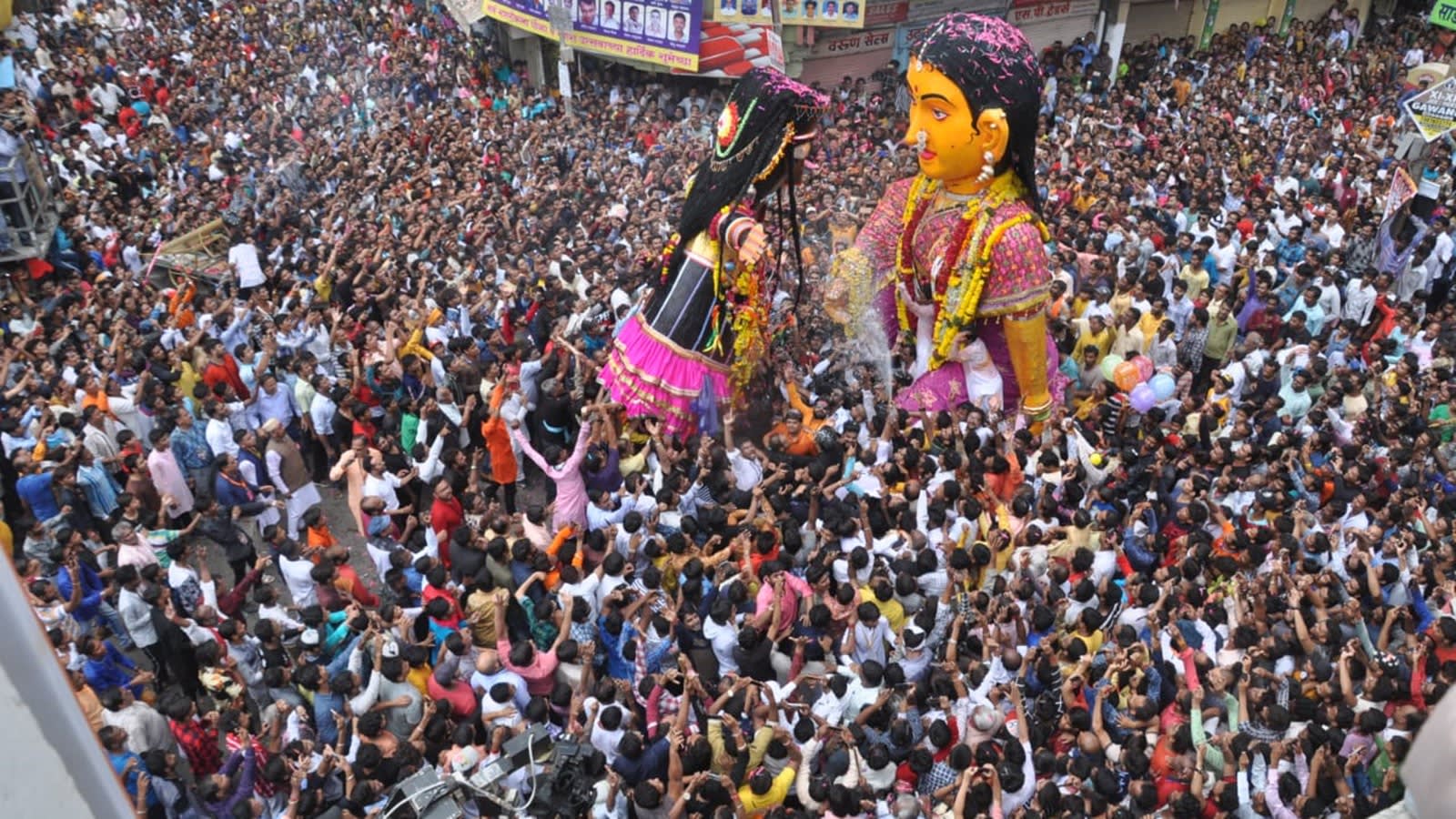
Nagpur’s 145-year-old Marbat festival, a traditional ritual of burning effigies to cast away evil, has received a major civic upgrade. The Nagpur Municipal Corporation invested Rs 2 crore to elevate the event, attracting notable celebrities, politicians, and foreign dignitaries.
The Evolution of the Marbat Procession
For 145 years, the city of Nagpur has observed the unique cultural tradition of Marbat, a ritual performed on Tanha Pola. This distinctive practice involves the construction and parading of effigies representing 'evil' through the streets of the old city, culminating in their ceremonial burning. Rooted deeply in local folk belief, the festival has navigated various historical shifts, transitioning from the era of the Bhonsle dynasty and British colonial administration into the modern democratic framework of contemporary India.
A Civic Makeover: Institutionalizing Tradition
This year, the Marbat festival underwent a significant transformation, moving from a localized community ritual to a government-backed cultural event. The Nagpur Municipal Corporation (NMC) injected a substantial Rs 2 crore into the festival’s organization. This initiative marks a strategic shift in how municipal bodies preserve intangible heritage, effectively rebranding a folk tradition as a premier cultural asset intended to attract both national and international interest.
High-Profile Endorsements and Modernization
The scale of this year’s event was highlighted by an influx of high-profile attendees, signaling the state's intent to elevate the festival's profile. The presence of Chief Minister Devendra Fadnavis, alongside renowned figures such as cricketer Umesh Yadav, actor Jackie Shroff, and filmmaker Subhash Ghai, underscored the event's growing significance. Furthermore, the inclusion of foreign consular representatives suggests a deliberate effort to position Nagpur as a destination for cultural tourism on a global map.
Historical Resilience and Competing Narratives
Despite its current state-sanctioned grandeur, the Marbat festival remains a complex tapestry of history. It is characterized by competing origin stories that reflect the diverse layers of Nagpur’s social fabric. This ambiguity regarding its exact historical genesis does not detract from its endurance; rather, it highlights the festival's role as a living history that adapts to the needs of the community while maintaining its core symbolic purpose of cleansing the city of malevolent forces.
Future Trends in Cultural Heritage Management
The transition of the Marbat festival into a globally marketed event reflects a broader trend in Indian urban management, where municipal corporations are increasingly leveraging local heritage to drive civic pride and economic growth. By formalizing support for such traditions, cities like Nagpur are not only preserving identity but are also creating sustainable frameworks for cultural tourism. The success of this 'civic makeover' may serve as a blueprint for other cities seeking to integrate traditional folk rituals into modern, large-scale public programming.