'Support never came': How Houthis caught Saudi forces off guard in 'lightning' strike
Source Entity
VIVEK DUBEY
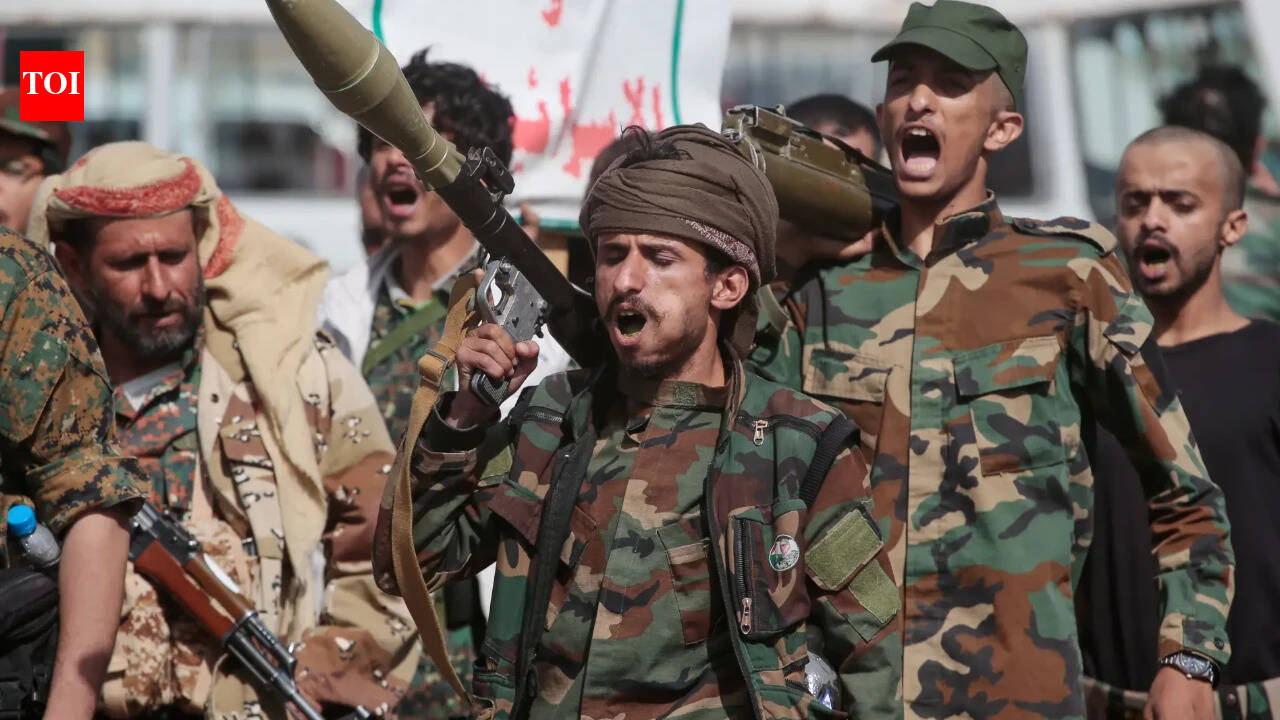
The Yemeni Army has reported capturing significant territory from Houthi forces amid a surge in regional instability. This development coincides with increased Houthi attacks on Saudi oil facilities, highlighting a broader proxy conflict involving Iran and its regional allies.
Shifting Frontlines in the Yemeni Conflict
The ongoing civil war in Yemen has reached a new juncture of volatility as the Yemeni Army reports the capture of "vast areas" from Houthi insurgents. This development, supported by visual documentation from the Yemeni Armed Forces Media Centre, suggests a tactical shift in a conflict that has persisted for over a decade. The control of territory in Yemen is rarely permanent, yet these reported gains indicate a concerted effort by government-aligned forces to regain momentum against a movement that has long held significant swaths of the north.
The Strategic Significance of Red Sea Ports
The conflict is deeply intertwined with the control of critical maritime chokepoints. Reports regarding the Houthi seizure of the port of Mokha underscore the group’s ambition to dominate the Bab al-Mandab Strait. This waterway is one of the world's most vital shipping routes, and any Houthi presence here serves as a potent tool for geopolitical leverage. By threatening this maritime artery, the Houthis aim to exert pressure on international trade and the security interests of the Saudi-led coalition.
Proxy Dynamics and Regional Escalation
The war in Yemen is far from a localized struggle; it has become a central theater for a wider regional power competition. Intelligence reports suggest that Iran is increasingly utilizing the Houthis—along with allied militias in Iraq—to conduct operations against Saudi Arabia. The coordination of drone and missile attacks on Saudi oil facilities, sometimes facilitated through operations rooms shared with Iraqi militias, illustrates a sophisticated, multi-front approach to destabilizing regional rivals.
The Human Cost of Escalating Hostilities
Behind the military maneuvers and geopolitical chess games lies a devastating humanitarian crisis. The cycle of retaliation—ranging from Houthi missile strikes that injure civilians and disrupt energy infrastructure to Saudi-led coalition air strikes on civilian targets like prisons in Jawf province—has left the population in a state of perpetual insecurity. The collapse of the informal ceasefire that had held for four years has further exacerbated these conditions, leading to a surge in violence that shows little sign of abating.
Future Trends and Geopolitical Outlook
Looking ahead, the battlefield dynamics in Yemen suggest a period of prolonged instability. If the Yemeni Army’s recent gains are solidified, it may force the Houthis to recalibrate their strategy, potentially leading to increased reliance on external support or more desperate, high-profile attacks on regional infrastructure. Conversely, the continued involvement of international actors and the persistent threat to global energy supplies via the Red Sea ensure that Yemen remains a high-priority concern for global security stakeholders.
Conclusion
In summary, the recent territorial claims by the Yemeni Army are a symptom of a much larger, entrenched conflict that shows signs of intensification. The convergence of local military operations, the strategic importance of Red Sea ports, and the influence of regional proxy dynamics makes the situation in Yemen an unpredictable and dangerous variable in Middle Eastern stability. The world must watch these shifting frontlines closely as they hold the potential to disrupt both regional peace and global maritime security.
Multiple Citing Sources