Abdullahs navigate rebellion as Farooq backs MLAs, Omar offers to resign
Source Entity
NASEER GANAI
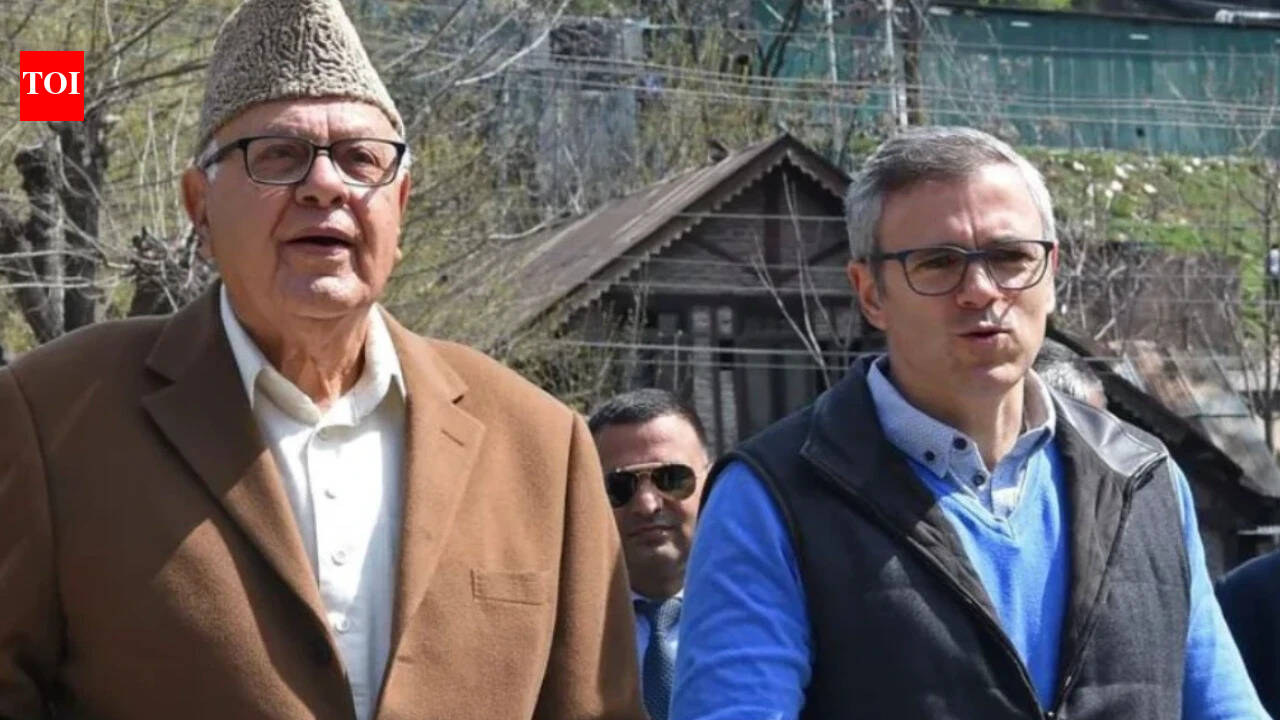
National Conference leadership held talks with 15 disgruntled MLAs following cabinet expansion tensions in Jammu and Kashmir. Party president Farooq Abdullah dismissed fears of a split, emphasizing the unity and resilience of the National Conference.
Internal Tensions Within the National Conference
The political landscape in Jammu and Kashmir has faced a period of internal realignment following a recent expansion of the council of ministers. On November 6, 2026, a group of 15 National Conference (NC) legislators gathered at the Gupkar residence of Chief Minister Omar Abdullah and party president Farooq Abdullah to discuss grievances regarding cabinet appointments. This meeting highlights the delicate balancing act required of the NC leadership as they manage expectations within a party that has long been a cornerstone of regional politics.
The Catalyst: Cabinet Expansion Dynamics
The core of the current friction stems from the cabinet expansion that occurred on October 27, 2026. The induction of four new ministers brought the total council of ministers to its statutory limit of nine, effectively closing the door for other aspirants. Among those reportedly dissatisfied is senior leader and six-time MLA Mubarak Gul. The frustration expressed by these veteran lawmakers underscores the difficulty of distributing limited executive positions among a deep bench of experienced party members, a common challenge in coalition-style governance.
Defining the 'Dissident' Narrative
Despite the labels of 'dissidence' surfacing in public discourse, the involved lawmakers have been quick to clarify their stance. They insist they are not acting as rebels seeking to fragment the party, but rather as concerned stakeholders aiming to strengthen the National Conference from within. By framing their grievances as a constructive effort to improve party function, the MLAs are attempting to navigate the thin line between internal accountability and political insubordination.
Leadership Response and Party Unity
Farooq Abdullah’s response to the meeting was swift and characteristically firm. Following the discussions at his residence, he publicly declared that the National Conference has never been broken and will remain intact. This statement serves as a strategic maneuver to project stability to both the public and political opponents, reinforcing the idea that internal differences are a natural part of a vibrant party structure rather than a precursor to a collapse.
Future Implications for J&K Governance
The ability of the Abdullahs to pacify these 15 legislators will be critical for the stability of the current administration. With the council of ministers now at its maximum capacity, the leadership must find alternative ways to address the concerns of senior leaders who feel sidelined. Moving forward, the party’s success will depend on its capacity to integrate these voices into the policymaking process, ensuring that the government remains focused on its legislative agenda rather than internal management, thereby maintaining the trust of the electorate in the region.
Multiple Citing Sources