Setback to comeback: How Ludhiana’s Aryan Gupta clinched NEET-UG AIR1
Source Entity
Latest News: Today's Latest News Headlines from India & World | Hindustan Times | Hindustan Times
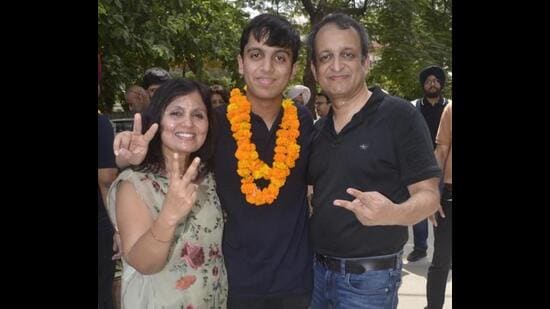
Ludhiana's Aryan Gupta and Haryana's Panshul Bansal have secured the top ranks in the NEET-UG 2026 examination, scoring 715 out of 720 marks. The achievement follows a challenging re-test cycle necessitated by the cancellation of the initial May 3 exam due to paper leak allegations. Both toppers attributed their success to consistency, strong mentorship, and effective stress-management techniques.
A Resilient Path to Academic Excellence
The declaration of the NEET-UG 2026 results has spotlighted the extraordinary resilience of students like Aryan Gupta from Ludhiana and Panshul Bansal from Haryana. Both students achieved a stellar score of 715 out of 720, emerging as the national toppers in an examination cycle defined by unprecedented disruption. The path to this success was far from linear, as the initial examination held on May 3 was cancelled following widespread allegations of a paper leak, forcing candidates to pivot back into intense preparation mode for the June 21 re-test.
The Psychological Toll of the Re-test
For many students, the announcement that the original exam was cancelled came as a significant psychological blow. Aryan Gupta, who had already secured a commendable 696 marks in the first attempt, admitted that the prospect of reopening his books after years of continuous study was mentally taxing. He openly shared his struggle with periods of depression during the preparation phase, highlighting the immense pressure inherent in the Indian competitive examination system. This underscores the necessity for emotional support structures, as even high-performing students face severe burnout when faced with systemic uncertainties.
Balancing Rigor with Well-being
What sets this year's toppers apart is their holistic approach to managing intense academic pressure. Aryan Gupta leaned into personal hobbies—watching Japanese anime, listening to music, and playing table tennis—to reset during his study breaks. This integration of leisure served as a crucial coping mechanism, preventing the stagnation that often accompanies marathon study sessions. Meanwhile, Panshul Bansal emphasized the importance of a supportive institutional environment, noting that his school in New Delhi played a vital role in balancing academic rigor with student well-being.
The Role of Mentorship and Strategy
Both toppers highlighted the critical role of guidance in their journey. For Aryan, the influence of his elder brother, Aditya—who himself secured AIR 54 in the previous year's NEET—provided a roadmap of mentorship and lived experience. Panshul Bansal, on the other hand, credited his success to a disciplined adherence to NCERT curriculum revision and consistent performance in mock tests. The reliance on expert teacher guidance remained a common thread, proving that even in a competitive, self-study-heavy environment, structured mentorship is an indispensable asset.
Broader Implications for Competitive Exams
The NEET-UG 2026 results serve as a case study in how students adapt to systemic volatility. The fact that many candidates, including AIR 46 holder Aryaman Solanki, found the re-test beneficial suggests that while the cancellation was initially a setback, it provided a second chance for high-achieving students to refine their knowledge. However, the reliance on such high-stakes testing highlights the ongoing debate regarding the stress placed on India's youth and the need for robust, leak-proof examination protocols to ensure that the meritocratic process remains fair and predictable.
Conclusion: A Testament to Tenacity
The journey of Aryan Gupta and Panshul Bansal is a testament to the power of perseverance. By navigating the dual challenges of intense academic competition and the unpredictability of a cancelled examination, these students have demonstrated that success in the modern Indian educational landscape requires not just intellectual capability, but also profound emotional intelligence and the ability to adapt to unforeseen adversity. Their stories will likely serve as inspiration for future aspirants navigating the complex and often grueling path toward medical education in India.
Multiple Citing Sources
Verification Required?