NEET violence: Supreme Court debates yet to detail if Delhi Police kept Home Ministry in the loop
Source Entity
India Latest News: Top National Headlines Today & Breaking News | The Hindu
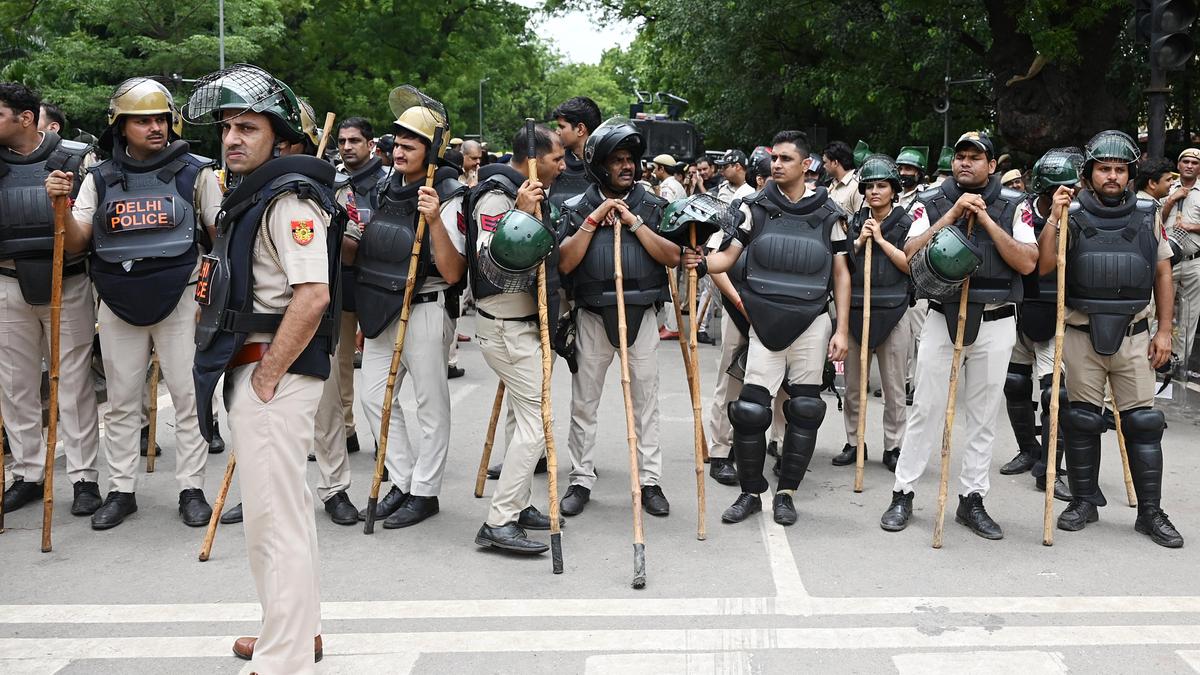
The CBI has filed a charge sheet against 13 individuals regarding the NEET-UG paper leak. Meanwhile, legal proceedings highlight ongoing concerns over protest management and the role of state government intervention in related cases.
The NEET-UG Crisis: Accountability and Legal Complexities
The Scope of the Investigation
The National Eligibility-cum-Entrance Test (NEET-UG), a gateway for over 22.7 lakh aspirants, faced an unprecedented integrity crisis this year. Following reports of a paper leak, the National Testing Agency (NTA) was forced to cancel the May 3 examination on May 12. The subsequent retest on June 21 and the eventual declaration of results on July 16 marked the conclusion of a turbulent period for medical education candidates. The Central Bureau of Investigation (CBI) has now formalized its findings, filing a charge sheet against 13 individuals involved in the systemic compromise of the examination process.
Allegations of Institutional Breach
The CBI investigation has pinpointed a disturbing sequence of events involving high-level access. The charge sheet alleges that P.V. Kulkarni, a panel member and translator for the NTA, was responsible for the initial leak of the questions. The investigation further details how these questions were funneled through Shivraj Motegaonkar, an operator of a coaching institute in Latur, and accessed on the premises of the Siddhivinayak Hospital, managed by accused Manoj Bhagwanrao Shirure. This nexus highlights the vulnerability of the exam infrastructure when internal personnel are compromised.
Judicial Oversight and Police Accountability
Beyond the paper leak, the aftermath of the examination triggered widespread protests, notably in the national capital on July 20. The Supreme Court is currently examining the conduct of the Delhi Police during these demonstrations. Historically, the judiciary has been vigilant regarding the balance between law enforcement and political autonomy. Citing the 2012 Ramlila Maidan Incident judgment, the Court has noted the established practice of the Delhi Police keeping the Ministry of Home Affairs (MHA) informed on matters of public order. However, current deliberations have yet to clarify the level of consultation between the police and the MHA during the July protests.
State-Level Legal Disparities
The legal fallout is further complicated by varying responses at the state level. In Assam, the government has reviewed registered cases related to the NEET protests, resulting in the decision to drop five specific cases. This move has created a ripple effect in the legal landscape, with accused individuals in other jurisdictions now citing this precedent in attempts to secure bail. This discrepancy underscores a fragmented approach to managing civil unrest related to the NEET controversy across different regions of India.
Broader Implications and Future Trends
The intersection of systemic examination failure and the subsequent public outcry poses a significant challenge to the credibility of national testing bodies. The ongoing legal scrutiny at the Supreme Court level regarding police accountability, combined with the CBI's aggressive pursuit of the 13 accused, suggests a shift toward more stringent oversight. As the judiciary continues to weigh the necessity of institutional transparency, the future of competitive examinations in India will likely depend on the implementation of more robust, tamper-proof protocols to prevent such large-scale breaches in the future.
Multiple Citing Sources
Verification Required?