‘Have you predetermined the need for a bond?’ Delhi High Court on Neha Bora’s plea
Source Entity
Sohini Ghosh
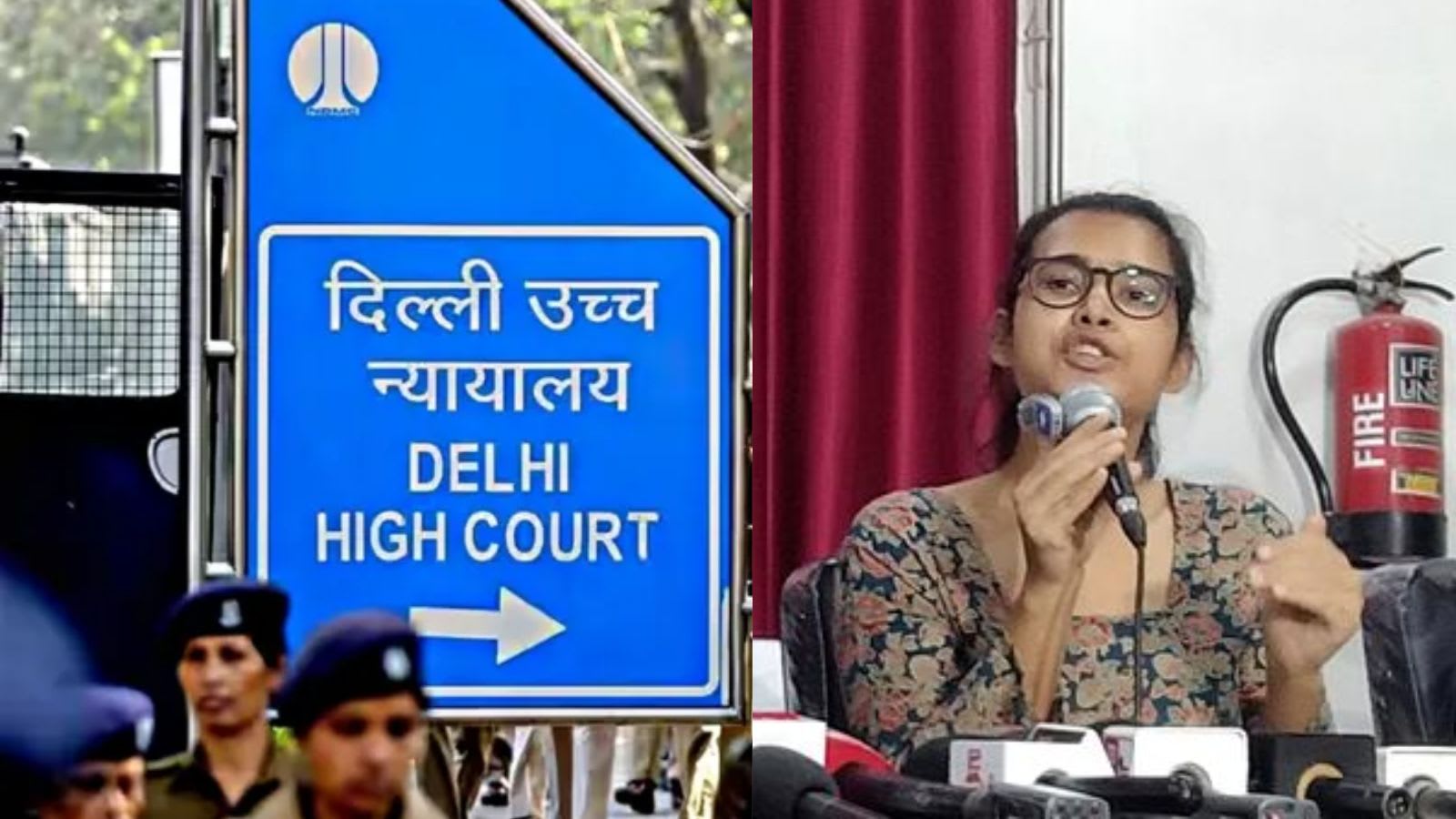
AISA President Neha Bora has challenged a Delhi Police notice demanding a peace bond after she hoisted the national flag without permission. The Delhi High Court is currently reviewing the matter, with the petitioner arguing that no such authorization is required for displaying the flag.
Legal Challenge Over Flag Hoisting: An Analysis of the Neha Bora Case
The Core Dispute
On October 22, 2026, the Delhi High Court heard a significant petition filed by All India Students’ Association (AISA) President Neha Bora. The case centers on a show-cause notice issued by the Delhi Police, which compelled Ms. Bora to execute a "peace bond" before a Special Executive Magistrate. The police action was predicated on the claim that Ms. Bora hoisted the national flag without obtaining prior official permission. This legal friction has brought the intersection of civic expression and police oversight into sharp focus.
Constitutional Perspectives on National Symbols
Representing the petitioner, senior advocate Gopal Sankaranarayanan vehemently argued that the fundamental right to hoist the national flag does not necessitate state permission. The defense characterized the police notice as a "cut-paste" administrative action, suggesting a lack of legal application. By asserting that citizens do not require authorization to display the national flag, the petitioner is effectively challenging the procedural overreach of local law enforcement in the context of patriotic expression.
The State’s Position and Procedural Objections
Conversely, the Delhi Police, represented by Additional Solicitor General (ASG) Chetan Sharma, raised technical objections regarding the maintainability of the petition. The state’s insistence on the peace bond serves as a preventive measure under the law to ensure public order. The tension between the state's mandate to maintain peace and the individual’s right to engage in symbolic national displays remains the central legal pivot of this litigation.
Judicial Intervention and the Question of "Peace Bonds"
Justice Subramonium Prasad took an active role in the proceedings, questioning whether the state had "predetermined the need for a bond" before issuing the notice. The court’s inquiry into the mechanical nature of the police notice highlights a broader judicial concern regarding the arbitrary use of preventive detention or security bonds against student activists. The court’s suggestion for the state to "hold its horses" indicates a cautious approach to balancing state security interests with individual civil liberties.
Broader Implications for Civil Liberties
This case carries significant implications for student politics and the limits of executive power in India. If the court upholds the petitioner’s view, it may set a clear precedent that the act of hoisting the national flag—a symbol of national pride—cannot be weaponized by local authorities to restrict or monitor political activists through peace bonds. Conversely, the state’s reliance on security bonds to maintain order reflects an ongoing debate on the threshold of "breach of peace" in the context of protest and public demonstration.
Future Trends in Judicial Oversight
The Delhi High Court’s decision to reserve the verdict for Friday marks a critical juncture. The outcome will likely clarify the extent to which the police can utilize administrative procedures to curb the activities of student leaders. As the judiciary continues to weigh the necessity of the peace bond, the case serves as a reminder of the delicate balance between maintaining public order and protecting the right to express national identity without fear of state-imposed bureaucratic hurdles.