How Nehru helped shape India’s scientific establishment
Source Entity
Nikita Mohta
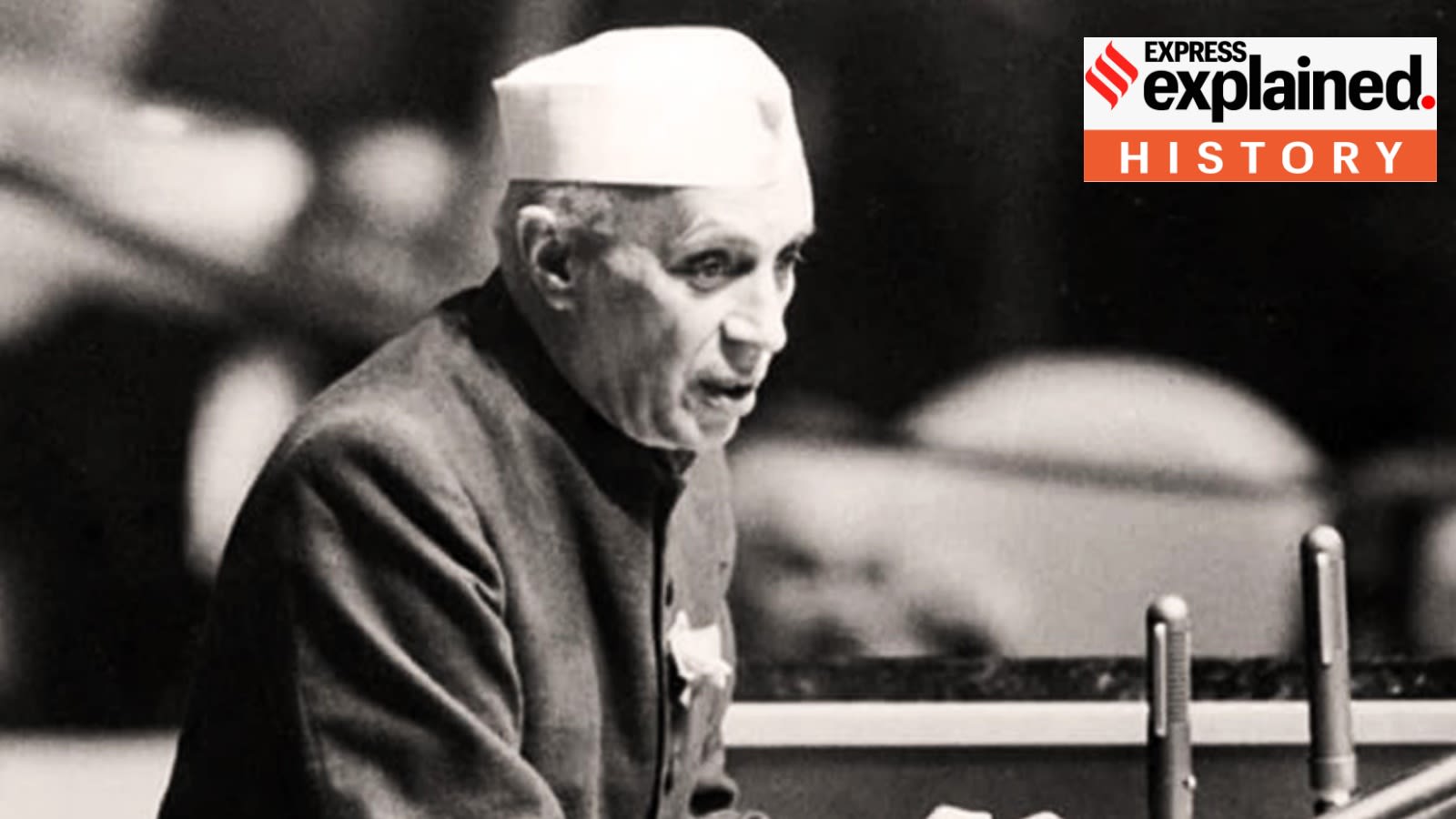
Jawaharlal Nehru's background in natural sciences at Cambridge deeply influenced his governance and vision for modern India. He championed the 'scientific temper' as a vital tool for national progress and economic development.
The Scientific Foundation of Jawaharlal Nehru’s Vision
Jawaharlal Nehru, India’s first Prime Minister, is often remembered for his political leadership, yet his foundational approach to nation-building was rooted in the rigors of the natural sciences. Before his ascent to the political stage, Nehru pursued academic excellence at Trinity College, Cambridge, where he completed the Natural Science Tripos. Studying geology, chemistry, and botany, he developed an analytical framework that would eventually define his governance style. This academic background ensured that science was not merely an extracurricular interest for Nehru, but a core component of his intellectual identity.
Science as the Texture of Life
Nehru’s transition from a student of science to a statesman was marked by a profound realization: science was not an isolated discipline but the very 'texture of life.' He famously articulated that his political journey led him through the complexities of economics, which in turn inevitably pointed toward the necessity of the scientific approach. By viewing national problems through a scientific lens, Nehru sought to move India away from stagnation and toward a future defined by rational inquiry and technological advancement.
The Institutionalization of Scientific Temper
Recognizing that a newly independent nation required more than just political freedom, Nehru championed the concept of the 'scientific temper.' This philosophy encouraged citizens to embrace critical thinking, evidence-based decision-making, and a rejection of superstition. By prioritizing the establishment of scientific institutions, he aimed to build an ecosystem where research could flourish. He believed that the scientific approach was essential not just for industrial success, but for the moral and social evolution of the Indian populace.
Integrating Science into Economic Policy
Nehru’s foresight linked scientific progress directly to economic prosperity. He understood that without a robust scientific infrastructure, India would remain tethered to colonial-era economic limitations. By integrating scientific development into his economic policies, he sought to address the myriad challenges of a post-colonial society, such as agricultural productivity and industrial manufacturing. His belief that science could solve the 'problems of life' transformed the national agenda into one focused on modernization and technological self-reliance.
A Legacy of Progress and Future Trends
Looking forward, the legacy of Nehru’s scientific vision continues to influence India's trajectory in the global arena. The institutions he fostered provided the bedrock for India’s current advancements in space exploration, information technology, and biotechnology. By embedding the scientific method into the national consciousness, he ensured that India’s growth would be predicated on continuous innovation. His enduring impact serves as a reminder that the path to national greatness is paved by the commitment to objective, scientific progress.