CoreWeave and other neocloud stocks drop after Microsoft capex comes in below expectations
Source Entity
US Top News and Analysis
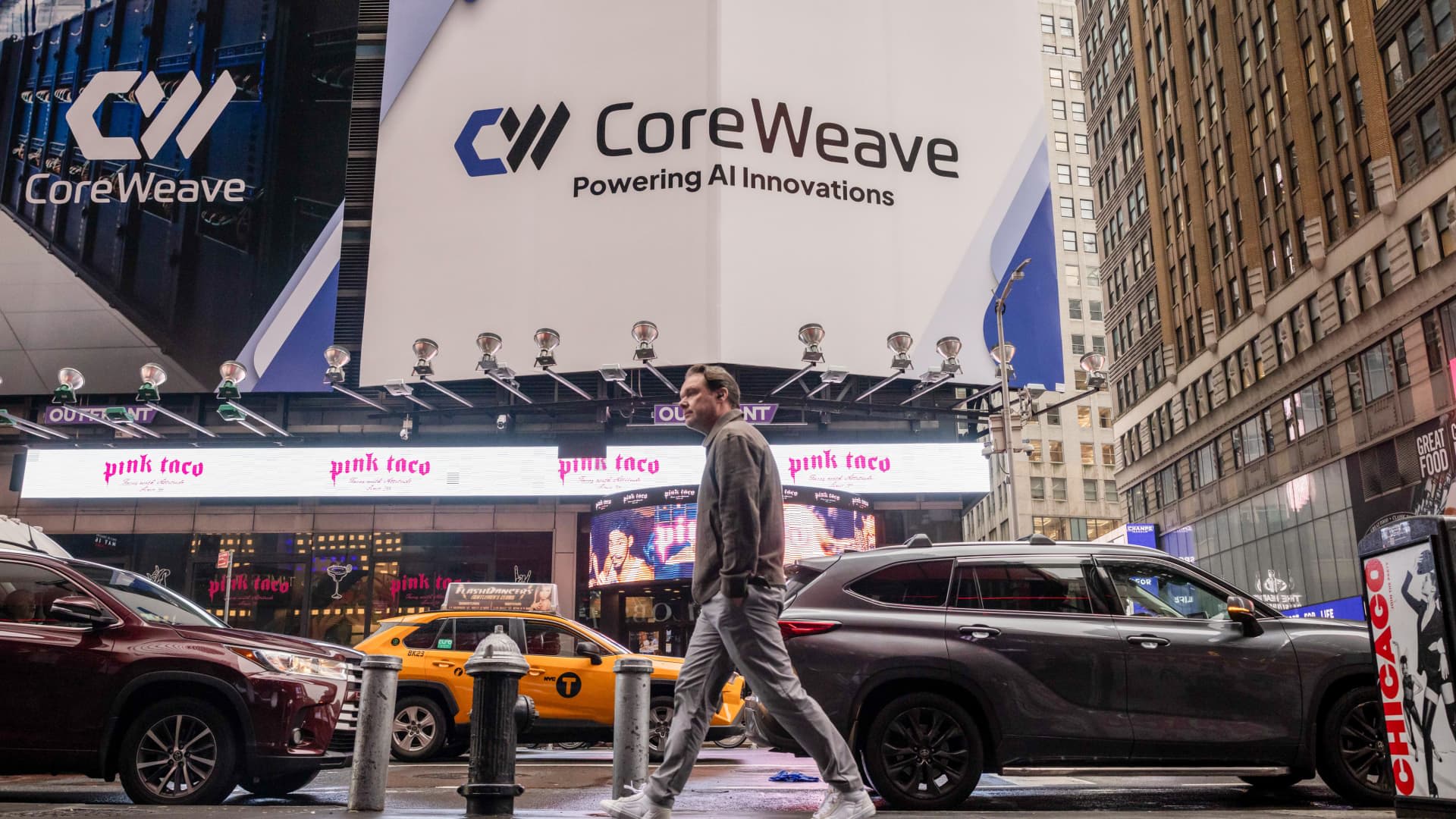
Shares of neocloud providers like CoreWeave and Nebius fell after Microsoft and Alphabet reported lower-than-expected capital expenditures. This shift signals potential delays in the delivery of critical AI infrastructure capacity.
The Cooling of the AI Infrastructure Gold Rush
The recent financial disclosures from tech giants Microsoft and Alphabet have sent shockwaves through the market, specifically targeting the valuation of 'neocloud' providers such as CoreWeave, Nebius, and IREN. For several quarters, the narrative surrounding the artificial intelligence sector was defined by an insatiable, ever-increasing appetite for capital expenditure (capex) to build out the necessary data center infrastructure. However, the latest earnings reports suggest a momentary pivot, as both Microsoft and Alphabet reported capex figures that fell short of Wall Street's aggressive estimates.
The Impact of Missed Expectations
Microsoft reported $45.2 billion in capex and finance leases for the quarter, a significant 30% increase year-over-year, yet still notably below the $50.7 billion analyst consensus. This shortfall is not merely a bookkeeping detail; it serves as a leading indicator that infrastructure partners—the neoclouds that provide the raw compute power—are facing logistical or operational delays in delivering the promised data center capacity. Consequently, investors reacted swiftly, driving down the share prices of these smaller infrastructure players who have built their growth projections on the assumption of uninterrupted, massive-scale demand.
Strategic Shifts and Operational Realities
Beyond the raw numbers, the guidance adjustments tell a complex story. Microsoft has lowered its annual capex forecast from $175 billion to $170 billion, while Alphabet has maintained a conservative stance, holding its guidance between $195 billion and $205 billion. These moves suggest that while the 'AI build-out' is far from over, the pace of deployment is encountering friction. For firms like Nebius, which recently secured a landmark $20 billion deal with Microsoft extending into the 2030s, these delays represent a potential bottleneck in revenue realization.
Historical Context of Hyperscaler Spending
Historically, the tech sector has seen cycles of massive infrastructure build-outs followed by periods of consolidation and efficiency optimization. The current environment is unique because the demand for generative AI is unprecedented in its intensity. Hyperscalers like Microsoft and Google are essentially in a 'compute arms race,' but they are currently constrained by the physical reality of building, powering, and cooling massive data centers. When these giants pull back on immediate spending, it often reflects a realization that the supply chain—ranging from GPU availability to power grid capacity—cannot keep pace with their initial, highly optimistic projections.
Future Trends and Market Outlook
The immediate drop in neocloud stock prices reflects market anxiety regarding the dependency these smaller firms have on the capital flows of a few dominant hyperscalers. If Microsoft and Alphabet continue to moderate their spending, the neocloud sector may face a period of volatility as they adjust their own infrastructure delivery timelines. Investors should watch for whether this trend represents a permanent cooling of the AI sector or simply a necessary 'reset' as the industry moves from the initial hype phase to a more sustainable, long-term deployment of AI hardware. The long-term trajectory remains growth-oriented, but the path forward will likely be defined by more disciplined, phased investment rather than the unchecked spending seen in the previous year.