Nepal floods: They stopped hoping he was alive. Then they found a hand
Source Entity
The Indian Express
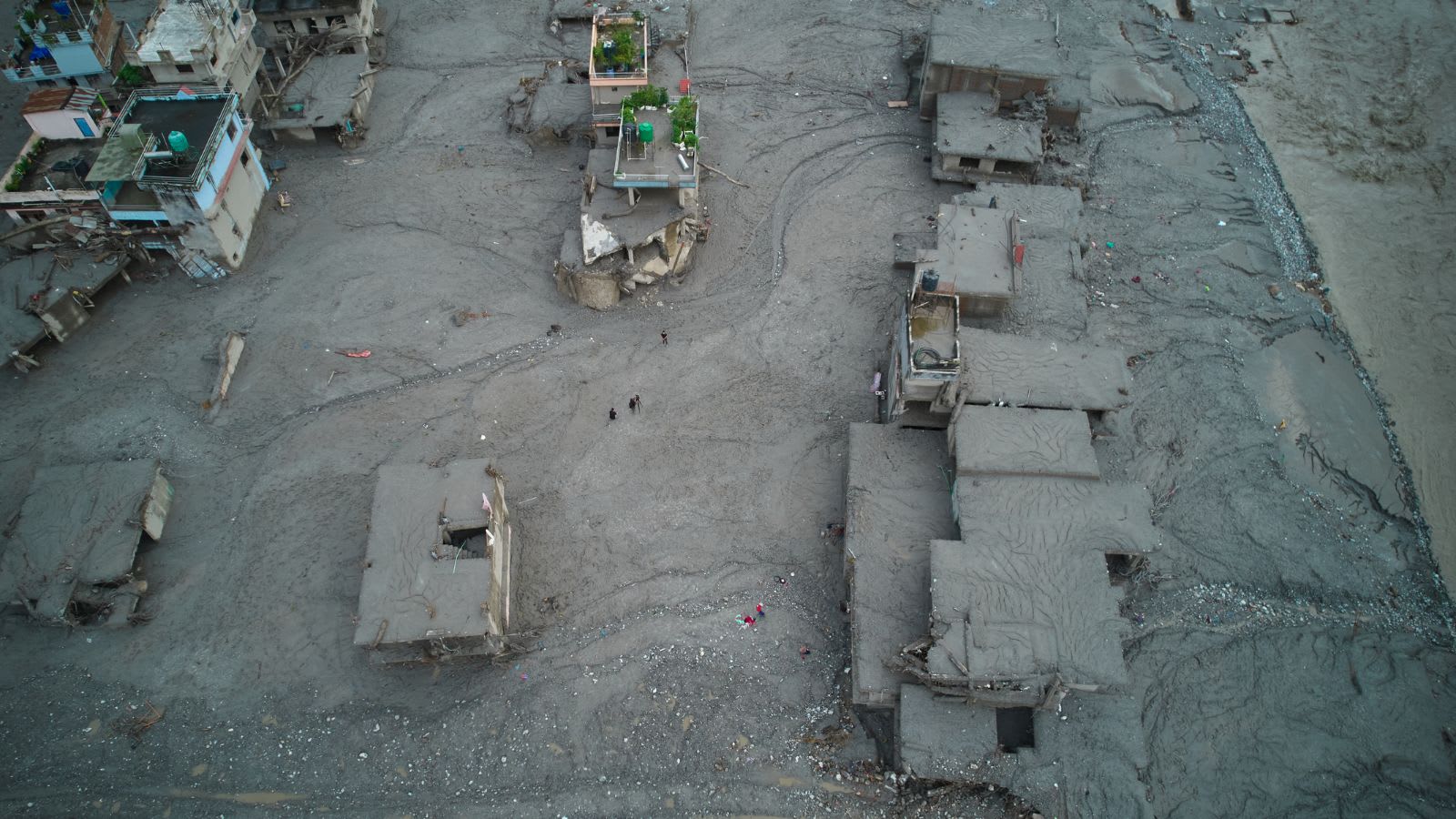
Nepal is currently reeling from the devastating Bhotekoshi floods, which have claimed over 1,100 lives and left thousands missing. Search operations remain difficult as debris covers the region and families struggle with the grim reality of recovery.
The Catastrophic Impact of Nepal's Bhotekoshi Floods
The recent flooding event in Nepal, specifically centered around the Bhotekoshi River, has emerged as one of the most severe natural disasters in the nation’s recent history. The scale of the destruction is vividly captured by drone footage showing residential structures in the Nuwakot district submerged in thick sludge, mud, and heavy debris. This imagery serves as a harrowing testament to the sheer force of the flash floods that have decimated communities and left the landscape unrecognizable.
A Humanitarian Crisis Unfolds
As of September 2, the official death toll has climbed to 1,114, according to the National Disaster Risk Reduction and Management Authority. However, the true human cost is likely much higher, as nearly 3,916 individuals remain listed as missing. The search and rescue operations, now entering their second week, are hampered by the physical state of the riverbanks and the vast amount of debris deposited by the receding waters. The recovery process is not merely a logistical challenge but a profound psychological ordeal for the survivors searching for their loved ones.
The Personal Toll of Disaster
Individual stories, such as that of Amrit Diyali, highlight the agonizing uncertainty faced by affected families. Diyali’s search for his brother, Raj Kumar—who disappeared alongside his wife and four-year-old son during the August 26 deluge—illustrates the grim nature of the identification process. Finding remnants of victims washed downstream has become a tragic reality for those scouring the banks of the swollen Trishuli and Bhotekoshi rivers, emphasizing the total loss of life and the difficulty of closure in such a massive disaster.
Challenges in Disaster Management
Nepal’s geography makes it particularly susceptible to flash floods, especially during the monsoon season when terrain instability leads to landslides and rapid river surges. The sheer volume of mud and debris mentioned in reports indicates that the floodwaters carried significant sediment, which complicates the recovery of bodies and the restoration of infrastructure. The National Disaster Risk Reduction and Management Authority faces an unprecedented task in coordinating search efforts across such difficult, debris-strewn terrain.
Broader Implications and Future Outlook
This disaster underscores a growing vulnerability in Himalayan nations to extreme weather events. As climate patterns shift and monsoon intensities fluctuate, the frequency of such catastrophic flooding events poses a long-term threat to population centers located along major river arteries. Moving forward, Nepal will likely need to re-evaluate its disaster preparedness, early warning systems, and urban planning to mitigate the impact of future floods. For now, the nation remains focused on the immediate, somber work of search and recovery as the death toll continues to rise.