Nepal flash floods: Yogi puts Kushinagar, Maharajganj dist admns on alert
Source Entity
Latest News: Todays Latest News Headlines from India & World | Hindustan Times | Hindustan Times
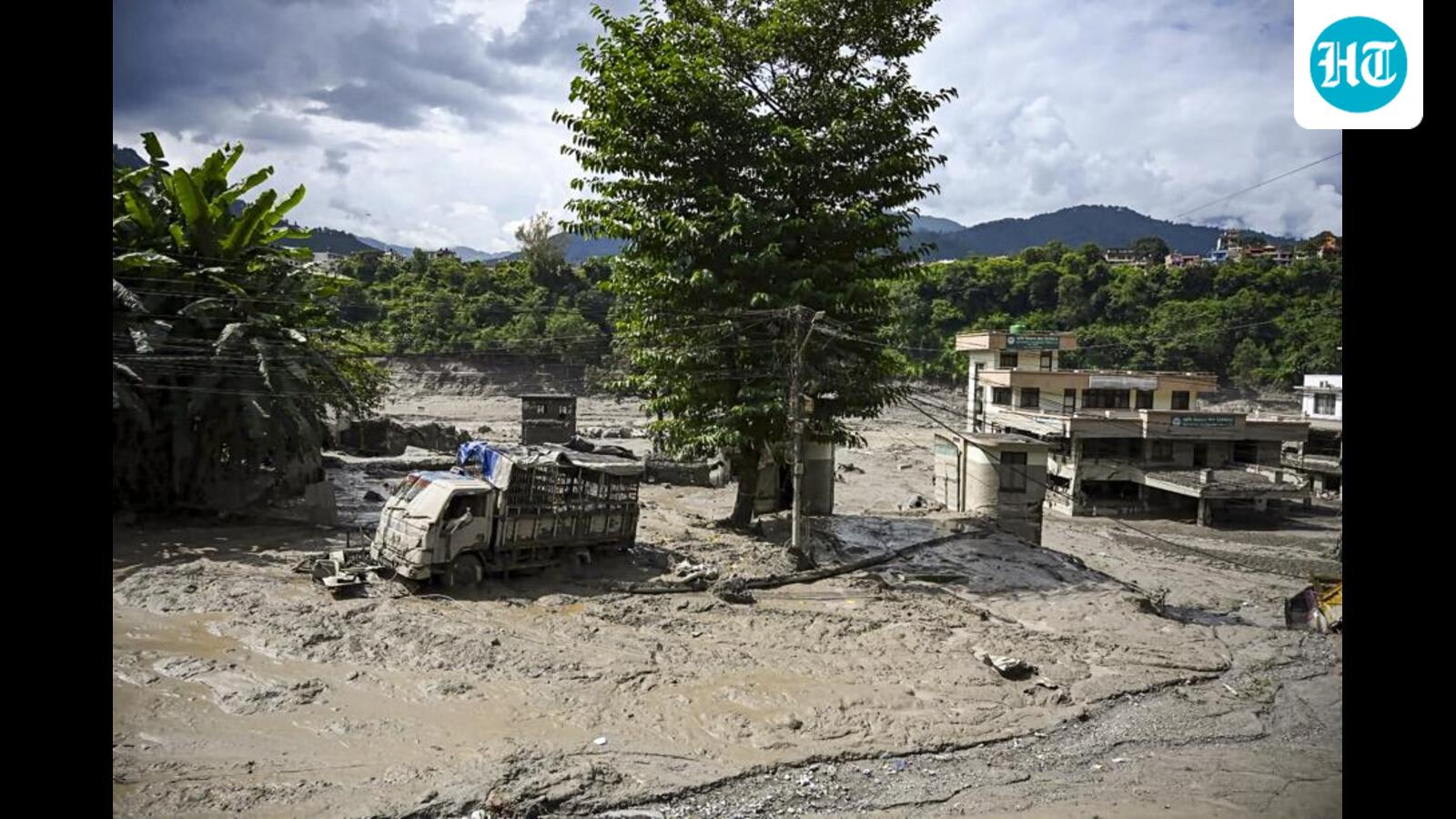
A devastating flash flood on the Nepal-Tibet border, potentially triggered by an ice-rock avalanche, has prompted high-alert warnings across India's border states. Separately, tensions have flared in Uttar Pradesh's Rae Bareli district following the defacement of a Dr. B.R. Ambedkar statue.
Environmental Catastrophe in the Himalayas
A catastrophic flash flood occurred on the Nepal-Tibet border this Wednesday, causing significant loss of life and leaving hundreds of tourists, including 105 Indian nationals, missing. Preliminary investigations spearheaded by the International Centre for Integrated Mountain Development (ICIMOD) suggest that the disaster may have been precipitated by a massive ice-rock avalanche from high-altitude terrain. This event sent a torrent of water, sediment, and boulders surging through the Bhote Koshi and Trishuli river systems, wreaking havoc in Nepal’s Rasuwa district and affecting downstream areas in Nuwakot.
Cross-Border Hydrological Implications
The impact of this disaster extends well beyond the immediate site of the avalanche. Because the Trishuli River eventually feeds into the Gandak River, authorities in the Indian states of Uttar Pradesh, Bihar, and Uttarakhand have been placed on high alert. The combination of the initial flash flood pulse and the potential release of water from barrage gates in Nepal poses a direct threat to low-lying regions. Officials are particularly concerned about rising water levels in the Ghaghara, Rapti, and Kosi rivers, which remain critical lifelines for millions in Northern India.
The Role of ICIMOD and Climate Vulnerability
ICIMOD, an intergovernmental institution tasked with protecting the fragile Hindu Kush Himalaya (HKH) region, is currently at the center of the investigative efforts. The potential for ice-rock avalanches underscores the increasing vulnerability of high-altitude ecosystems to geological instability. As climate patterns shift, these mountainous regions face heightened risks of glacial lake outbursts and slope failures, which necessitate more robust early-warning systems and international cooperation between Nepal, China, and India to manage transboundary water risks.
Tensions in Rae Bareli: A Separate Crisis
In an unrelated but sensitive development, the village of Baburiha in the Rae Bareli district of Uttar Pradesh has reported rising communal tension. On the night of August 25, 2026, unknown miscreants defaced a statue of Dr. B.R. Ambedkar by smearing it with mud and soot. The incident has drawn significant local condemnation, with residents expressing deep anger over the desecration of the monument.
Law Enforcement Response and Stability
The local administration in Rae Bareli acted promptly to contain the fallout from the statue vandalism. Officials, including the Additional Superintendent of Police and the Circle Officer of Unchahar, arrived on the scene to engage with the community. By providing assurances of a swift, transparent investigation and deploying police force as a precautionary measure, authorities have managed to keep the situation under control, preventing further escalation in the affected village.
Concluding Summary
While the Nepal flash flood presents an urgent humanitarian and environmental challenge requiring coordinated cross-border disaster management, the situation in Rae Bareli represents a localized socio-political challenge. Both events highlight the importance of proactive governance—whether through scientific monitoring of Himalayan geological hazards or the maintenance of social harmony through swift police intervention in sensitive community disputes.
Multiple Citing Sources
Verification Required?