US designates Palestine Action a terrorist group
Source Entity
BBC News
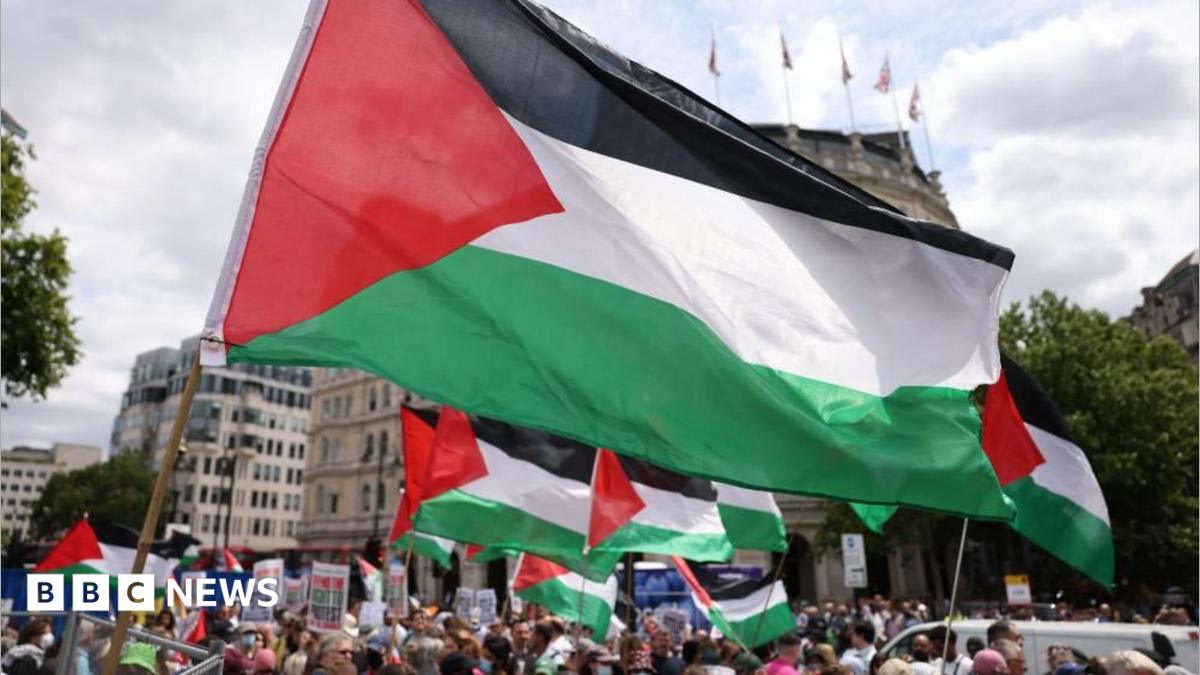
The US has designated the UK-based group Palestine Action as a terrorist organization, citing involvement in acts of terrorism since 2020. This follows the group's legal ban in the UK earlier in 2025, sparking significant debate over national security, free speech, and international dissent.
The US Designation of Palestine Action: A Geopolitical Shift
The United States government has officially designated the UK-based activist organization, Palestine Action, as a terrorist group. This move, executed through the Department of the Treasury, represents a significant escalation in the international response to the group’s militant protest tactics. The Treasury claims the organization has supported numerous acts of terrorism dating back to July 2020, marking a definitive shift in how the US views the group's operational methodology.
The Legislative Precedent in the UK
This US designation aligns with the legal climate established in the United Kingdom earlier in 2025. Following a period of intense public scrutiny and legal challenges, the UK government officially banned Palestine Action under its anti-terror legislation. The act of supporting the organization, which was previously known for direct-action tactics against companies linked to the defense industry, has since become a criminal offense. This alignment between Washington and London suggests a coordinated effort to curb groups that employ disruptive, non-traditional protest methods.
The Intersection of Security and Civil Liberties
Central to the controversy is the tension between national security imperatives and the protection of democratic expression. Co-founder Huda Ammori has framed the US designation as an act of hypocrisy, noting the irony of being labeled a terrorist by a nation that has historically intervened in her ancestral homelands of Palestine and Iraq. Ammori maintains that the group’s actions were fundamentally intended to save lives, positioning the governmental bans as an existential threat to free speech and the democratic right to dissent.
Implications for International Activism
By labeling the organization a terrorist entity, the US has effectively severed its access to the American financial system and signaled to international partners that the group is beyond the bounds of legitimate political protest. This classification sets a high bar for future protest movements, as it formalizes the distinction between civil disobedience—often protected under democratic norms—and actions that the state perceives as terroristic. The move serves as a warning to other activist organizations that utilize similar tactics of occupation or property damage, signaling that such methods will be met with the full force of anti-terror statutes.
A Challenging Future for Dissent
As the legal ramifications of the 2025 UK ban and the new US designation take hold, the future for Palestine Action appears increasingly constrained. The shift reflects a broader global trend where governments are expanding the scope of anti-terror legislation to encompass domestic political movements deemed disruptive to state interests. Whether these designations will lead to the total dissolution of the group or merely force it further underground remains a critical question for civil rights observers and international security experts alike.