Two months after Nepal floods, a family’s wait for closure
Source Entity
Vidheesha Kuntamalla
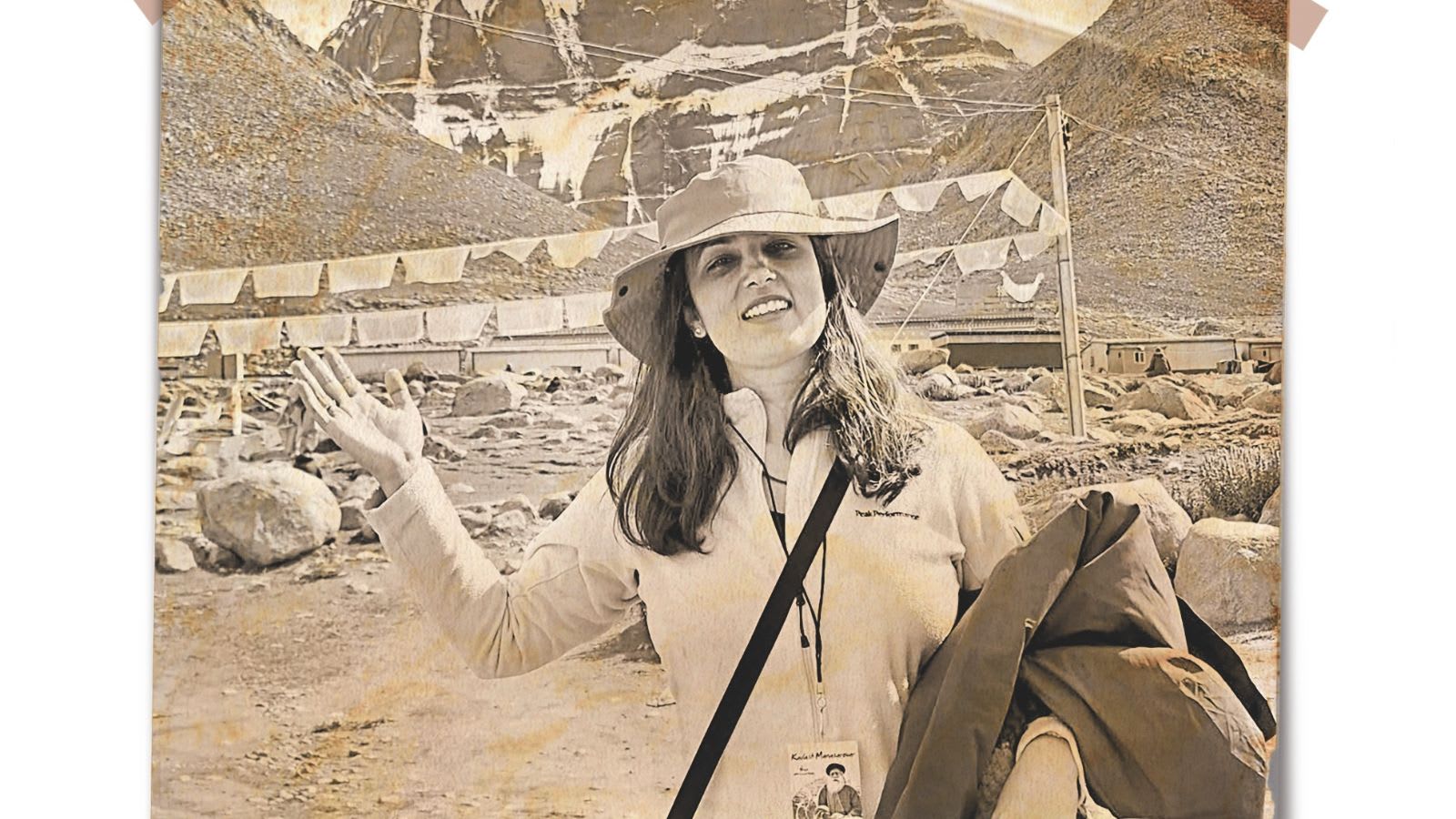
Two months after catastrophic Nepal floods claimed lives, families of the victims struggle with grief and a lack of closure. The tragedy highlights the severe risks faced by pilgrims navigating the volatile Himalayan terrain during extreme weather events.
The Lingering Shadow of the Nepal Floods
The catastrophic floods that struck Nepal on August 26 have left behind a trail of profound personal devastation, far beyond the immediate headlines. At the heart of this tragedy is the story of Priyanka Choudhary, a 40-year-old public health specialist whose life was cut short while returning from a pilgrimage to Kailash Mansarovar. For her mother, Madhu, the only remaining connection to her daughter is a brief, six-second video of Priyanka smiling against the backdrop of the Kailash mountain range. This digital artifact, now viewed on a loop, serves as a painful reminder of the suddenness with which natural disasters can shatter families.
The Vulnerability of Himalayan Pilgrimages
The incident involved a group of 77 pilgrims and three volunteers associated with the Isha Foundation. These individuals were traversing a region notorious for its volatile climate and rugged geography. When a massive wall of mud and water descended upon the area, it underscored the inherent dangers of high-altitude travel in the Himalayas. Despite the spiritual significance of the Kailash Mansarovar route, the infrastructure and environmental stability of the region remain precarious, leaving pilgrims susceptible to sudden, life-threatening weather events that modern forecasting often struggles to mitigate in real-time.
The Psychological Burden of Unresolved Loss
For the families left behind in places like Bilaspur, Chhattisgarh, the aftermath is defined by an agonizing search for closure. The inability to fully process the loss, compounded by the digital echoes of the victims captured in travel videos, creates a complex grieving process. Madhu’s attempt to 'zoom in' on her daughter’s face in a static video is a poignant illustration of the desperate human need for proximity to the deceased. This psychological state is common in disaster recovery, where the lack of physical remains or definitive answers prevents the traditional rites of mourning from providing solace.
Environmental Volatility and Infrastructure
The August 26 disaster serves as a stark marker of the increasing instability of Himalayan ecosystems. As climate change accelerates glacial melt and increases the intensity of monsoon rains, the risk of flash floods and landslides in Nepal has surged. The tragedy involving the Isha Foundation group is not an isolated event but rather part of a broader trend of environmental hazards affecting the region. It raises difficult questions regarding the safety protocols for mass tourism and religious travel in areas where geological conditions are rapidly shifting.
Looking Toward Future Safety Standards
As the international community reflects on the two-month mark since the tragedy, the focus must shift toward more robust disaster management and communication protocols for pilgrims. Ensuring the safety of those visiting remote, mountainous regions requires a combination of improved early-warning systems, stricter seasonal travel regulations, and enhanced coordination between regional authorities and private organizations. Without these systemic changes, the risk remains that future groups will face similar catastrophic outcomes, leaving more families to grapple with the same painful search for closure that currently defines the lives of the Choudhary family.