"Obligation Of Large Nations": Nepal Seeks Climate Justice After Floods
Source Entity
NDTV News Search Records Found 1000
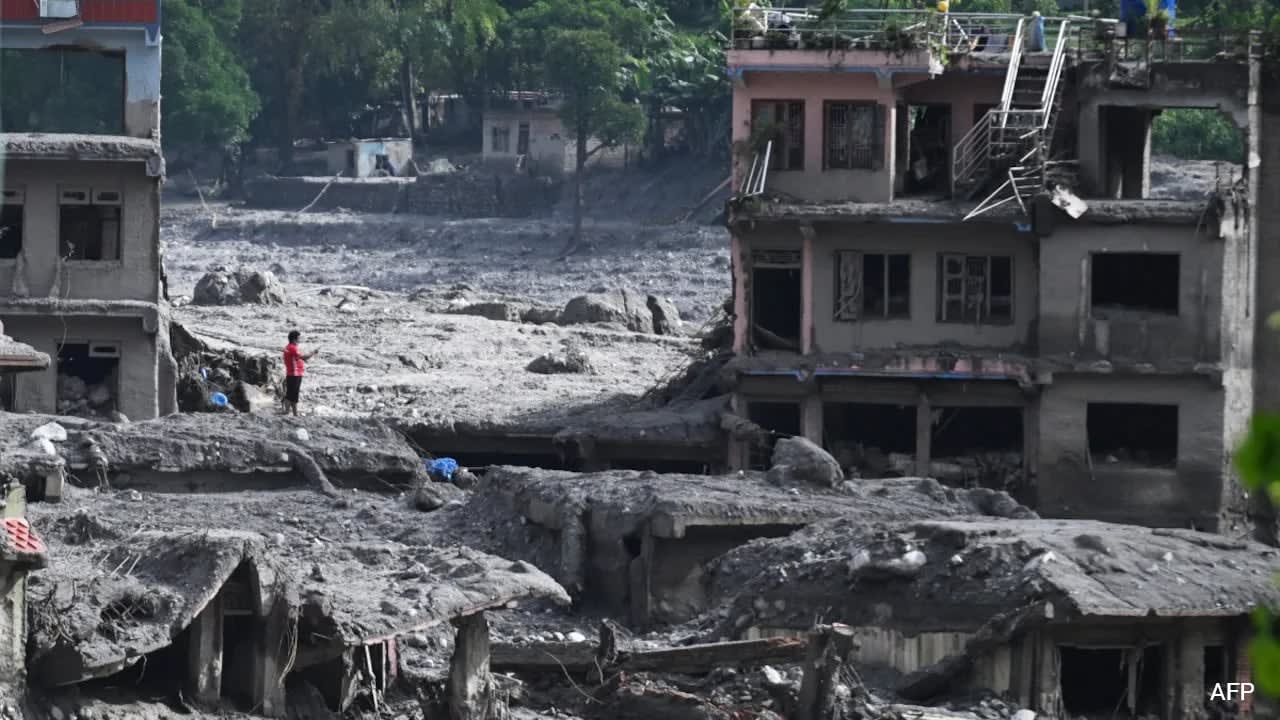
Nepal is seeking climate compensation from major nations following a devastating glacier collapse that killed over 1,100 people. Scientific reports indicate that the disaster showed visible pre-event warning signs, highlighting a critical need for better monitoring and transboundary cooperation.
The Himalayan Tragedy: A Failure of Early Warning Systems
The recent disaster at the Nepal-China border, which claimed over 1,100 lives, serves as a harrowing case study in the intersection of climate change and geological instability. According to the HiRISK scientific consortium, the catastrophic flash floods were preceded by observable 'pre-event indications,' including the appearance of brown meltwater and a propagating crack in the bedrock. These findings suggest that the disaster was not a purely spontaneous event but rather a preventable tragedy that lacked the necessary operational infrastructure to alert vulnerable downstream populations in time.
The Need for Transboundary Monitoring
The geography of the Himalayas, which straddles multiple sovereign nations, creates a complex environment for disaster management. The fact that the glacier collapse occurred across the Nepal-China border underscores the critical need for enhanced cross-border cooperation. Without a unified, transparent, and real-time monitoring system, regional hazards of this magnitude will continue to catch communities off guard. Scientists are now stressing that comprehensive monitoring of glaciers and slopes is no longer a luxury but a fundamental necessity for survival in these high-altitude regions.
Shifting the Diplomatic Paradigm: From Aid to Justice
In the wake of this catastrophe, Nepal’s Foreign Minister Shisir Khanal has initiated a significant shift in diplomatic discourse. By framing the requested assistance from nations like India, China, and the US as a 'moral liability' rather than charity, Nepal is highlighting the concept of climate justice. This shift recognizes that while Nepal contributes 'virtually negligible' amounts of greenhouse gas emissions, it is forced to bear the disproportionate costs of a global climate crisis that it did not create.
The Economic and Human Cost of Climate Change
The death toll of 1,127 people represents a staggering loss of life and a profound economic blow to the region. The description of these events as 'mountain tsunamis' illustrates the sheer force and destructive nature of glacial lake outbursts and related landslides. As global temperatures continue to rise, the rate of glacier melt in the Himalayas is accelerating, increasing the frequency and severity of such disasters. Nepal’s demand for compensation is rooted in the argument that the international community has a responsibility to support nations on the front lines of climate-induced catastrophes.
Future Trends and Policy Implications
Looking forward, the international community faces a difficult challenge in addressing the systemic failures exposed by this event. The transition from a humanitarian 'aid' framework to one defined by 'justice and compensation' is likely to become a central theme in future climate negotiations. If large emitters continue to ignore the liabilities associated with their environmental footprints, the cycle of disaster and recovery will remain unsustainable for developing nations. Future policy must prioritize the integration of advanced satellite monitoring, local community training, and international financial mechanisms that acknowledge the true cost of climate-related disasters.
Multiple Citing Sources
Verification Required?