Iranian attack on Saudi tanker killed two Filipino sailors, Saudi Arabia says
Source Entity
BBC News
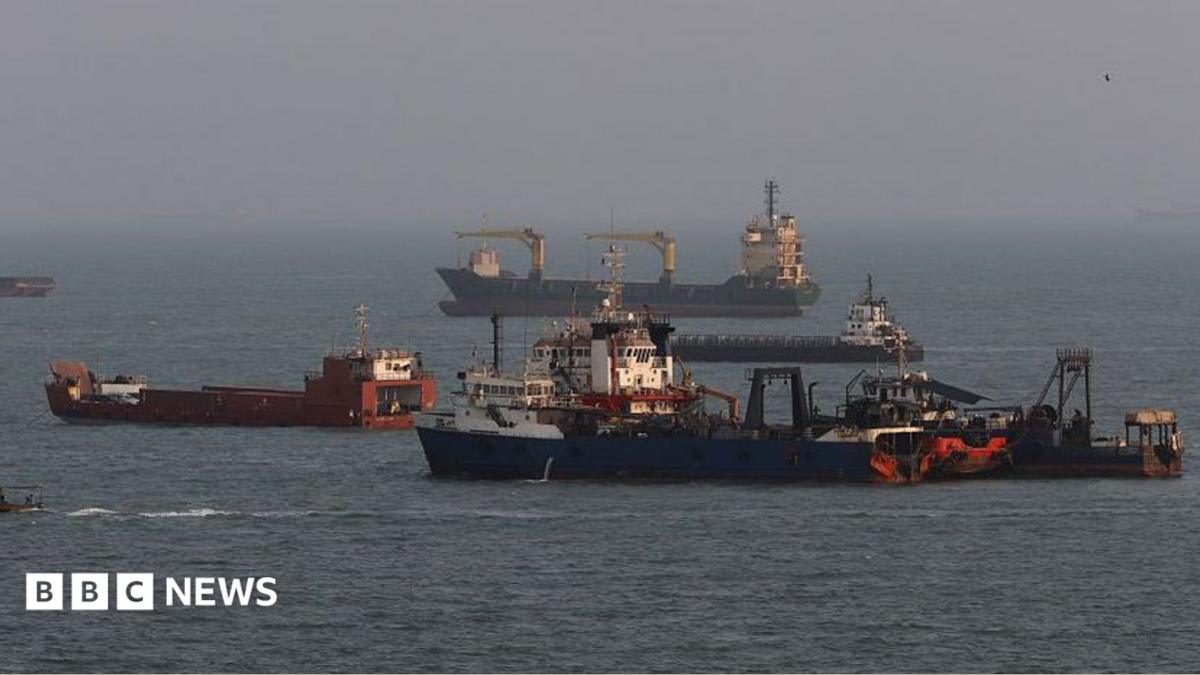
A Saudi-owned supertanker, the Sidr, was struck by projectiles in the Strait of Hormuz, resulting in the deaths of two Filipino sailors. Saudi Arabia has attributed the attack to Iran, while tensions escalate following simultaneous military strikes in the region.
Maritime Security Crisis in the Strait of Hormuz
The Incident and Escalating Regional Tensions
In a concerning escalation of maritime security threats, the Saudi-owned supertanker Sidr was struck by unknown projectiles while transiting the Strait of Hormuz. The Saudi national shipping company, Bahri, confirmed that the vessel was involved in a grave security incident on Monday night. Tragically, the attack resulted in the loss of life for two Filipino sailors, marking a lethal turn in the ongoing regional instability. This event occurred in close proximity to the Musandam Peninsula, a critical chokepoint for global energy supplies.
Conflicting Narratives and Attribution
Saudi Arabia has officially condemned the act, directly attributing the aggression to Iranian forces. The geopolitical friction is further complicated by conflicting accounts regarding the nature of the attack. While maritime security firms report the Sidr and a South Korean-owned tanker, Senegal Prosperity, were struck by projectiles, Iranian authorities have offered a different perspective. Iran claimed that two tankers caught fire after striking mines while utilizing an unauthorized route, though they have yet to provide a direct response to the specific accusations leveled by Riyadh.
The Strategic Importance of the Strait
The Strait of Hormuz remains one of the world's most vital maritime corridors, serving as the primary transit route for a significant percentage of the global oil supply. Any disruption to this passage—whether through military strikes, mines, or security incidents—poses an immediate threat to global energy markets and international shipping safety. The targeting of supertankers in this region is a tactic that aims to project power and exert pressure on regional rivals by threatening their economic lifelines.
Broader Military Context
This maritime incident did not occur in a vacuum; it followed a wave of air strikes carried out by the United States military against Iranian-linked targets. The convergence of these events suggests a rapidly deteriorating security environment where naval assets are increasingly vulnerable to asymmetric warfare. The loss of civilian life aboard the Sidr highlights the humanitarian cost of these escalating geopolitical maneuvers, as non-combatant merchant mariners find themselves on the front lines of regional power struggles.
Future Implications and Regional Stability
Looking ahead, the incident involving the Sidr and the Senegal Prosperity will likely necessitate an increased international naval presence in the Strait of Hormuz to ensure the safety of commercial transit. The inability of regional powers to de-escalate tensions suggests that the risk of miscalculation remains high. As both Saudi Arabia and Iran navigate these hostilities, the international community faces the challenge of preventing localized maritime skirmishes from spiraling into a broader, more destructive regional conflict.