Netflix is getting stingier about its viewing data, and Wall Street isn’t happy
Source Entity
Bill Peters
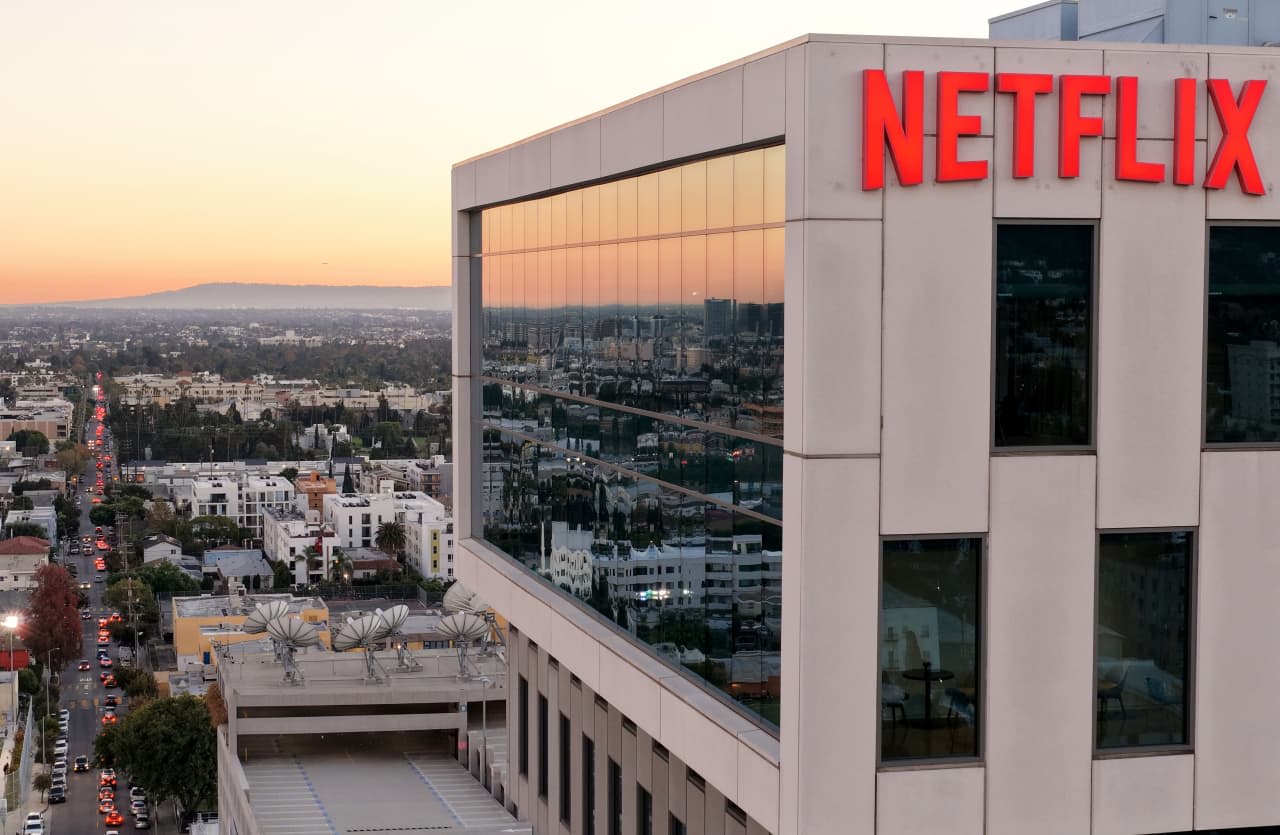
Netflix's stock is declining following a combination of mixed earnings and a decision to limit the release of its 'What We Watched' reports. This move has triggered dissatisfaction among Wall Street investors seeking more transparency.
Market Volatility and the Transparency Crisis at Netflix
Netflix is currently facing a challenging period as it navigates the intersection of financial performance and corporate transparency. The company's stock has experienced a notable decline, a direct reaction to a combination of mixed earnings reports and a strategic decision to scale back the publication of its "What We Watched" reports. For investors, these reports served as a critical barometer for the platform's health and the actual popularity of its content library. The sudden reduction in data availability has created a vacuum of information that Wall Street is interpreting as a negative signal.
The Strategic Value of Viewing Data
In the hyper-competitive landscape of the "streaming wars," viewing data is more than just a metric; it is the primary currency used to determine the value of intellectual property and the success of content investments. The "What We Watched" reports provided a level of transparency that allowed analysts to gauge user engagement and content stickiness. By restricting this data, Netflix is effectively moving toward a "black box" model of operations. While this may protect proprietary strategies from competitors, it simultaneously alienates the institutional investors who rely on hard data to project future growth and subscriber retention.
Wall Street's Reaction to Mixed Earnings
The timing of this data restriction is particularly problematic because it coincides with mixed earnings. When financial results are ambiguous, investors typically look for secondary indicators—such as viewership trends—to find a silver lining or a reason for optimism. Without the granularity of the "What We Watched" reports, analysts are left to speculate on whether the mixed earnings are a temporary dip or a sign of systemic stagnation. This uncertainty almost always leads to stock sell-offs, as the market prefers a known negative over an unknown variable.
Broader Industry Implications
This shift in reporting strategy may signal a broader trend within the technology and entertainment sectors where platforms are becoming increasingly protective of their internal metrics. As streaming services pivot toward ad-supported tiers, the accuracy of viewing data becomes even more critical for advertisers. If Netflix becomes "stingier" with its data, it could potentially create friction not only with shareholders but also with the advertising partners who require precise reach and frequency metrics to justify their spend. This creates a paradox where the company seeks to protect its data while needing that same data to attract revenue.
Historical Context and Future Outlook
Historically, Netflix has transitioned from a DVD-by-mail service to a content powerhouse, often leading the industry in how it defines success. However, as the market matures, the era of "growth at all costs" has been replaced by a demand for efficiency and transparency. Moving forward, Netflix may face increased pressure from regulatory bodies or major shareholders to reinstate detailed reporting to restore market confidence. If the stock continues to slide, the company may be forced to choose between maintaining its data secrecy and stabilizing its valuation.
Conclusion
Ultimately, the current downturn in Netflix's stock is a cautionary tale about the relationship between corporate transparency and market valuation. By cutting back on the "What We Watched" reports during a period of mixed financial performance, Netflix has inadvertently signaled a lack of confidence to Wall Street. To recover, the company will likely need to find a balance between protecting its competitive secrets and providing the transparency necessary to satisfy the rigorous demands of global investors.
Verification Required?