Experts warn of ways screwworm could spread in the US and new difficulties in keeping it at bay
Source Entity
Melody Schreiber
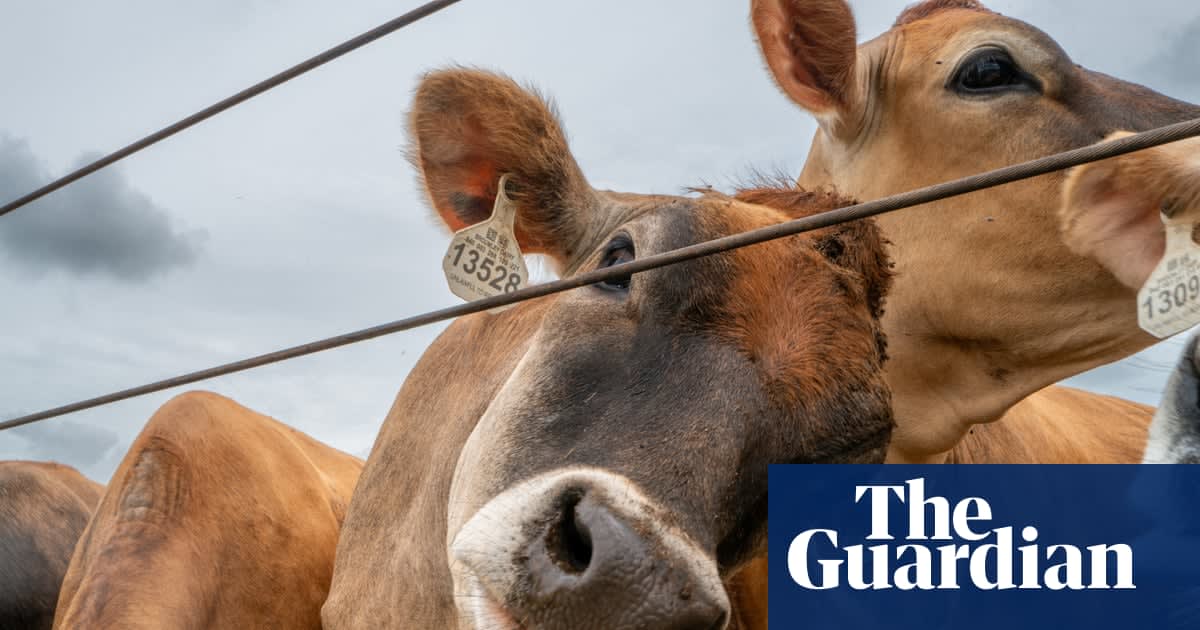
<p>Scientists worry that current eradication efforts won’t be able to contain parasitic infestation pushing into US</p><p>When conservationists set up cameras in remote regions of Central American forests, they wanted to monitor illegal cattle movement, which can lead to <a href="https://www.theguardian.com/environment/deforestation">deforestation</a>. But in recent months, they discovered another alarming development: wildlife rapidly infected with the new world screwworm.</p><p>It’s a warning sign of how the fly could spread in the US – and it signals new difficulties in pushing it back south, a process that will probably take years, experts say.</p> <a href="https://www.theguardian.com/us-news/2026/jul/12/new-world-screwworm-infestation-cattle-industry">Continue reading...</a>
The Resurgent Threat of the New World Screwworm
Recent findings from conservationists in Central America have sounded an alarm for agricultural and biological security in the Western Hemisphere. While monitoring illegal cattle movement to combat deforestation, researchers discovered a far more insidious threat: the rapid infection of wildlife with the New World screwworm (Cochliomyia hominivorax). This discovery suggests that the parasite is not only persisting but expanding its reach through animal populations, creating a volatile situation that could lead to a significant breach of the biological barriers currently protecting the United States from infestation.
The Nature of the Parasitic Threat
To understand the gravity of this situation, one must understand the biological mechanism of the New World screwworm. Unlike many other fly species whose larvae feed on dead tissue, the screwworm is an obligate parasite that feeds on the living tissue of warm-blooded animals. The adult fly deposits eggs in open wounds—even a small scratch or a tick bite—and the resulting larvae burrow deep into the flesh, causing severe tissue destruction, secondary infections, and, if left untreated, the death of the host. This makes the parasite a catastrophic threat to both domestic livestock and wild fauna, potentially leading to massive economic losses in the cattle industry and ecological devastation in wildlife populations.
The Biological Barrier and Historical Context
For decades, the United States and its partners have employed a sophisticated strategy to keep the screwworm at bay, primarily through the Sterile Insect Technique (SIT). This method involves the mass-rearing of male screwworms, sterilizing them with radiation, and releasing them into the wild to mate with females, thereby preventing the production of viable offspring. This effort created a "biological barrier" in the Isthmus of Panama, effectively pushing the screwworm south. However, the current reports from Central American forests indicate that the parasite is finding new reservoirs in wildlife, which are much harder to monitor and treat than managed livestock, thereby complicating the efficacy of the SIT program.
New Challenges in Eradication
The discovery that wildlife is being rapidly infected highlights a critical flaw in current containment strategies. While cattle movement can be regulated through checkpoints and legislation, the movement of wild animals is unpredictable and uncontrollable. As wildlife becomes a primary vector, the screwworm can bypass traditional eradication zones, moving through remote regions where human surveillance is minimal. The fact that these infections were discovered by cameras intended for deforestation monitoring underscores how the parasite is infiltrating niches that were previously overlooked, making the process of "pushing it back south" a daunting task that experts believe will take years of intensified effort.
Broader Implications and Future Trends
If the New World screwworm were to successfully enter the United States, the implications would be twofold: economic and ecological. The US cattle industry, a cornerstone of the national economy, would face immense costs related to treatment, quarantine, and lost productivity. Beyond the financial toll, the ecological impact on native wildlife could be severe, potentially destabilizing local ecosystems by killing off key species. Looking forward, this trend suggests that biological security will require a more holistic, "One Health" approach—integrating wildlife surveillance with livestock management—to prevent the collapse of decades of eradication progress.
Summary
The emergence of New World screwworms in Central American wildlife represents a critical failure in current containment efforts and a looming threat to North American agriculture. The shift from livestock-centric infestation to wildlife-driven spread necessitates a re-evaluation of the Sterile Insect Technique and a more aggressive, coordinated international response to prevent a costly and destructive re-entry of the parasite into the United States.