Has Nike lost its 'cool' factor? LeBron James weighs in
Source Entity
US Top News and Analysis
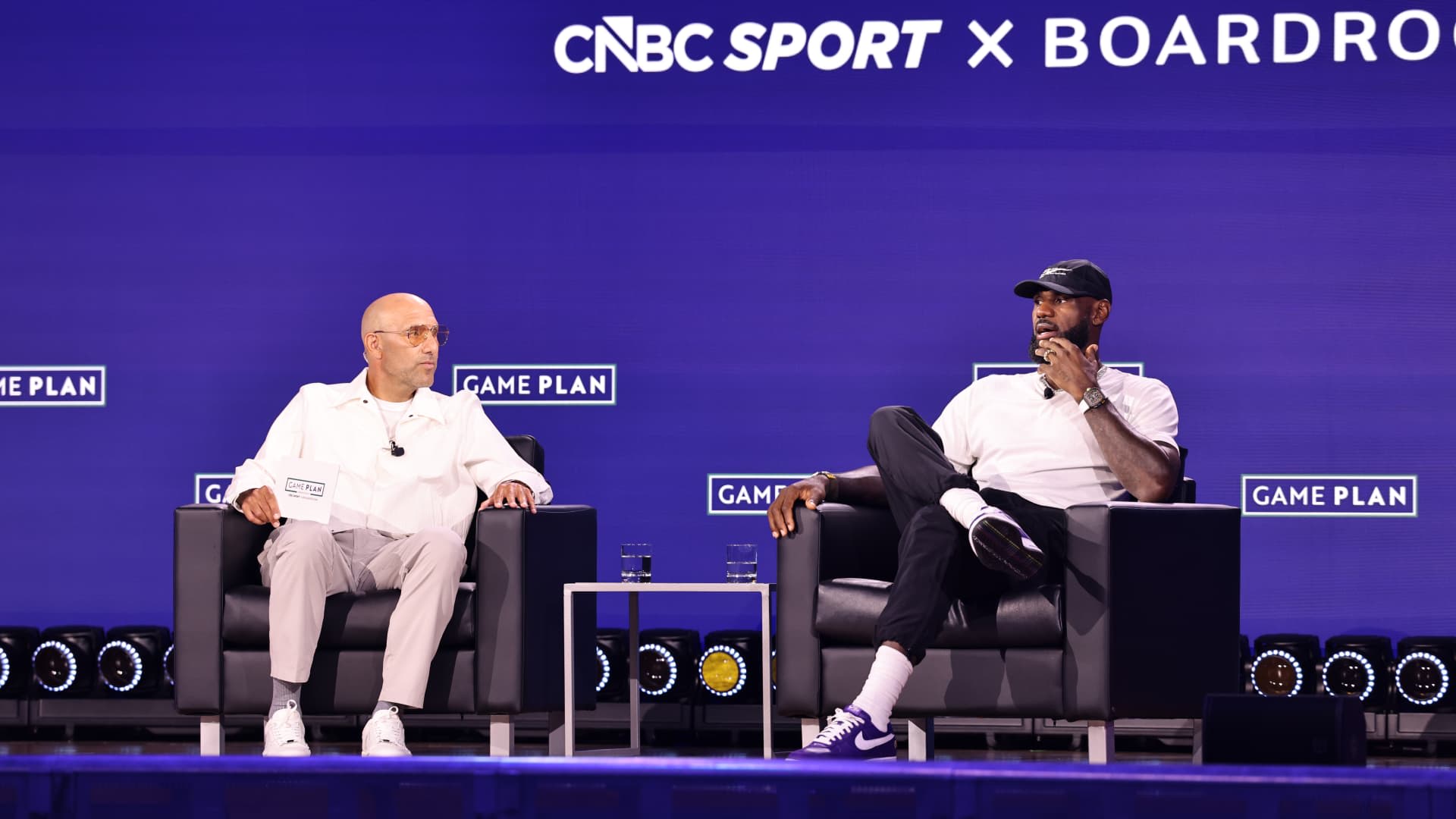
Despite LeBron James's continued athletic dominance and a record-breaking 22nd All-Star appearance, Nike's stock has plummeted 70% from its 2021 peak. James and Nike executives are now grappling with the brand's perceived loss of its 'cool factor' amidst a significant financial downturn.
The Paradox of Performance: LeBron's Peak vs. Nike's Decline
At the CNBC Sport x Boardroom Game Plan Summit in New York City on July 16, 2026, a stark contrast emerged between the individual trajectory of LeBron James and the corporate health of his lifelong partner, Nike. While James continues to defy age and athletic norms—having just secured his record-breaking twenty-second consecutive NBA All-Star selection—Nike is navigating a period of severe financial instability. This divergence highlights a critical tension in the sports apparel industry: the gap between the enduring prestige of a superstar athlete and the fluctuating market value of the brand that sponsors them.
A Financial Freefall
The numbers surrounding Nike's valuation provide a sobering look at the company's current state. By 2026, Nike's stock has seen a 30% decline, but the broader picture is even more alarming, with shares down more than 70% from their peak in November 2021. Such a precipitous drop suggests a systemic loss of investor confidence. This financial slump occurs despite the company's massive investments in infrastructure and talent, indicating that traditional growth levers may no longer be sufficient to sustain the company's previous market heights.
The Foundation of a Lifetime Partnership
To understand the stakes, one must look at the deep historical ties between James and the Swoosh. The relationship began in 2003 with a landmark 7-year, $90 million deal, which evolved into a lifetime agreement signed in 2015. This latter deal is reportedly the largest single-athlete guarantee in Nike's history, cementing James not just as an endorser, but as a permanent pillar of the brand. The commitment extended beyond marketing into sports science with the 2021 unveiling of the LeBron James Innovation Center in Beaverton, Oregon. This 700,000-square-foot facility was designed to drive breakthroughs in sports science, illustrating Nike's attempt to marry James's physical longevity with technological advancement.
The Elusive 'Cool Factor'
Despite the scientific breakthroughs and athlete loyalty, the brand is facing a crisis of identity. LeBron James touched upon this during the summit, noting that "everyone wants to feel cool when they leave the house." This 'cool factor' is the intangible currency of the sportswear industry; it is the bridge between high-performance gear and lifestyle fashion. James's observation suggests that while the products may remain functional and the athletes may remain elite, the emotional connection and cultural trendiness that once drove Nike's dominance are currently in jeopardy.
Strategic Pivots and Growth Objectives
Nike's leadership has attempted to address these challenges by refocusing on the core essence of the business. In October 2025, Hill informed CNBC that the company's primary identity is twofold: they are a "sport company" and a "growth company." The strategic logic presented is that by growing the sport itself, Nike can organically grow the overall marketplace. This suggests a shift away from purely lifestyle-driven marketing and a return to the grassroots of athletic participation as a means to recover lost market share and rebuild the brand's prestige.
Future Implications and Summary
Looking forward, the trajectory of Nike will likely depend on whether it can successfully re-synchronize its corporate identity with the cultural zeitgeist. The fact that LeBron James remains an All-Star provides a stable foundation, but as the stock decline shows, athlete performance alone cannot shield a company from market volatility. Nike must now determine if the 'cool factor' can be engineered through innovation centers and growth strategies, or if it requires a fundamental shift in how the brand engages with the modern consumer. Ultimately, the current slump serves as a cautionary tale about the volatility of brand equity in an ever-changing cultural landscape.