Delhi dropped 13 FIRs in a day, Maharashtra’s CJP protestors face a longer wait
Source Entity
Mohamed Thaver, Sadaf Modak
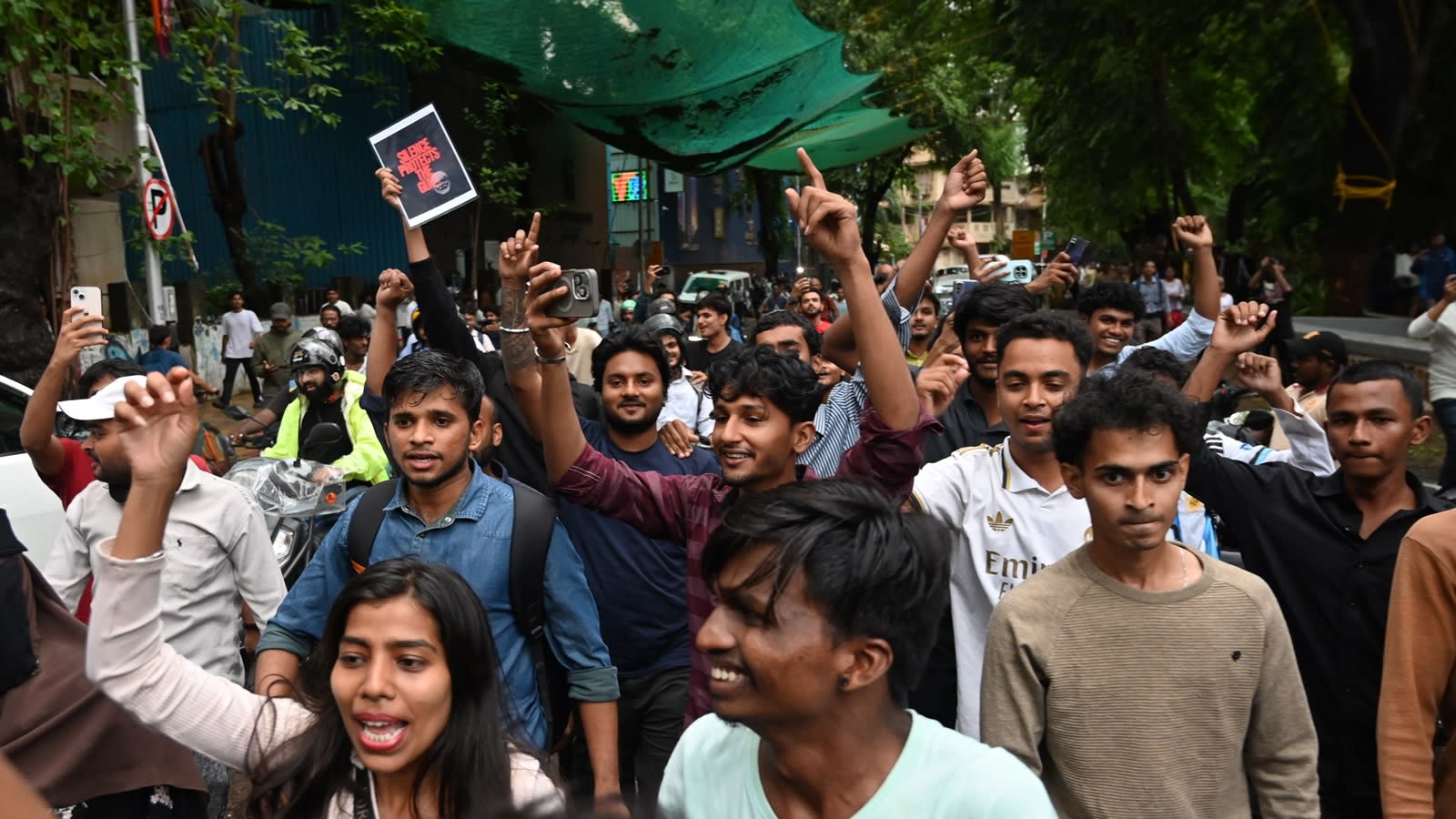
A 25-year-old woman faces legal action for alleged derogatory remarks against the PM during protests over NEET-UG irregularities. While the Delhi government has promised no adverse action against protesters, the case against the individual remains under police investigation.
Legal Fallout Following NEET-UG Protests
Recent demonstrations surrounding the alleged irregularities in the NEET-UG examination have resulted in complex legal ramifications. A 25-year-old woman, identified as Ruchika Singh, has been booked by Noida Police following a zero FIR filed by Supreme Court advocate Smriti Singh. The complaint centers on allegedly 'objectionable' language used by the accused against Prime Minister Narendra Modi during the protests, with the complainant providing video evidence to substantiate the claims.
Procedural Developments and Jurisdiction
The initiation of a 'zero FIR' by Noida Police signifies the immediate nature of the complaint, allowing for the registration of a case regardless of jurisdiction. Given the nature of the allegations and the location of the event, the investigation has since been transferred to the Delhi Police for further proceedings. The case has been registered under the relevant sections of the Bharatiya Nyaya Sanhita, marking a significant legal escalation for the individual involved.
The Stance of the CJP
The Citizens for Justice and Peace (CJP) has weighed in on the situation, acknowledging that while the remarks made by Singh may be considered inappropriate or wrong, they maintain that such aggressive legal action should not be pursued. This intervention highlights the ongoing tension between freedom of expression and the legal protections afforded to public officials. It underscores the broader debate regarding the threshold of dissent in a democratic society, especially during periods of public unrest.
Government Policy on Protesters
In a move to de-escalate tensions related to the wider NEET-UG controversy, the Delhi government has issued a directive stating that no adverse legal action will be taken against individuals involved in the protests. This policy shift is intended to provide a measure of protection to demonstrators who were booked during the height of the protests against exam irregularities. However, it remains to be seen how this policy will interact with the specific criminal charges filed against Ruchika Singh.
Broader Implications and Future Trends
The intersection of high-stakes public examinations and political protest often creates a volatile environment for civil liberties. As the Delhi Police takes over the investigation, the case will likely serve as a litmus test for how law enforcement balances the right to protest against the legal consequences of inflammatory speech. Future trends suggest that while governments may move to protect the rights of peaceful protesters, individuals identified as having crossed the line into personal defamation or prohibited speech will continue to face scrutiny under the Bharatiya Nyaya Sanhita.
Multiple Citing Sources