Canada issues air quality warnings over US wildfire smoke after Trump tariff threat
Source Entity
Olivia Bowden in Toronto
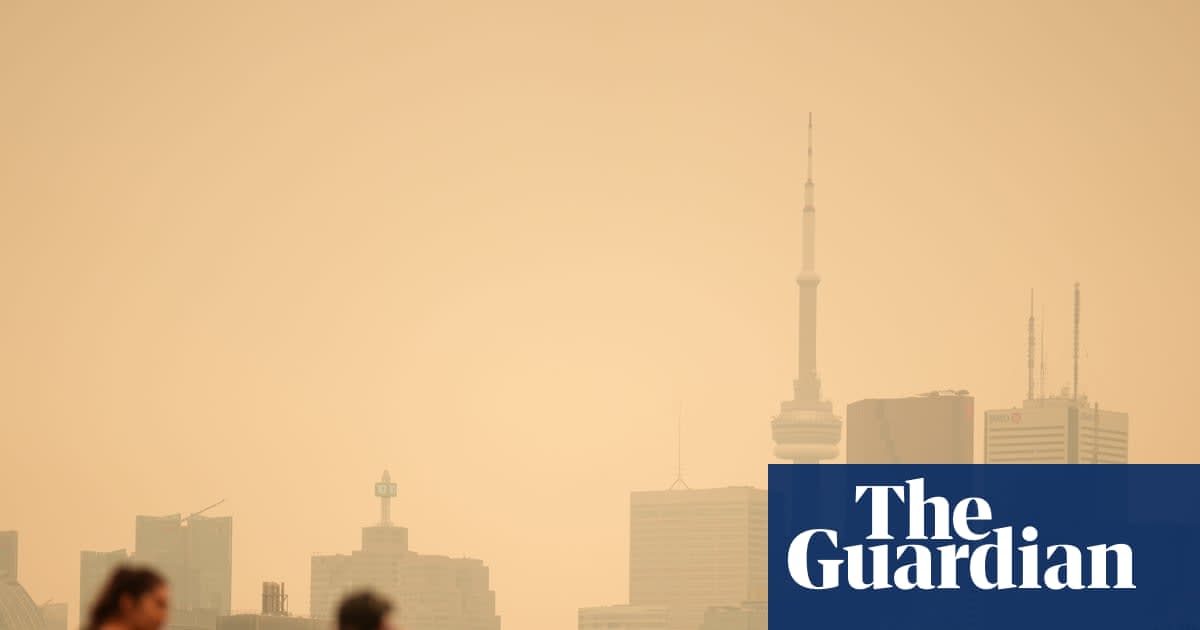
North America is experiencing a complex weather crisis as wildfire smoke drifts across the US-Canada border in both directions. Simultaneously, the US Northeast faces severe weather threats, including flash floods, as atmospheric conditions shift.
A Cross-Border Environmental Crisis
The North American continent is currently grappling with a volatile atmospheric situation characterized by a reciprocal exchange of wildfire smoke across the US-Canada border. While initial reports highlighted smoke from Canadian wildfires descending into major US cities, the narrative has shifted to reveal a complex, bidirectional flow. British Columbia officials have issued alerts confirming that smoke from fires in Washington and Oregon, ignited by thousands of lightning strikes, is now drifting northward into Canada, creating a cyclical pattern of air quality degradation that transcends national boundaries.
The Geopolitical and Economic Friction
This environmental event has taken on a political dimension, with former President Donald Trump leveraging the earlier southward drift of smoke to threaten Canada with tariffs. This intersection of climate events and economic policy underscores the fragility of cross-border relations when environmental disasters strike. The threat of tariffs based on wildfire smoke—a phenomenon dictated by atmospheric currents—highlights how natural disasters are increasingly being weaponized in political discourse, creating tension between neighbors who are simultaneously victims of the same regional climate stressors.
The Dual Threat in the US Northeast
In the United States, the situation is further complicated by a 'double dose' of dangerous weather. Residents in the Northeast are enduring a rapid transition from hazardous, smoke-filled air quality to the immediate, life-threatening danger of flash floods. As shifting winds attempt to clear the haze from Canadian wildfires, they are facilitating the arrival of severe thunderstorms. These storms, while potentially beneficial for clearing the air, bring torrential rainfall that has already triggered urgent flash flood warnings across the region.
Meteorological Volatility and Climate Patterns
The Northwest Interagency Coordination Center reports that twenty-two large fires are currently active across Washington and Oregon, serving as the primary source for the smoke drifting into British Columbia. This concentration of fire activity, combined with the instability in the Northeast, illustrates a broader trend of meteorological volatility. The rapid oscillation between extreme air pollution and severe hydrological events creates a challenging environment for emergency services and public health officials, who must navigate multiple, concurrent crises.
Future Trends and Public Health Implications
Looking ahead, the reliance on shifting winds to clear smoke presents a precarious balancing act. While wind patterns may alleviate air quality issues in the short term, the atmospheric instability required to shift these air masses often triggers the very severe thunderstorms currently threatening the Northeast. Consequently, citizens in both nations must prepare for a future defined by 'cascading hazards,' where one climate-driven event directly facilitates the arrival of another. Public health infrastructure will need to become more resilient to these sudden, overlapping environmental shocks.
Conclusion
The current North American weather event serves as a stark reminder of the interconnectedness of our climate. From the political friction caused by cross-border smoke to the immediate danger of flash floods, the situation demands a coordinated approach to disaster management. As wildfires continue to burn across the Pacific Northwest and the Northeast faces ongoing storm threats, the priority remains the safety of populations currently caught in the path of these shifting, dangerous atmospheric conditions.
Multiple Citing Sources