Introducing Cosmos 3 Edge
Source Entity
Hugging Face - Blog
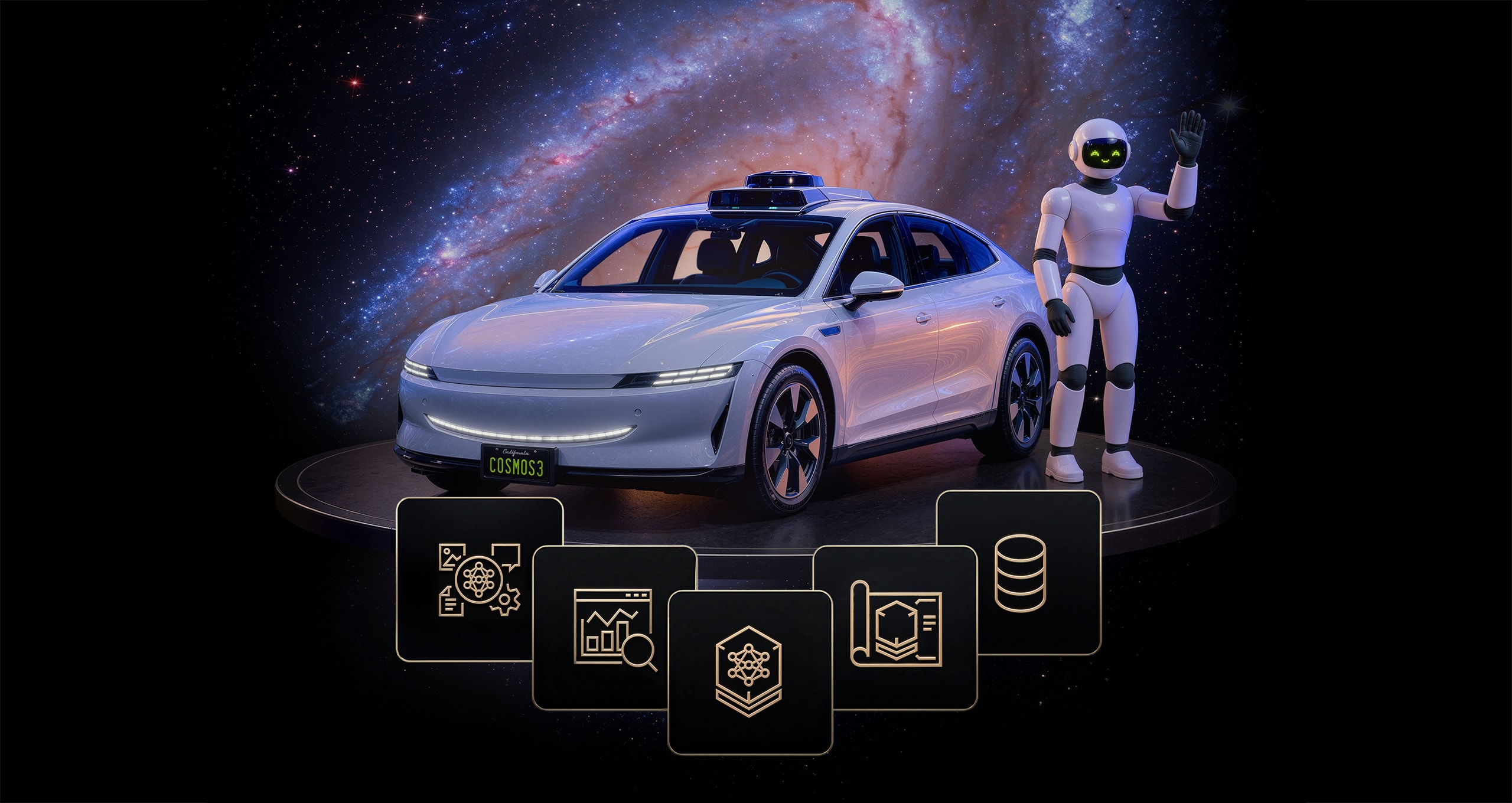
NVIDIA has released Cosmos 3 Edge, a 4-billion-parameter open world model designed to provide high-performance AI reasoning for robots and edge devices. This model enables machines in factories and hospitals to process complex visual data and generate actions in real-time.
The Evolution of Embodied AI: Introducing Cosmos 3 Edge
On July 20, 2026, NVIDIA officially expanded its generative AI portfolio with the release of Cosmos 3 Edge. This new model represents a critical shift in how physical AI systems interact with the real world, moving beyond static data processing toward dynamic, real-time environmental awareness. By hosting this model on Hugging Face, NVIDIA is prioritizing accessibility for developers looking to integrate advanced machine cognition into physical hardware.
Bridging the Gap: Data Center Performance at the Edge
Historically, the most sophisticated AI models required massive, power-hungry data center infrastructure, creating a bottleneck for robotics and autonomous systems operating in the field. Cosmos 3 Edge addresses this by offering a 4-billion-parameter architecture specifically engineered for memory-constrained environments. This allows machines in demanding sectors like manufacturing, logistics, and healthcare to perform high-level reasoning without the latency associated with cloud reliance.
Understanding and Predicting Dynamic Environments
For a robot to function safely in a warehouse or hospital, it must do more than identify objects; it must understand the physics of a changing scene. The architecture of Cosmos 3 Edge is designed to anticipate future outcomes and calculate the potential impact of specific actions. This predictive capability is essential for safety, as it allows machines to adjust their behavior before a physical collision or operational error occurs.
The Role of Open World Models in Robotics
As an 'open world model,' Cosmos 3 Edge serves as the cognitive foundation for robots and vision AI agents. By providing a framework that understands surroundings in real time, NVIDIA is essentially giving machines a 'mental map' of their operational space. This capability is the missing link for widespread robotic adoption in unstructured environments where conditions shift constantly and unpredictably.
Future Trends and Industrial Implications
Looking forward, the release of this model signals an industry-wide trend toward decentralized intelligence. As hardware becomes more capable of running complex models locally, we expect to see a surge in autonomous systems that can handle complex navigation and task management without constant human oversight. The integration of Cosmos 3 Edge into existing robotics stacks will likely accelerate the development of more versatile, adaptive, and efficient autonomous agents across global supply chains.
Conclusion
NVIDIA's Cosmos 3 Edge marks a pivotal step in the trajectory of embodied AI. By enabling sophisticated reasoning on edge devices, the model reduces the barriers to entry for advanced robotics deployment. As developers begin to utilize the repository on Hugging Face, we can anticipate a new generation of robots that are not only faster and more accurate but also deeply integrated into the nuances of our physical world.