New Odisha Governor who stirred a row: Who is BJP veteran Brajmohan Ram?
Source Entity
Shubham Tigga
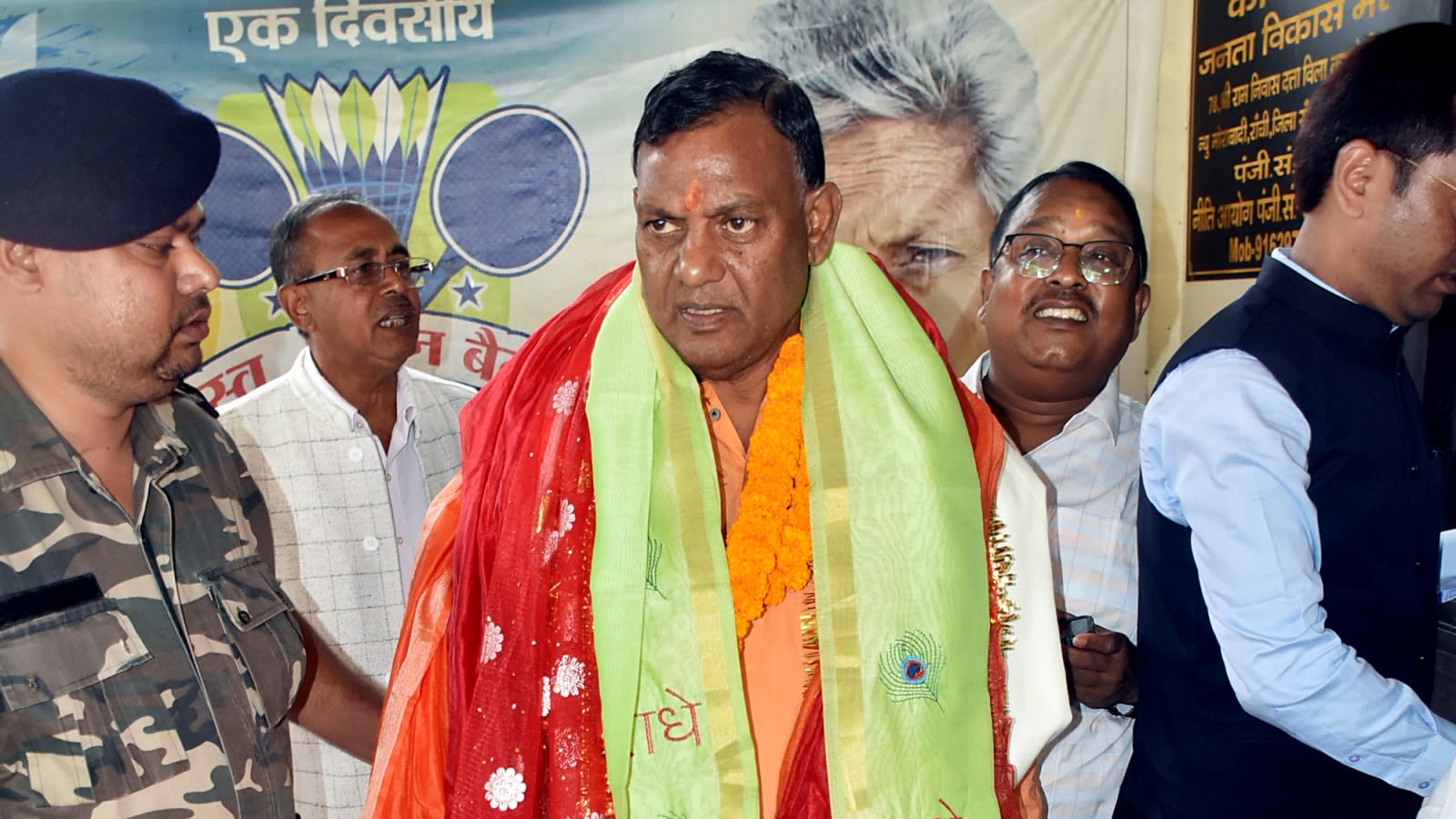
Newly appointed Odisha Governor Brajmohan Ram has sparked a political controversy by pledging to secure votes for the BJP. Opposition parties, including the BJD and Congress, have criticized his remarks as a breach of constitutional impartiality.
The Constitutional Controversy Surrounding Brajmohan Ram
The appointment of Brajmohan Ram as the Governor of Odisha has ignited a significant political firestorm, challenging the traditional standards of neutrality expected from the gubernatorial office in India. The controversy stems from public remarks made by Ram, a veteran BJP leader from Jharkhand, in which he expressed an explicit intent to mobilize support and secure votes for the Bharatiya Janata Party. This departure from the expected non-partisan role of a state Governor has prompted immediate backlash from opposition entities.
The Erosion of Gubernatorial Impartiality
Historically, the office of the Governor is intended to act as a bridge between the Union and the State, serving as a constitutional guardian that remains above partisan skirmishes. By openly declaring his commitment to the BJP’s electoral success, Ram has effectively blurred the lines between the executive branch of the state and party politics. The Biju Janata Dal (BJD) and the Congress have highlighted this as an alarming indicator of institutional capture, arguing that such rhetoric undermines the federal structure and the democratic integrity of the Governor's office.
Political Background and Allegiance
Brajmohan Ram’s background as a Scheduled Caste (SC) leader from Jharkhand provides context for his political trajectory. His explicit focus on activating the BJP’s SC Morcha suggests that his appointment may be a strategic move to consolidate the party's influence among specific demographic segments. Ram’s own narrative of political loyalty—emphasizing his refusal to leave the party despite being denied tickets thrice—underscores a deep-seated commitment to organizational success, which he appears to be carrying over into his new, ostensibly neutral, constitutional role.
Broader Implications for Odisha Politics
In the context of a BJP-ruled Odisha, the Governor’s role becomes even more scrutinized. When the head of the state administration aligns himself with the ruling party's electoral goals, it creates a perception of executive overreach. This development is likely to intensify the legislative friction between the government and the opposition, potentially leading to increased gridlock in the state assembly as the opposition seeks to challenge the Governor's conduct through legal or parliamentary means.
Future Trends and Institutional Trust
Looking forward, this incident reflects a growing trend where constitutional appointments are increasingly viewed through the lens of political patronage. If the Governor remains firm in his pro-party stance, it will likely lead to heightened tensions between Raj Bhavan and the various political stakeholders in the state. The long-term consequence of such rhetoric is the potential degradation of public trust in neutral state institutions, which are essential for maintaining the checks and balances inherent in a healthy democracy.