Oil Edges Up Amid Uncertainty Over Next U.S.-Iran Moves
Source Entity
Yahoo Finance
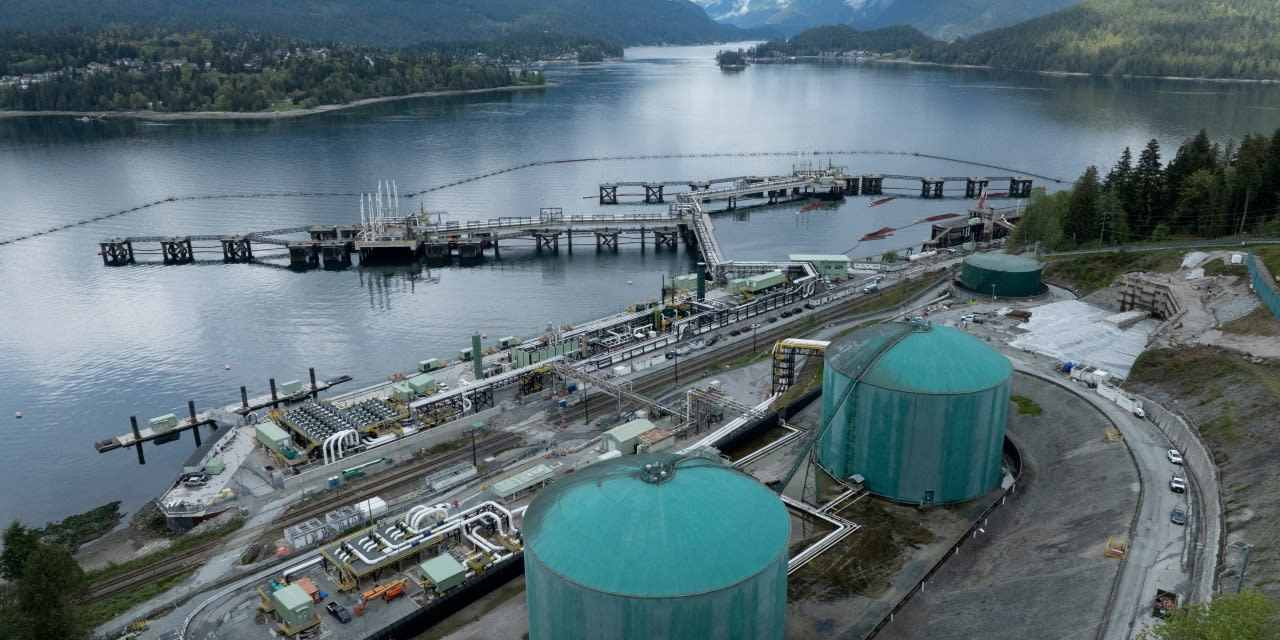
Oil prices have surged by 13% this week due to heightened geopolitical tensions between the U.S. and Iran. Markets remain volatile as Tehran threatens to retaliate against regional infrastructure if President Trump proceeds with planned strikes.
The Geopolitical Precipice: Oil Markets React to U.S.-Iran Tensions
The global energy market is currently navigating a period of acute volatility, with oil prices recording a significant 13% increase over the past week. This upward trajectory in the cost of West Texas Intermediate (WTI) and Brent crude reflects deep-seated investor anxiety following public escalations between the United States and Iran. As of June 2026, the financial impact is clear, with WTI futures climbing 1.32% to $80.09 per barrel, signaling that traders are pricing in a substantial risk premium related to potential supply chain disruptions.
The Catalyst of Conflict
At the center of this instability is a direct standoff regarding critical infrastructure. President Donald Trump has explicitly stated that U.S. forces are prepared to target Iranian facilities unless a diplomatic breakthrough is achieved in the near term. This ultimatum has effectively transformed the energy market into a barometer for international security, where the threat of kinetic action—and the subsequent vow from Tehran to retaliate against regional infrastructure—is driving prices toward the $100-per-barrel threshold.
Strategic Anchors and Regional Risks
Visual evidence of the tension is present in the maritime sector, where oil tankers and cargo vessels remain anchored off Port Sultan Qaboos in Muscat, Oman. This concentration of shipping assets underscores the vulnerability of the region's energy logistics. Any escalation in the conflict poses an immediate threat to the free flow of oil through critical maritime chokepoints, a reality that keeps global energy markets in a state of high alert.
Economic Incentives vs. Political Brinkmanship
Despite the aggressive rhetoric, there remains a layer of economic calculation. Reports suggest that Tehran currently holds a significant economic package—comprising access to frozen assets and potential export waivers—that it is reluctant to abandon. Analysts suggest that this leverage provides a narrow window for diplomacy, though the current trajectory of "threats and counter-threats" makes the prospect of a peaceful resolution increasingly precarious.
Future Trends and Market Outlook
Looking ahead, the market is bracing for continued instability. The fact that WTI and Brent have seen their largest one-week percentage gains in months suggests that the market has shifted from a state of complacency to one of reactive hedging. If diplomatic efforts fail to yield results before the impending deadline set by the U.S. administration, the upward pressure on oil prices is likely to intensify, potentially creating sustained inflationary risks for the global economy.
Conclusion
In summary, the interplay between U.S. foreign policy and Iranian defensive posturing has created a volatile environment for global energy. With the threat of infrastructure strikes looming, investors are closely monitoring every diplomatic update. Until a concrete de-escalation occurs, the energy sector will likely remain hypersensitive to geopolitical developments, with prices fluctuating in direct response to the evolving security situation in the Middle East.
Multiple Citing Sources