3 Old Delhi business families under scanner for submitting forged special needs certificates for school admission
Source Entity
Sakshi Chand
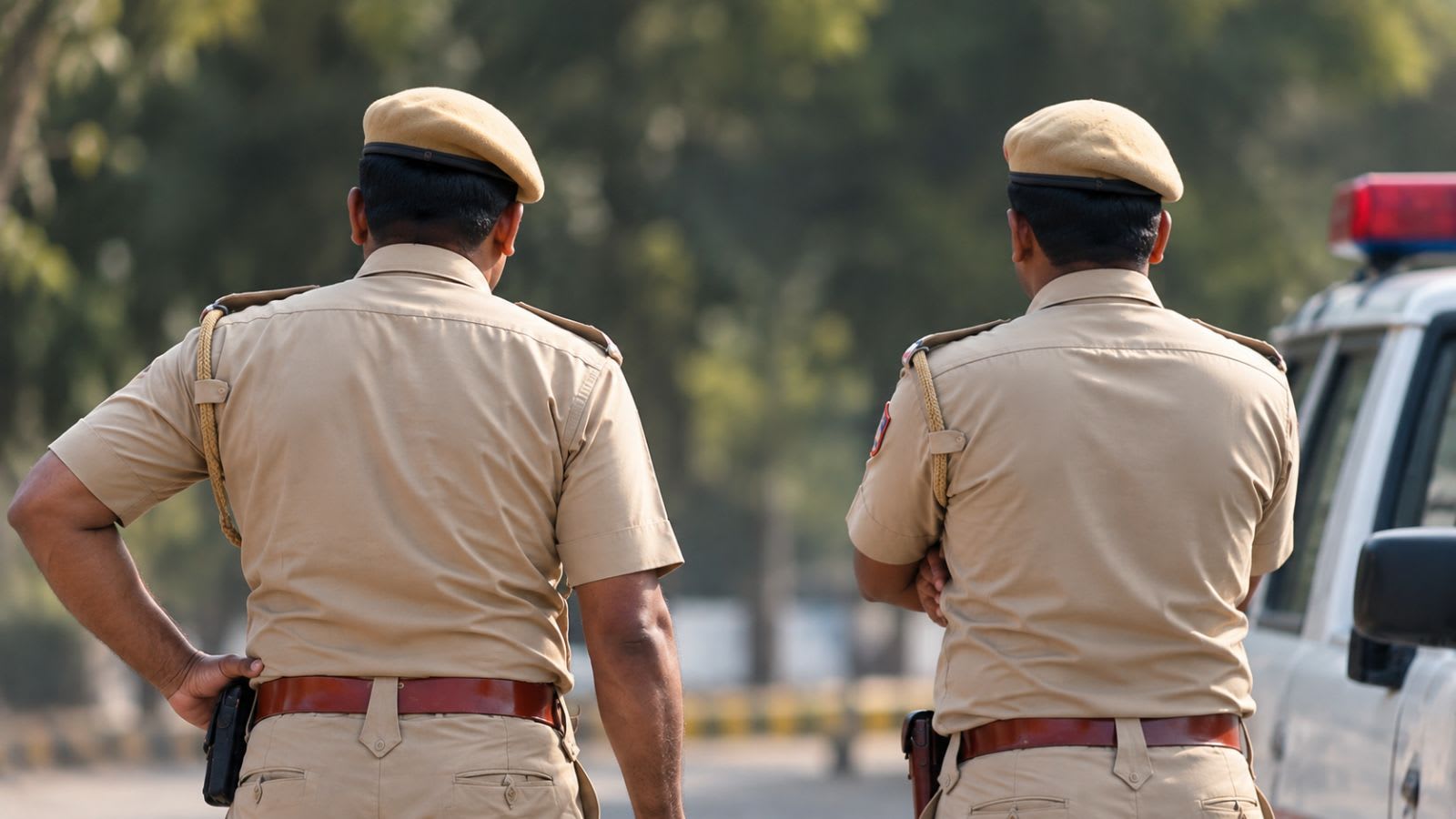
Three prominent Old Delhi business families are under investigation for allegedly using forged disability certificates to secure school admissions. Police confirmed the documents were falsely attributed to Lok Nayak Hospital to exploit the Children with Special Needs quota.
Investigation into School Admission Fraud in Delhi
The Allegations
Recent reports indicate that authorities in Delhi have launched an investigation into three prominent business families from the Old Delhi area. These families are accused of orchestrating a scheme to secure admission for their children at a prestigious school in Chanakyapuri for the 2026-27 academic session. The core of the accusation involves the submission of fraudulent documentation to bypass standard admission criteria, specifically by misusing the 'Children with Special Needs' (CwSN) quota.
The Nature of the Forgery
According to official police statements, the fraudulent documentation included disability certificates and recommendation letters. Each of the three certificates claimed that the respective children suffered from a 41% hearing impairment. These documents were purportedly issued by the Lok Nayak Hospital, a major public health facility in the capital. However, rigorous verification conducted by law enforcement confirmed that the hospital had never issued any of these certificates, revealing a calculated attempt to deceive school administrators.
Implications for the CwSN Category
The Children with Special Needs (CwSN) category is a vital policy instrument designed to ensure that students with genuine disabilities receive equitable access to high-quality education. By allegedly faking a 41% hearing impairment, the accused families have not only committed a criminal act of forgery but have also undermined the integrity of a system intended to protect vulnerable populations. This incident raises serious questions about the oversight mechanisms currently in place for verifying medical documents during the school admission process.
Broadening the Scope of the Investigation
Police are currently working to identify the full extent of this operation, specifically probing whether the families acted independently or if they engaged an external network involved in the production of counterfeit medical records. The investigation is focusing on how these documents were fabricated and whether other institutions may have been targeted by similar fraudulent activities. The age of the children—four and five years old—suggests a long-term planning effort to secure spots in elite educational institutions.
Systemic Risks and Future Trends
This case highlights a disturbing trend where the pressure to secure seats in elite schools leads some individuals to resort to unethical and illegal measures. As competition for top-tier schools in Delhi intensifies, the potential for documentation fraud remains a significant concern for both educational boards and law enforcement. Future school admissions may likely see a shift toward more stringent, digitized verification processes that link medical records directly to government databases to prevent such occurrences.
Conclusion
The investigation into these three families serves as a cautionary tale regarding the misuse of social welfare quotas. As the police continue their inquiry, the focus remains on ensuring accountability and maintaining the sanctity of the admission process. The outcome of this case will likely influence how schools across the national capital handle the verification of disability documentation in the coming years.