Woman misses connecting flight, ‘loses’ assistant professor job, wins Rs 53,000 payout
Source Entity
Richa Sahay
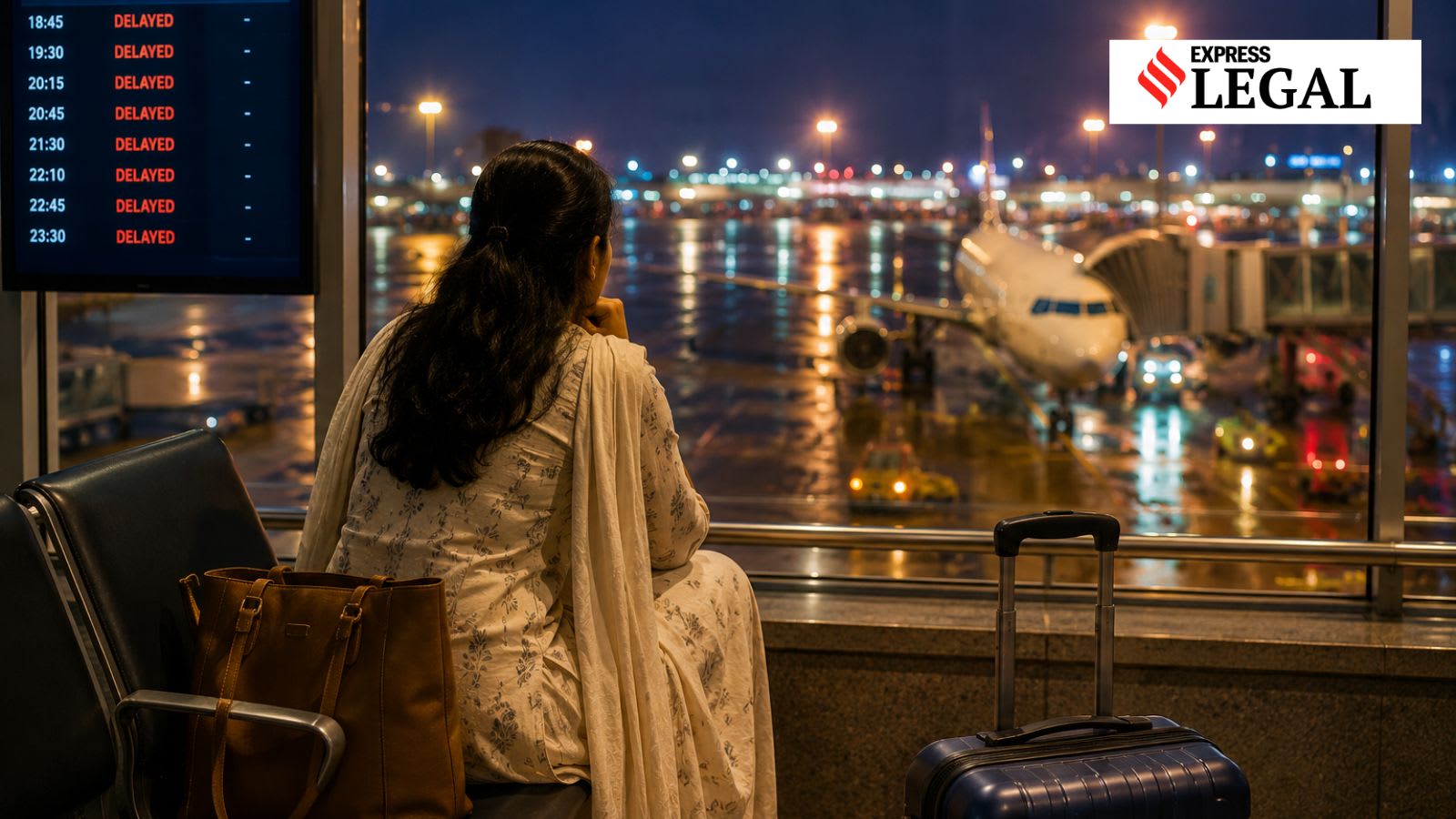
A consumer commission in Kerala has ordered Oman Air to pay ₹53,000 in compensation to a woman who missed a connecting flight due to the airline's deficiency of service, which subsequently led to the loss of her employment as an assistant professor.
Legal Accountability in Aviation: The Case of Oman Air and Professional Loss
In a significant ruling highlighting the intersection of consumer rights and professional livelihoods, a consumer commission in Kerala has held Oman Air accountable for a 'deficiency of service' that resulted in a passenger losing a prestigious career opportunity. The case centers on a woman who, due to the airline's failure to ensure a timely connection, missed her flight and consequently lost her appointment as an assistant professor. This incident underscores the profound ripple effects that operational failures in the aviation industry can have on an individual's life, extending far beyond mere travel inconvenience.
The Catalyst: Operational Failure and Professional Consequences
The core of the dispute lies in the airline's inability to facilitate a seamless transition between connecting flights. For the average traveler, a missed connection typically results in a few hours of waiting or an overnight stay in a hotel. However, for the complainant in this case, the timing was critical. The rigid nature of academic appointments—where joining dates are often non-negotiable and strictly enforced—meant that the delay caused by Oman Air was not just a logistical error but a professional catastrophe. The loss of an assistant professor position represents a loss of stability, prestige, and long-term income, making the airline's deficiency far more damaging than a standard service lapse.
Legal Framework: 'Deficiency of Service' under Indian Law
Under the Consumer Protection Act in India, 'deficiency' is defined as any fault, imperfection, shortcoming, or inadequacy in the quality, nature, and manner of performance which is required to be maintained by a provider. In this instance, the Kerala consumer commission determined that Oman Air failed to meet the basic standard of service expected from an international carrier. By failing to ensure the passenger reached her destination in time for her professional commitment, the airline breached its implied contract of carriage. This ruling reinforces the principle that airlines are not merely transporting bodies from point A to point B, but are responsible for the reliability of the schedule they sell to their customers.
Analyzing the Compensation: The Gap Between Payout and Loss
The commission directed Oman Air to pay ₹53,000 as compensation. While this is a legal victory for the passenger, an analytical look at the figure reveals a stark contrast between the court-awarded damages and the actual economic loss. The lifetime earnings of an assistant professor far exceed a one-time payout of ₹53,000. This reflects a common trend in consumer court rulings where compensation is often calculated based on immediate distress and a fraction of the direct loss, rather than the full projected loss of future earnings. This gap highlights the difficulty passengers face in quantifying 'opportunity cost' in a legal setting.
Broader Implications for the Aviation Industry
This ruling serves as a cautionary tale for international airlines operating in the Indian market. It signals that consumer courts are increasingly willing to look beyond the fine print of 'Terms and Conditions'—which usually limit airline liability for delays—and focus on the actual impact on the consumer. As global mobility increases, the reliance on connecting flights grows, and the potential for high-stakes losses (such as missing medical procedures, legal hearings, or job starts) increases. Airlines may need to implement more robust contingency plans and better communication channels to mitigate such risks.
Future Trends in Consumer Litigation
Moving forward, we can expect a rise in similar cases where passengers seek damages for 'consequential losses' rather than just the cost of the ticket. As the awareness of consumer rights grows in India, the judiciary may be pushed to redefine how compensation is calculated for life-altering events caused by service deficiencies. The transition from awarding 'nominal damages' to 'compensatory damages' that truly reflect the loss of a career path could become a pivotal point in Indian consumer jurisprudence.
Conclusion
The Kerala consumer commission's decision to penalize Oman Air is a vital affirmation of passenger rights. While the monetary compensation may not fully replace a lost career in academia, the legal recognition of the airline's fault provides a necessary layer of accountability. This case emphasizes that in the modern era of global travel, the reliability of a service provider is inextricably linked to the professional and personal success of its clients.