Onam rush: Action plan ready for stringent traffic enforcement from August 20 in Kozhikode city
Source Entity
India Latest News: Top National Headlines Today & Breaking News | The Hindu
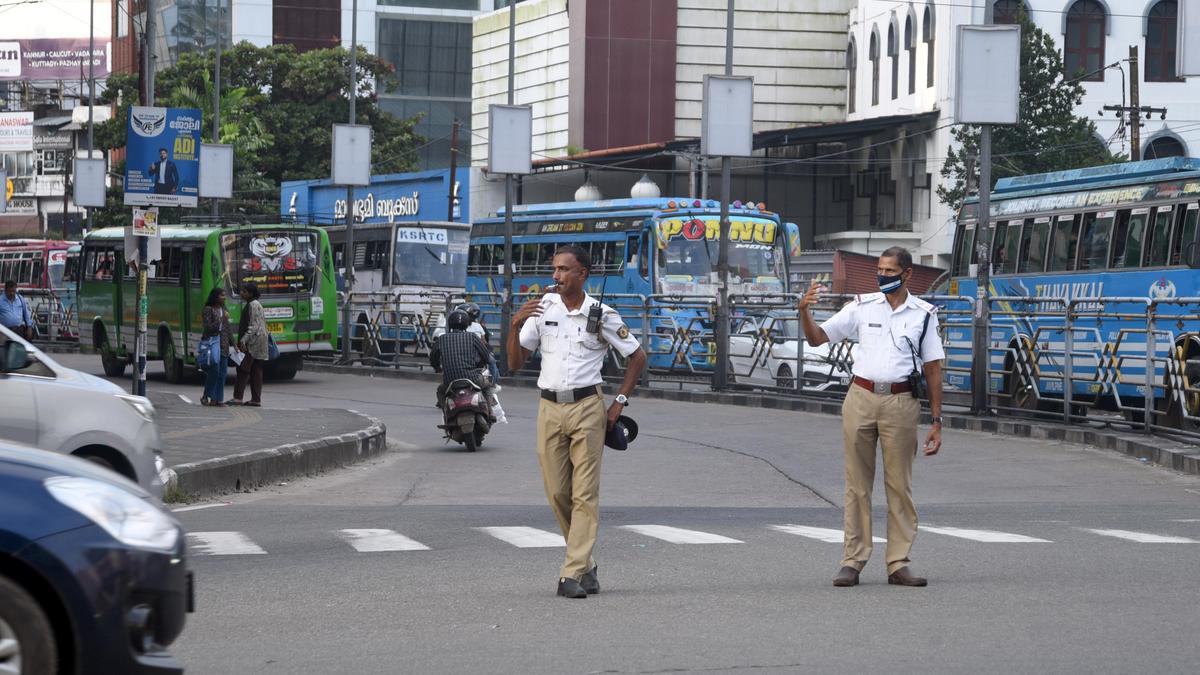
Kozhikode city police are implementing strict traffic and parking regulations from August 20 to 31 to manage the anticipated Onam festive rush. The measures include drone surveillance, immediate vehicle removal for illegal parking, and a total ban on parking near major junctions and bus stops.
Enhanced Traffic Management for Onam in Kozhikode
As the Onam festival approaches, the Kozhikode city police have unveiled a comprehensive action plan to mitigate the anticipated surge in traffic congestion. Recognizing the historical significance of Onam as a peak period for commerce and public movement, authorities have mandated stringent traffic enforcement measures effective from August 20 through August 31. This initiative aims to maintain order and safety during a time when streets typically witness an influx of shoppers and commuters.
Strategic Enforcement and Surveillance
To ensure compliance, the police department is deploying specialized squads tasked with monitoring key urban areas. A significant shift in this year's enforcement strategy is the integration of modern technology; authorities have confirmed that violations will be tracked using digital cameras and drones. By leveraging aerial and high-definition surveillance, the police intend to identify bottlenecks and traffic offenders in real-time, allowing for a more responsive approach to maintaining city-wide mobility.
Strict Parking Prohibitions
Central to the new regulations is a robust ban on wayside parking across major roads and city junctions. With the exception of emergency vehicles, parking in these high-traffic zones will be strictly prohibited. Furthermore, police have explicitly banned parking near bus stops and on footpaths to ensure pedestrian safety and the smooth flow of public transport. These measures are designed to prevent the common issue of 'bottlenecking' that often occurs when vehicles occupy space near critical transit points.
Consequences for Non-Compliance
Authorities have adopted a zero-tolerance policy regarding these restrictions. Vehicles found in violation of the new parking rules will face immediate action, including the possibility of being locked or removed via cranes. Owners will not only be subject to standard traffic fines but will also be held liable for the costs associated with the vehicle's removal. This financial accountability serves as a deterrent to ensure that the city's infrastructure remains accessible throughout the festive season.
The Role of Local Commerce
Beyond individual motorists, the police have reached out to the local business community to facilitate effective traffic management. Traders have been instructed to ensure that vehicles parked in front of their establishments do not obstruct the flow of traffic or violate the newly established parking zones. By involving local stakeholders, the police hope to create a collaborative environment that prioritizes public convenience over individual commercial interests during the busiest shopping days of the year.
Future Implications and Seasonal Planning
This proactive deployment sets a precedent for how Kozhikode manages seasonal influxes. By combining traditional police presence with modern surveillance tools, the city is evolving its urban management strategies. If successful, this model of drone-monitored, strictly enforced traffic zones could become a standard operating procedure for future festivals and high-volume public events, ensuring that the city's infrastructure remains resilient despite the pressure of peak-period demands.
Verification Required?