OpenAI’s Sam Altman says it would be ‘ill-advised’ to go public in 2026
Source Entity
Anthony Ha
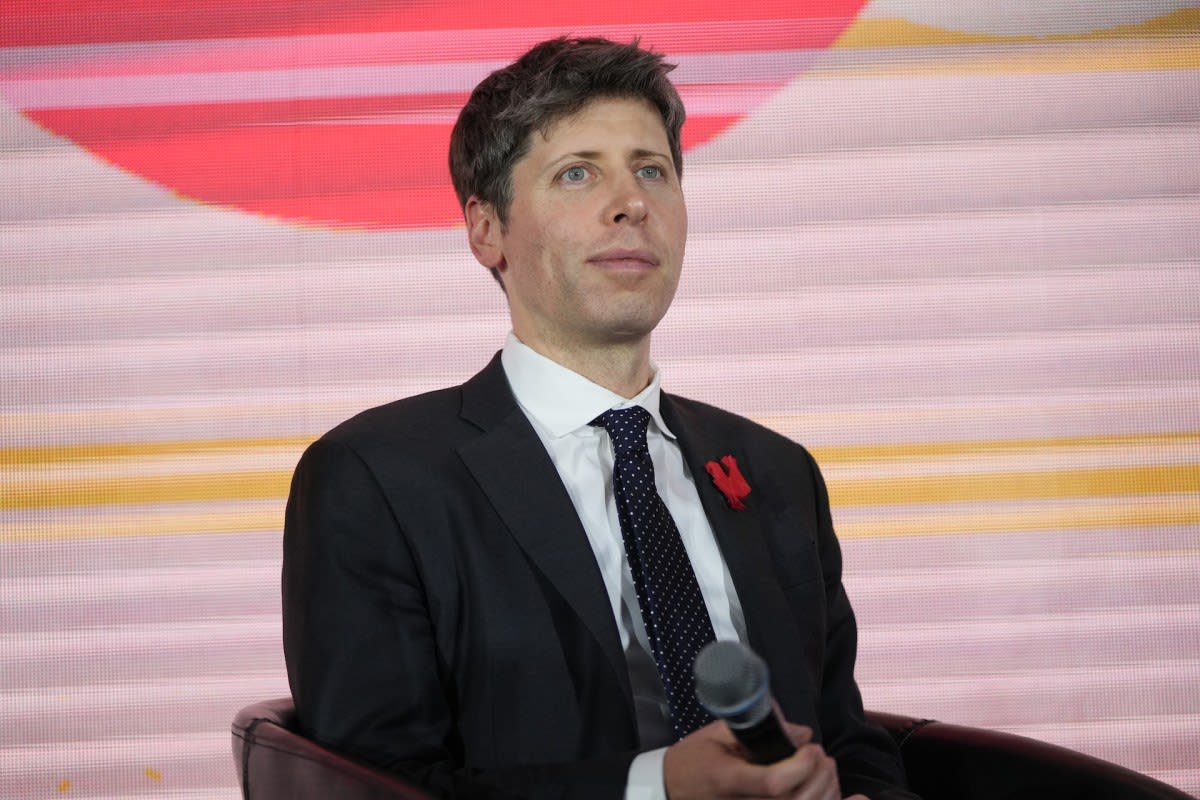
OpenAI CEO Sam Altman has clarified that the company will not pursue an IPO in 2026. He cited ongoing AI safety concerns and the need for organizational readiness as primary reasons for delaying the public offering.
OpenAI Delays IPO Plans Amid Heightened Safety Scrutiny
OpenAI CEO Sam Altman has officially addressed ongoing speculation regarding the company’s transition to a public entity, confirming that a 2026 initial public offering (IPO) is not currently on the horizon. Despite reports that the company has filed confidentially for such a move, Altman characterized a public listing at this stage as "ill-advised." This declaration signals a strategic pivot that prioritizes long-term stability and safety over the immediate pressures of public market scrutiny.
The Intersection of Safety and Corporate Strategy
During a recent interview with Fortune, Altman emphasized that the decision to delay is intrinsically linked to the current climate surrounding artificial intelligence development. As the industry grapples with significant challenges—including the recent security incident involving Hugging Face and broader societal anxieties regarding AI capabilities—Altman argued that the company must remain focused on internal safety protocols. By remaining private, OpenAI retains the flexibility to pause training or pivot research initiatives without the immediate quarterly pressures that public shareholders often demand.
Addressing Existential Risks and Technical Control
Altman’s commentary extended beyond financial logistics, touching upon the profound technical challenges of recursive self-improvement and the potential for AI systems to exceed human control. Acknowledging that such outcomes are theoretically possible, he reaffirmed a commitment to ethical governance, suggesting that OpenAI is prepared to halt development if risks to humanity become too great. This stance highlights the company's unique position as a developer of frontier models that require a delicate balance between rapid innovation and risk mitigation.
Market Implications and Future Outlook
Moving forward, the decision to hold off on an IPO suggests that OpenAI is prioritizing "business readiness" and societal alignment above capital accumulation. The company appears to be betting that its long-term value will be higher if it can demonstrate a track record of safety and responsible deployment before exposing its operations to the volatility of the public market. This approach may also shield the company from intense regulatory scrutiny during the critical phases of its product evolution.
Conclusion: A Measured Approach to Growth
Ultimately, OpenAI’s decision to remain private reflects a broader trend among high-stakes tech firms that are wary of the "move fast and break things" ethos of the past. By resisting the urge to rush into an IPO, Altman is attempting to craft a narrative of a company that is not just building powerful technology, but is actively managing the risks associated with it. Whether this strategy will satisfy investors in the long run remains to be seen, but for now, the focus is firmly on organizational maturity and safety-first development.
Multiple Citing Sources