'Skimpflation' warning as tinned mackerel alternative hits more supermarket shelves
Source Entity
BBC News
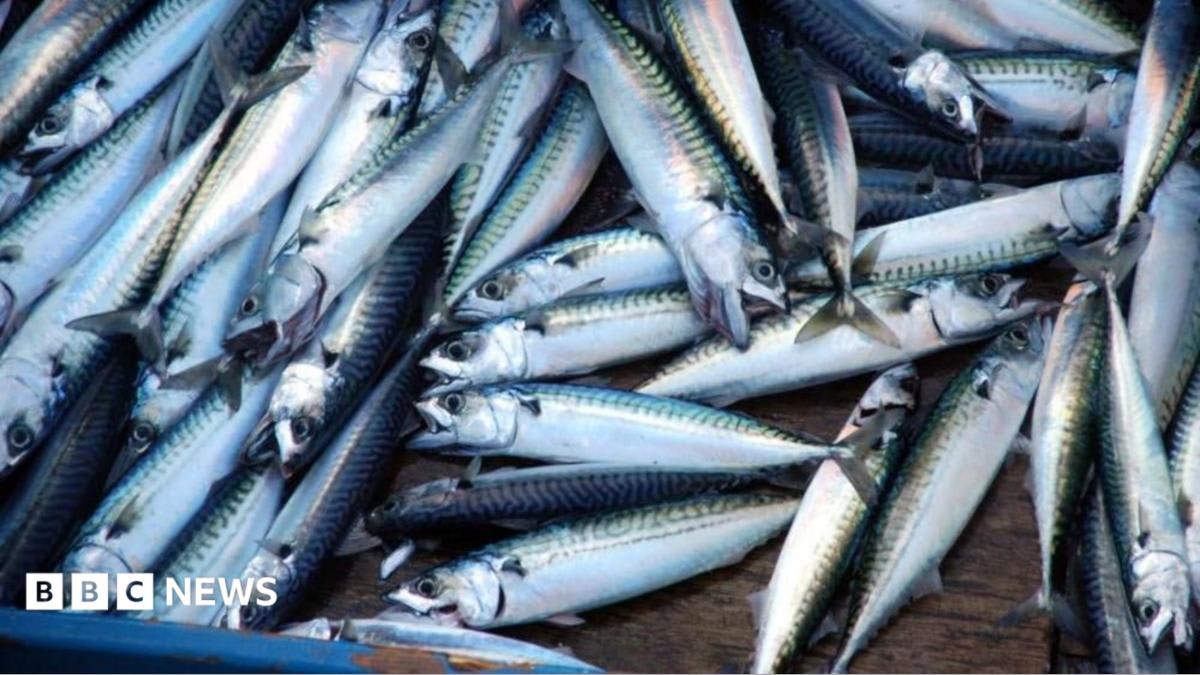
Supermarkets are increasingly replacing Atlantic mackerel with cheaper jack mackerel, a practice labeled as 'skimpflation' by consumer group Which?. This shift, driven by overfishing and cost-cutting, provides significantly less nutritional value to consumers while maintaining similar price points.
The Rise of Skimpflation in the Grocery Aisle
The phenomenon of 'skimpflation' has recently entered the public discourse as consumer watchdog group Which? identified a concerning trend regarding tinned fish products. Major suppliers, including Princes, have begun substituting Atlantic mackerel with jack mackerel, a different species that is significantly cheaper to source. This practice, also observed in products sold at Lidl, is being highlighted as a prime example of how manufacturers are quietly downgrading the quality of everyday pantry staples without necessarily lowering the cost to the end consumer.
The Nutritional Disparity
At the heart of the controversy is the stark difference in nutritional density between the two species. According to industry analysis, jack mackerel contains approximately half the omega-3 fatty acids found in the standard Atlantic mackerel. By replacing the primary ingredient with a less nutritious alternative, manufacturers are effectively reducing the health benefits that shoppers expect when purchasing staple goods. As Sue Davies of Which? noted, this is a significant concern because consumers are paying equivalent prices for products that no longer deliver the same health value.
Ecological Drivers and Market Pressures
The shift toward jack mackerel is not occurring in a vacuum; it is a direct response to the ecological crisis facing our oceans. Years of systematic overfishing have severely depleted Atlantic mackerel stocks, forcing suppliers to seek more sustainable or abundant alternatives. Chilean jack mackerel, being far more plentiful and costing a third of the price of the traditional variety, offers a convenient financial buffer for manufacturers struggling with supply chain volatility and rising commodity costs.
The Transparency Gap
While the substitution may be a response to environmental necessity, the lack of consumer clarity remains a point of contention. When brands make these changes quietly, it obscures the reality that the product has been fundamentally altered. This 'skimpflation' strategy creates an information asymmetry where the consumer remains unaware that the nutritional profile of their purchase has been compromised, despite the branding and packaging remaining largely consistent with the original product.
Future Trends and Consumer Protection
Looking ahead, this development signals a broader trend where food manufacturers may increasingly rely on ingredient swaps to protect profit margins against inflation. As natural resources become scarcer due to climate change and overfishing, the pressure to find cheaper, less nutrient-dense substitutes will likely persist. This necessitates a more robust regulatory framework to ensure that packaging clearly reflects these changes, allowing consumers to make informed decisions about the nutritional quality of the food they buy.
Conclusion
The transition from Atlantic to jack mackerel serves as a case study in the modern challenges of food security and corporate transparency. While ecological sustainability is an important goal, it should not come at the expense of nutritional integrity. As the industry moves forward, the pressure will be on retailers and manufacturers to prioritize honesty in labeling, ensuring that the term 'skimpflation' does not become a permanent fixture of the modern shopping experience.