Operation Gaja in Karnataka: People protest in Mudigere, observe bandh
Source Entity
India Latest News: Top National Headlines Today & Breaking News | The Hindu
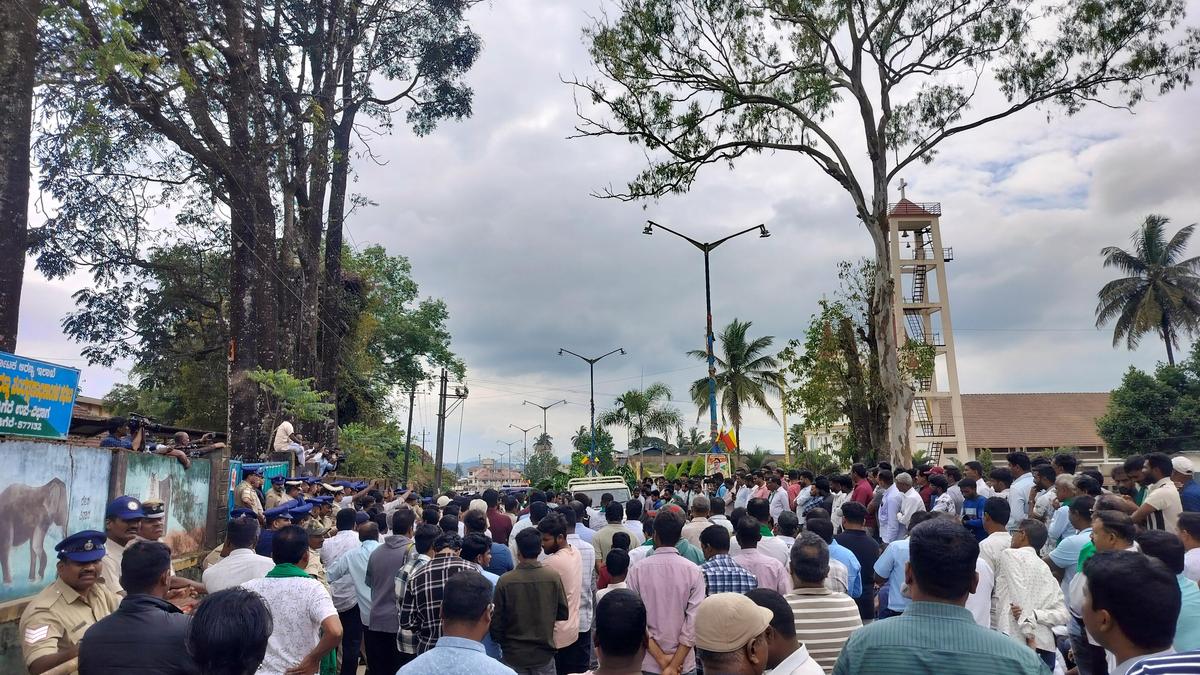
Residents in Mudigere organized a total bandh to protest the Forest Department's 'Operation Gaja,' a relocation drive for wild elephants. The operation follows fatal elephant attacks in Belur, triggering significant public concern over the displacement of these animals.
The Conflict Over Operation Gaja in Karnataka
The Catalyst: Safety Concerns and Human-Wildlife Conflict
Operation Gaja was initiated by the Karnataka Forest Department as a direct response to a surge in human-wildlife conflict in the Belur taluk of the Hassan district. The urgency of this initiative stems from the tragic loss of two human lives in separate elephant attacks. Such incidents highlight the intensifying struggle between expanding human settlements and the natural migratory corridors of wild elephants, a recurring issue in regions bordering protected forests.
The Objectives of the Relocation Drive
The core strategy of Operation Gaja involves the systematic relocation of approximately 56 elephants. The Forest Department aims to guide these animals away from human-dominated landscapes in Belur and toward the Bhadra Wildlife Sanctuary. This strategy is intended to create a buffer zone that protects both the local agricultural community and the elephant populations, preventing further fatal encounters while attempting to restore the animals to a more suitable, protected habitat.
The Public Backlash and the Mudigere Bandh
The announcement of the relocation drive faced immediate and widespread resistance in Mudigere. On Wednesday, the town observed a near-total bandh, reflecting deep-seated local concerns regarding the potential impact of moving such a large number of elephants into or through their vicinity. The protest saw broad participation, including political parties, farmers' organizations, and local business associations, all uniting to voice their opposition to the Forest Department’s methodology.
Economic and Social Disruption
The impact of the protest was significant, effectively bringing daily life in Mudigere to a standstill. From 6 a.m., commercial activity ceased as shops and hotels remained shuttered. The transportation sector was notably affected, with autorickshaw associations joining the strike, leaving stands empty. The disruption extended to the educational sector, where private institutions preemptively declared holidays, and government schools were forced to close early, causing considerable inconvenience to students traveling from rural areas.
Broader Implications and Future Trends
The situation in Mudigere underscores the complexities of wildlife management in India. While the Forest Department operates under a mandate to ensure public safety, local communities often fear that relocating elephants may inadvertently shift the risk of conflict rather than resolve it. As urban and agricultural expansion continues, the tension between conservation efforts and human security will likely remain a critical policy challenge. The success of future operations will depend on more collaborative efforts, transparent communication between authorities and local stakeholders, and science-based mitigation strategies that address the root causes of habitat encroachment.
Verification Required?