A room for one’s own: Libraries offer space to read, reflect & socialise
Source Entity
The Indian Express
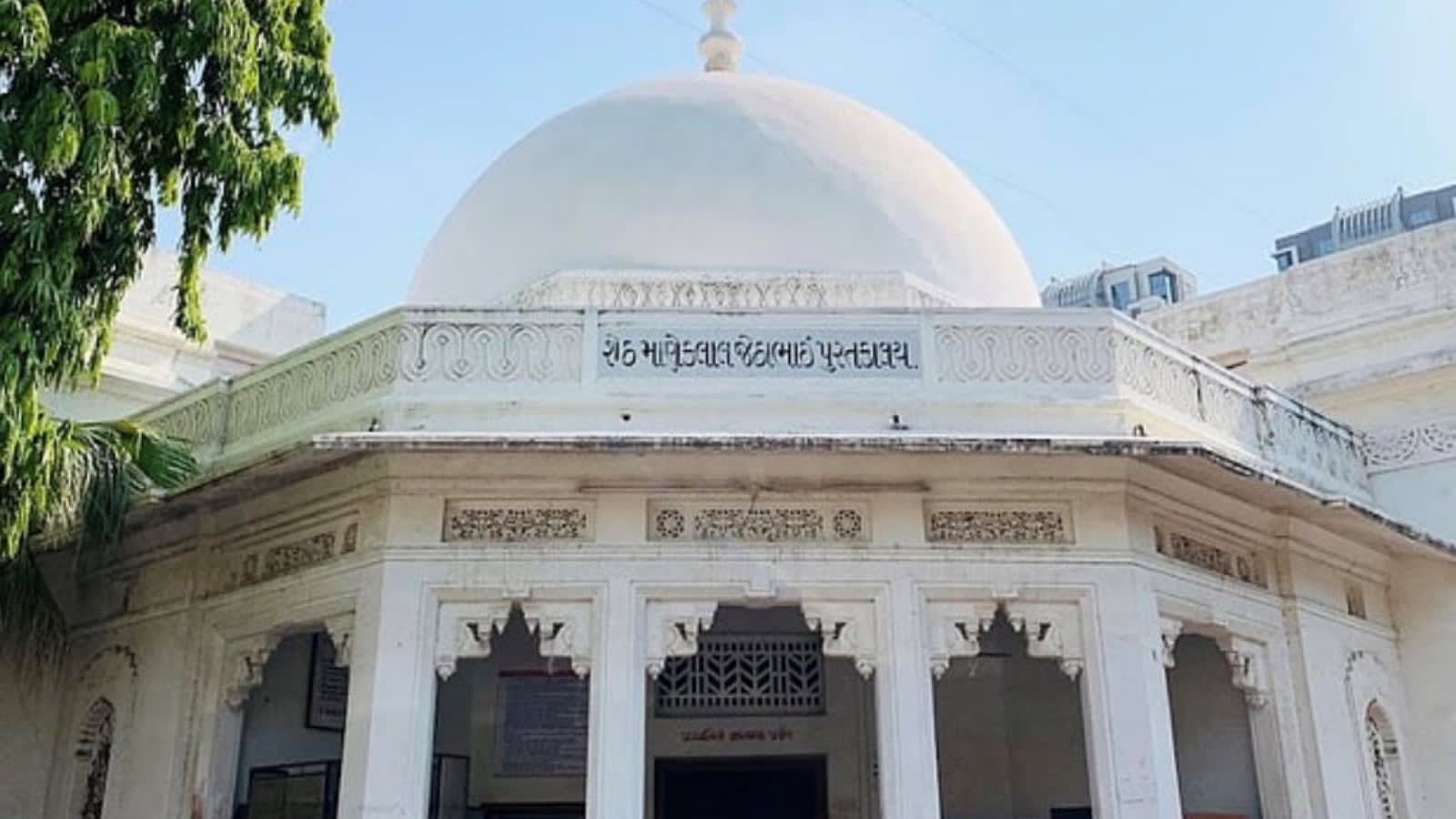
Despite the digital age, traditional libraries remain vital hubs for students and readers seeking quiet, focused environments. Institutions like the historic MJ Library continue to foster intellectual growth and community connection.
The Resilient Appeal of Traditional Libraries
In an era dominated by instantaneous digital access and the ubiquitous nature of e-books, the enduring relevance of physical libraries presents a fascinating cultural paradox. As evidenced by the experience of Riddhi Chauhan, a 24-year-old civil services aspirant, the library serves not merely as a repository for information, but as a critical psychological space. For students facing the intense monotony of competitive exam preparation, the library provides a sanctuary that bridges the gap between structured academic rigor and the need for intellectual stimulation through literature.
The Psychology of 'Quiet Spaces'
The necessity for physical, quiet spaces is becoming increasingly pronounced in urban environments. Riddhi’s daily 5-km commute from Kankaria to the library underscores a significant trend: individuals are willing to invest time and effort to escape the 'hullabaloo' of modern domestic and hostel life. These libraries offer a controlled environment that minimizes distractions, allowing for a level of focus that is often difficult to replicate in the chaotic settings of private residences or shared living quarters. By providing a dedicated space for reflection, these institutions remain essential for cognitive health and productivity.
Historical Legacy and Institutional Value
The MJ Library, now 88 years old, stands as a testament to the vision of Mahatma Gandhi, who contributed 7,000 books from his personal collection to its inception. This historical pedigree highlights that libraries in India were conceived as foundational pillars for community building and democratic access to knowledge. Such institutions are not just relics of the past; they are active hubs that facilitate social cohesion, bringing together the young, who are often preparing for their futures, and the elderly, who maintain a lifelong engagement with reading.
Balancing Tradition with Modern Aspirations
The act of choosing a Gujarati novel like Panna Trivedi’s Chaand ke Paar as a 'light read' before diving into dense study materials reveals how libraries support a balanced intellectual diet. While digital resources provide speed, libraries provide context, atmosphere, and a community of like-minded individuals. This synergy between traditional literary appreciation and modern career goals suggests that libraries are evolving rather than declining.
Future Trends in Community Learning
Looking ahead, the role of the library is shifting toward becoming a 'third space'—a location outside of work and home that fosters identity and focus. As urban density increases and housing spaces become smaller, the demand for public, quiet reading spaces will likely grow. The success of institutions like the MJ Library suggests that future urban planning must prioritize the preservation and expansion of these spaces to ensure that the next generation of students has the resources required for both academic success and personal enrichment.