Supreme Court seeks UP response to plea against Allahabad HC’s hijab ruling
Source Entity
The Indian Express
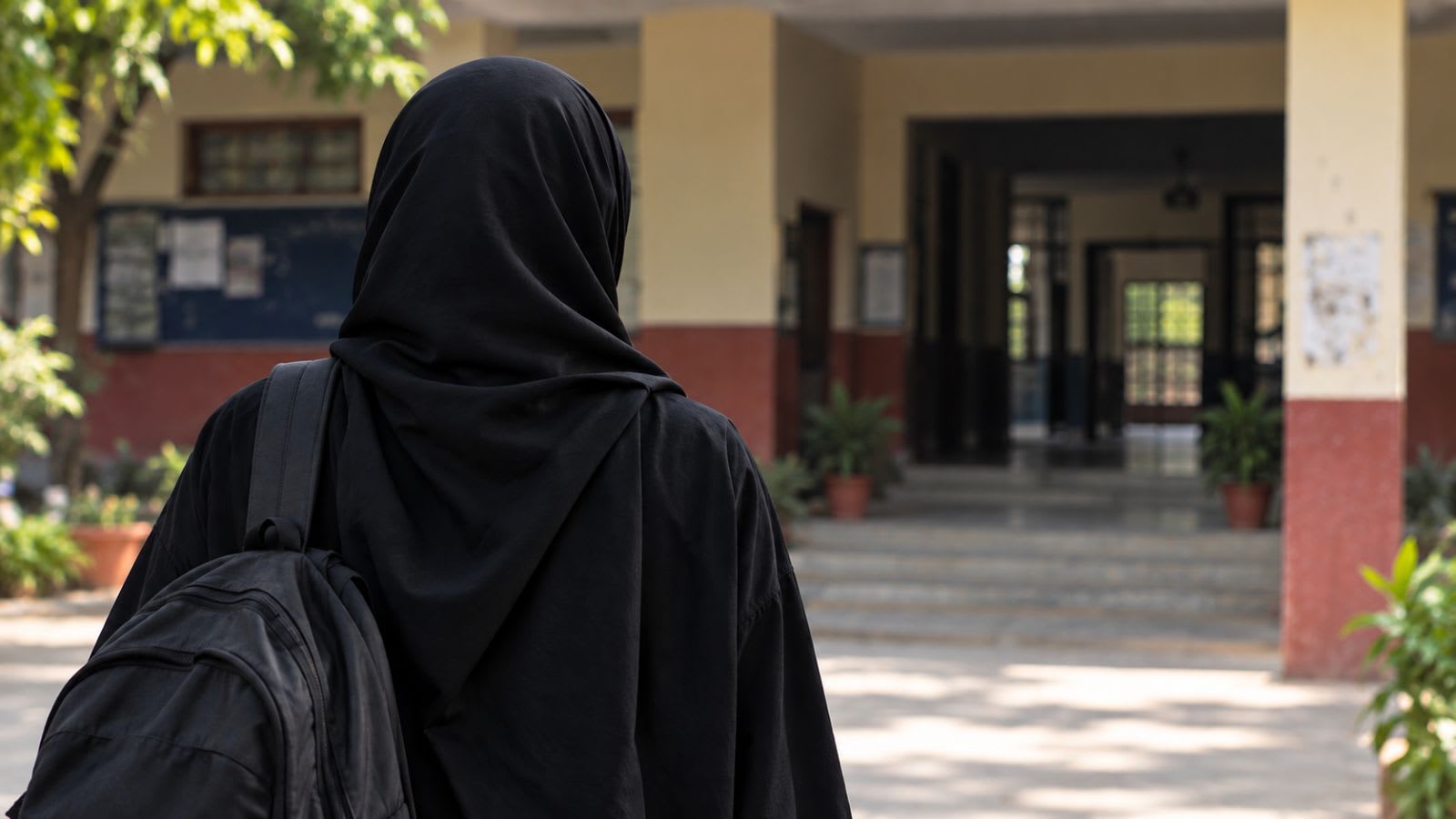
The Supreme Court has challenged an Allahabad High Court ruling on hijab, while simultaneously quashing a UPPSC recruitment result regarding reservation policies. Both cases highlight significant legal tensions involving constitutional rights and administrative procedures in Uttar Pradesh.
Legal Scrutiny in Uttar Pradesh: Hijab and Recruitment Controversies
Recent judicial developments in Uttar Pradesh have placed the Allahabad High Court’s recent rulings under intense scrutiny by the Supreme Court of India. The apex court has intervened in two distinct yet significant matters: the legal status of the hijab in educational institutions and the administrative protocols governing public service recruitment. These interventions signal a period of legal recalibration as the judiciary seeks to clarify the boundaries of constitutional rights and state-level policy implementation.
The Hijab Debate: Judicial Precedent and Religious Practice
The Supreme Court’s decision to issue a notice to the Uttar Pradesh government regarding the Allahabad High Court’s August 2026 judgment marks a pivotal moment in the ongoing national discourse on religious expression. By explicitly stating that the High Court’s ruling—which deemed the hijab as not an essential religious practice—should not be treated as a precedent, the Supreme Court has effectively signaled caution. This move avoids a blanket application of the High Court's logic while the matter remains tethered to the broader, pending Karnataka hijab case, which previously resulted in a split verdict in 2022.
Implications of the 'Essential Practice' Doctrine
The debate over whether the hijab constitutes an 'essential religious practice' is central to balancing individual freedom of expression with institutional discipline. The case originated from a student’s request to wear a headscarf alongside the prescribed school uniform. By tagging this appeal with the Karnataka matter, the Supreme Court aims to achieve a uniform legal standard that prevents fragmented judicial interpretations across various states, ensuring that fundamental rights are interpreted consistently across the country.
UPPSC Recruitment: Merit and Reservation Standards
In a separate but equally consequential move, the Allahabad High Court quashed the 2025 Assistant Prosecution Officer (APO) preliminary results, citing a breach of reservation norms. The court ruled that the Uttar Pradesh Public Service Commission (UPPSC) acted beyond its legislative competence by excluding meritorious reserved category candidates from the unreserved category list. This ruling reinforces the principle that the 'unreserved' category is fundamentally merit-based and open to all, regardless of social background.
The Intersection of Merit and Social Justice
This ruling serves as a stern reminder to state recruitment bodies that administrative policies cannot override constitutional mandates regarding reservation. The court’s directive to re-conduct the mains examination underscores the necessity of procedural integrity in government hiring. By protecting the rights of high-performing candidates from reserved categories to compete in the open category, the judiciary is ensuring that the spirit of meritocracy is upheld alongside the constitutional guarantee of social equity.
Future Trends in Indian Jurisprudence
Looking ahead, these cases suggest a growing judicial trend of strictly monitoring state-level administrative and legal decisions to ensure they align with constitutional values. As the Supreme Court continues to review these matters, the focus will remain on balancing state power with the protection of individual rights. The eventual resolution of these cases will likely establish lasting frameworks that will govern both school disciplinary policies and the mechanisms of public service recruitment in India for years to come.