Pakistan PM Shehbaz Sharif says renewed tensions in West Asia could hit economy again
Source Entity
The Indian Express
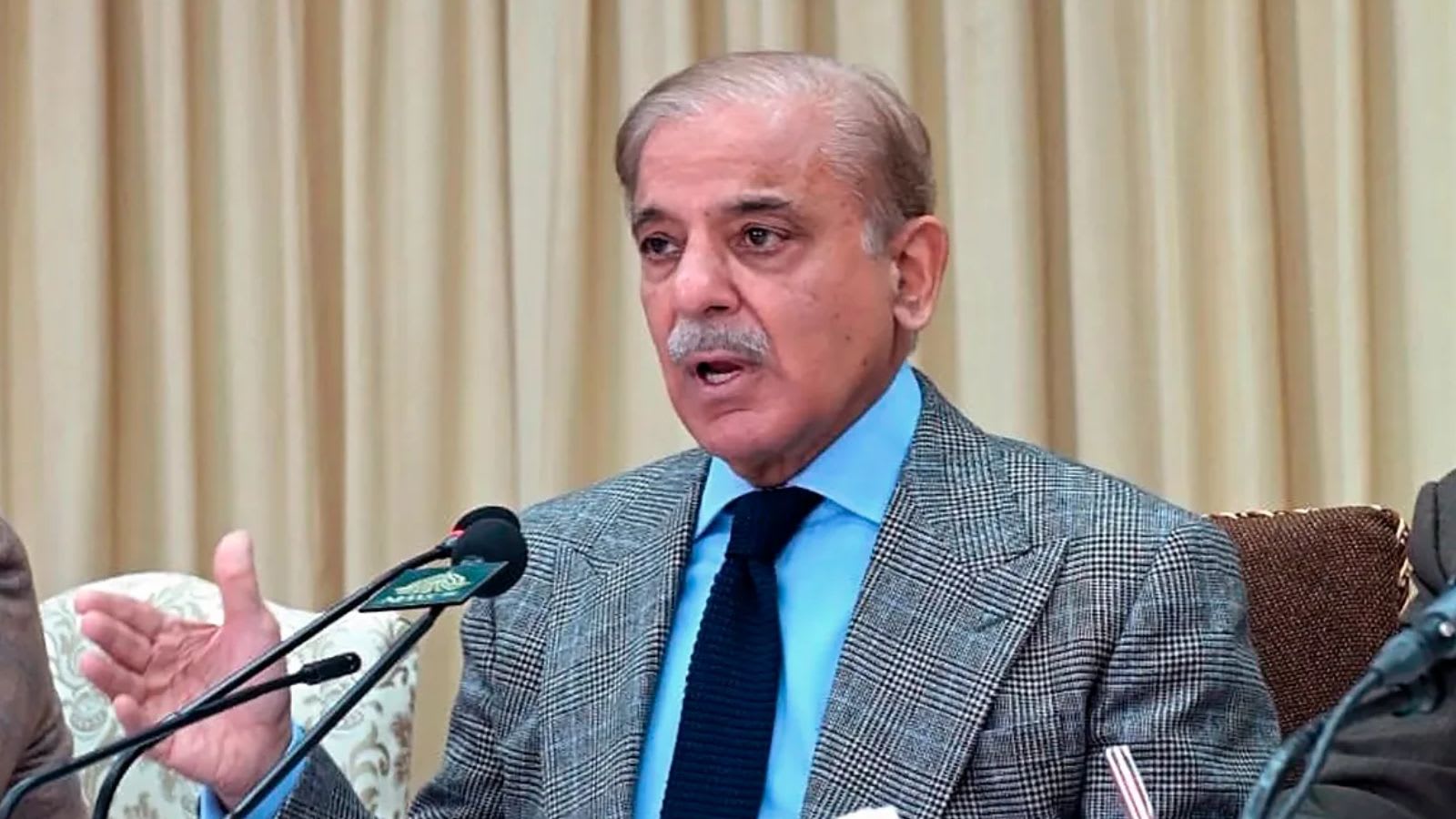
Pakistan Prime Minister Shehbaz Sharif has expressed concern that escalating conflict in West Asia could destabilize the nation's economy. He has ordered officials to maintain high levels of preparedness and austerity to mitigate potential regional fallout.
Economic Vulnerability Amid Regional Conflict
Pakistan is currently navigating a precarious economic landscape as Prime Minister Shehbaz Sharif warns of potential instability stemming from the escalating conflict in West Asia. The Prime Minister’s recent remarks underscore the deep interconnection between regional geopolitical stability and the financial health of nations heavily reliant on global trade routes and energy imports. As the United States conducts consecutive waves of strikes against Iran, the resulting uncertainty poses a direct, systemic risk to Pakistan’s ongoing efforts to maintain economic equilibrium.
The Impact of Regional Instability
The volatility in West Asia acts as a force multiplier for economic distress in Pakistan. Disruptions in regional trade or energy supply chains often trigger inflationary pressures, affecting everything from fuel costs to the price of essential commodities. Prime Minister Sharif has explicitly identified this renewed conflict as a major risk factor, marking the second time since the outbreak of hostilities that he has urged for heightened caution in resource management. The administration is acutely aware that even peripheral involvement or regional instability can derail fragile recovery efforts.
Strategic Preparedness and Oversight
In response to these threats, Prime Minister Sharif has chaired high-level meetings to review the potential fallout of the ongoing tensions. A critical directive issued by the Prime Minister’s Office mandates that authorities maintain "full preparedness" to address any challenges that may arise from regional turbulence. This proactive stance is designed to ensure that the state can respond rapidly to supply chain shocks, financial market fluctuations, or sudden shifts in regional security dynamics that could impede domestic stability.
Austerity as a Shield
Central to the government’s mitigation strategy is a renewed focus on austerity and cost-cutting measures. During recent consultations, a comprehensive report on these measures was presented to the Prime Minister. By tightening fiscal control and optimizing national resources, the government aims to create a buffer against the external shocks of a widening war. This emphasis on fiscal discipline is a clear signal that the administration is preparing for a scenario where international economic conditions become significantly more hostile.
Future Outlook and Economic Resilience
While Prime Minister Sharif maintains that the national economy is currently stable, the path forward remains clouded by the unpredictable nature of the conflict in West Asia. The duration and intensity of the current US-led military actions will likely dictate the severity of the economic impact on Pakistan. Moving forward, the government’s ability to balance its internal fiscal austerity programs with external diplomatic pressures will be the defining factor in whether the nation can avoid a significant economic setback or successfully navigate the current geopolitical storm.