Akhilesh Yadav compares police action at Delhi protest to Emergency, says Pradhan’s exit saved PM
Source Entity
India Latest News: Top National Headlines Today & Breaking News | The Hindu
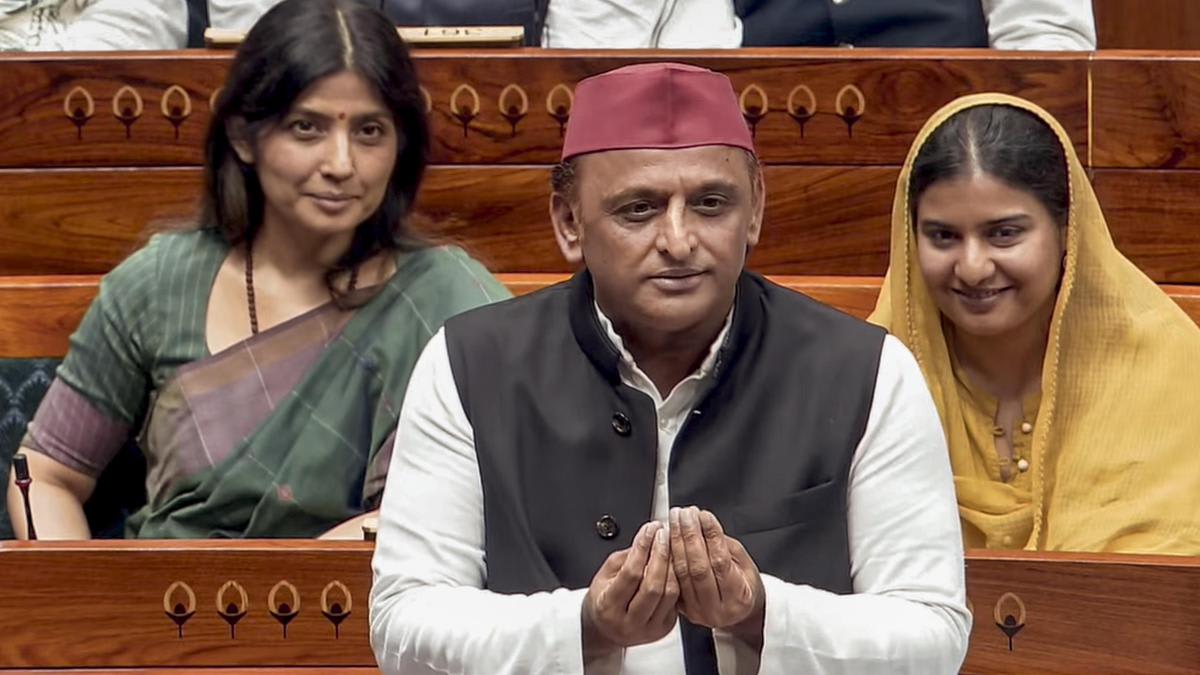
Parliamentary proceedings have been disrupted as the Opposition demands an apology from Home Minister Amit Shah over police action against student protesters. Simultaneously, the government has introduced a stringent anti-paper leak bill in the Lok Sabha, proposing harsher penalties following recent nationwide protests.
Parliamentary Gridlock and Legislative Reform: A Dual Crisis
The Indian Parliament is currently navigating a period of intense legislative friction, characterized by a complete breakdown in the Rajya Sabha and significant policy maneuvering in the Lok Sabha. As of July 27, 2026, the Rajya Sabha has faced six consecutive days of adjournments, effectively stalling the legislative agenda. At the heart of this paralysis is an unrelenting Opposition demand for an apology from Union Home Minister Amit Shah regarding police actions taken against students during the July 20 march to Parliament.
The Standoff in the Rajya Sabha
The deadlock in the Upper House has prevented the consideration of the Prevention of Insults to National Honour (Amendment) Bill, 2026. Despite efforts by Deputy Speaker Harivansh to move the agenda forward, Opposition members—including Pramod Tiwari, John Brittas, and Tiruchi Siva—have prioritized the issue of police conduct over legislative business. The refusal to engage in debate reflects a deep-seated mistrust and a demand for governmental accountability regarding the treatment of youth demonstrators.
Legislative Response to Student Unrest
Contrasting the stagnation in the Upper House, the Lok Sabha has seen the introduction of the Public Examinations (Prevention of Unfair Means) Amendment Bill, 2026. Minister of State for the Prime Minister’s Office, Jitendra Singh, has championed this bill as a necessary step toward safeguarding student welfare. By proposing a 10-year prison term and a Rs 50 lakh fine for those involved in paper leaks, the government is attempting to signal a hardline stance against examination malpractices that have fueled recent national protests.
Structural Reforms and Legal Implications
The proposed amendments represent a significant escalation in how the state manages examination integrity. Beyond the increased custodial sentences, the bill introduces a two-month cap on investigations and provides statutory backing for fast-track courts. These measures are designed to address the systemic delays that historically hampered justice in cases of examination fraud, reflecting the government's attempt to restore credibility following the political fallout of recent months.
Political Consequences and Future Outlook
The political landscape has already felt the impact of these protests, most notably with the resignation of Union Education Minister Dharmendra Pradhan. The rise of the Cockroach Janta Party (CJP) as a catalyst for these reforms underscores the shifting dynamics of youth-led activism in India. As the government attempts to pacify the public through legislative tightening, the ongoing demand for accountability from the Home Ministry suggests that the legislative session will likely remain volatile. The intersection of student welfare, police conduct, and national security legislation will continue to define the current parliamentary discourse.
Multiple Citing Sources
Verification Required?