'Delulu', 'Clock It': Gen Z Lingo Reaches Lok Sabha During Paper Leak Debate
Source Entity
NDTV News Search Records Found 1000
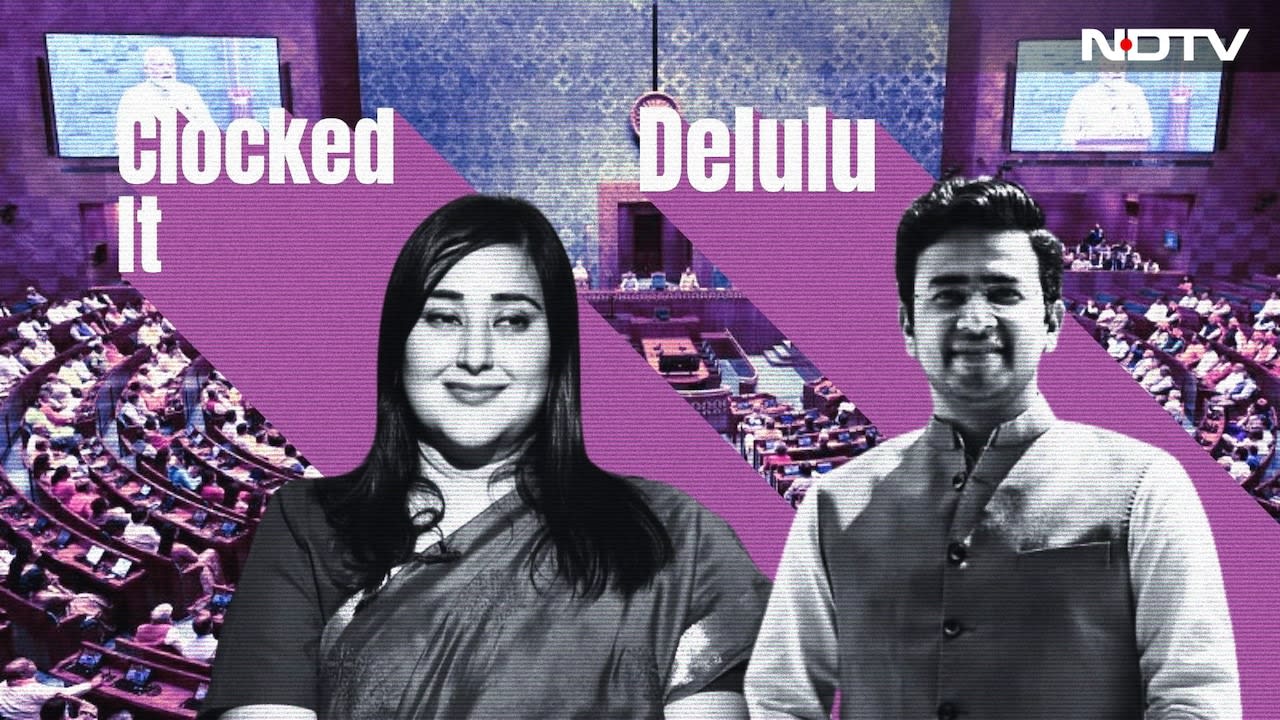
The Indian Parliament faces intense disruption as the Opposition demands an apology from Home Minister Amit Shah over police action against student protesters. Simultaneously, the government has introduced the stringent Public Examinations (Prevention of Unfair Means) Amendment Bill, 2026, to address widespread anger over paper leaks.
Parliamentary Deadlock and Legislative Response
The Indian Parliament is currently witnessing a period of significant legislative turbulence, characterized by a persistent deadlock in the Rajya Sabha and high-stakes lawmaking in the Lok Sabha. As of July 27, 2026, the Rajya Sabha has been adjourned for six consecutive days during the monsoon session, effectively halting all government business. The primary catalyst for this impasse is the Opposition’s unified demand for an apology from Union Home Minister Amit Shah regarding police actions taken against students during the July 20 march to Parliament.
The Legislative Impasse in Rajya Sabha
The legislative agenda, specifically the Prevention of Insults to National Honour (Amendment) Bill, 2026, has been completely sidelined. When Deputy Speaker Harivansh attempted to move the Bill—which seeks to elevate the status of the National Song to that of the National Anthem—Opposition members, including Pramod Tiwari, John Brittas, and Tiruchi Siva, voiced strong objections. Their refusal to engage with the legislative process underscores a deep-seated grievance over the alleged police excesses during the recent student protests, creating a standoff that prevents the government from passing its intended agenda.
Stringent Reforms for Examination Integrity
In parallel to the Rajya Sabha disruptions, the Lok Sabha has initiated a debate on the Public Examinations (Prevention of Unfair Means) Amendment Bill, 2026. Introduced by Minister of State for the Prime Minister’s Office, Jitendra Singh, the Bill represents a significant escalation in the government's efforts to curb examination malpractices. The proposed amendments aim to replace existing frameworks with much harsher penalties, including a 10-year prison term and a Rs 50 lakh fine for those involved in paper leaks. These measures are a direct response to the nationwide student unrest that has destabilized the education sector.
The Impact of Grassroots Pressure
The intensity of these legislative actions is a direct consequence of sustained public pressure. The Cockroach Janta Party (CJP) has emerged as a major political force, leading the protests against systemic paper leaks. Their influence is evidenced by the recent resignation of Union Education Minister Dharmendra Pradhan. This political shift highlights the government's vulnerability to youth-led movements and its subsequent pivot toward 'stringent' legal reforms as a mechanism to restore public trust.
Structural Changes to Legal Enforcement
Beyond mere sentencing, the 2026 Amendment Bill introduces structural changes to the judicial process for examination-related crimes. The bill mandates a two-month cap on investigations and provides statutory backing for fast-track courts. By introducing these time-bound constraints, the government aims to project a commitment to the 'welfare of students and youth.' However, the efficacy of these measures remains to be seen, as they are currently being debated against a backdrop of intense political polarization and ongoing calls for accountability regarding the treatment of protesters.
Conclusion: A Tense Political Future
As the monsoon session continues, the intersection of student advocacy and parliamentary gridlock remains the defining feature of the Indian political landscape. While the government attempts to stabilize the examination system through legislative reform, the Opposition’s focus on the accountability of the Home Ministry ensures that the session remains confrontational. The resolution of this crisis will likely depend on whether the government can address the demands for transparency regarding police conduct while simultaneously successfully navigating the passage of these critical education-related reforms.
Multiple Citing Sources
Verification Required?