A quiet coalition for multilateralism
Source Entity
Amrita Narlikar
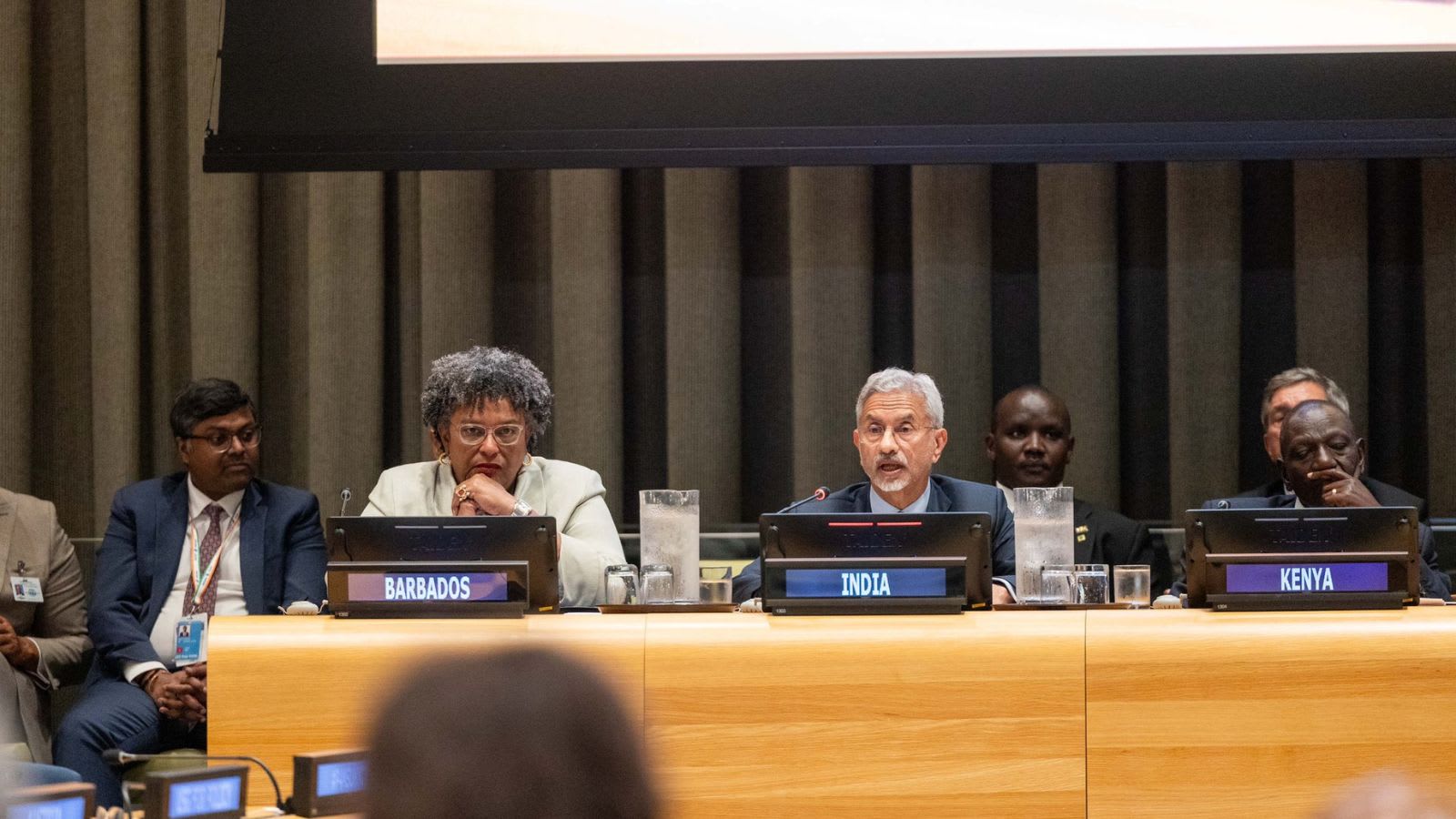
The newly launched Partners for Multilateralism (P4M) initiative seeks to revitalize international cooperation and the rule of law. Supported by a diverse coalition, the group aims to uphold global institutions despite increasing skepticism from major powers.
The Emergence of the Partners for Multilateralism (P4M)
During the high-level week of the 81st United Nations General Assembly (UNGA) in New York, a significant, albeit quiet, diplomatic development occurred with the launch of the Partners for Multilateralism (P4M). While global attention is often fixated on the theatrical confrontations of the main stage, the P4M represents a concerted effort to preserve the foundational structures of international governance. This coalition, co-sponsored by a diverse group of nations—Australia, Brazil, Barbados, Canada, the European Union, India, and Kenya—along with 18 additional signatories, signals a growing realization that the current international order requires proactive defense.
The Strategic Necessity of the Coalition
The necessity for the P4M stems from a period of profound instability within the international system. For decades, the United Nations and its affiliated institutions have served as the bedrock of global diplomacy. However, the P4M acknowledges that these institutions are currently under severe pressure. By formalizing a commitment to multilateral cooperation and the rule of law, the participating nations are positioning themselves as stakeholders who believe that global challenges, such as climate change and economic instability, cannot be solved through isolationism or unilateralism.
Navigating the Retreat of Traditional Guarantors
A critical component of the P4M's mandate is responding to the shifting attitudes of traditional global powers. The initiative highlights a troubling trend: the United States, historically the principal architect and guarantor of the post-WWII multilateral system, has increasingly moved toward rejecting these frameworks through both policy and rhetoric. As the U.S. distances itself from its foundational role, the P4M serves as a hedge against the resulting power vacuum, aiming to ensure that the rule-based order does not collapse in the face of domestic political shifts in major capitals.
A Diverse Global Representation
One of the most compelling aspects of the P4M is the geographical and political diversity of its co-sponsors. By bridging the gap between the Global North and the Global South—represented by nations ranging from Canada and Australia to Brazil, Barbados, and Kenya—the coalition demonstrates that the desire for a rules-based international order is not limited to any single geopolitical bloc. This inclusivity is vital; it provides the initiative with a level of legitimacy that could prove difficult for critics to dismiss as a Western-centric project.
Future Implications and Challenges
The P4M faces significant hurdles as it attempts to reinforce international institutions that are currently being undermined by major players. Its success will depend on whether this group of 25-plus nations can move beyond rhetorical commitments to exercise tangible diplomatic leverage. If they can successfully coordinate their voting patterns and policy stances, they may provide the necessary ballast to stabilize international organizations. Ultimately, the P4M represents a pivot toward 'minilateralism'—a strategy where smaller groups of committed nations act to protect the broader multilateral architecture when the larger global consensus falters.
Conclusion: A Quiet Defense of Stability
In conclusion, the launch of the Partners for Multilateralism is a quiet but vital response to the fracturing of the global order. While it may not generate the headlines of a UNGA speech, its long-term impact on the stability of international law and institutional cooperation could be profound. By asserting that the rule of law remains the most effective tool for international conflict resolution, the P4M provides a necessary, albeit difficult, path forward for a world currently grappling with the retreat of its traditional leaders.