Caroline Flack's brother 'never recovered' from her death, inquest hears
Source Entity
BBC News
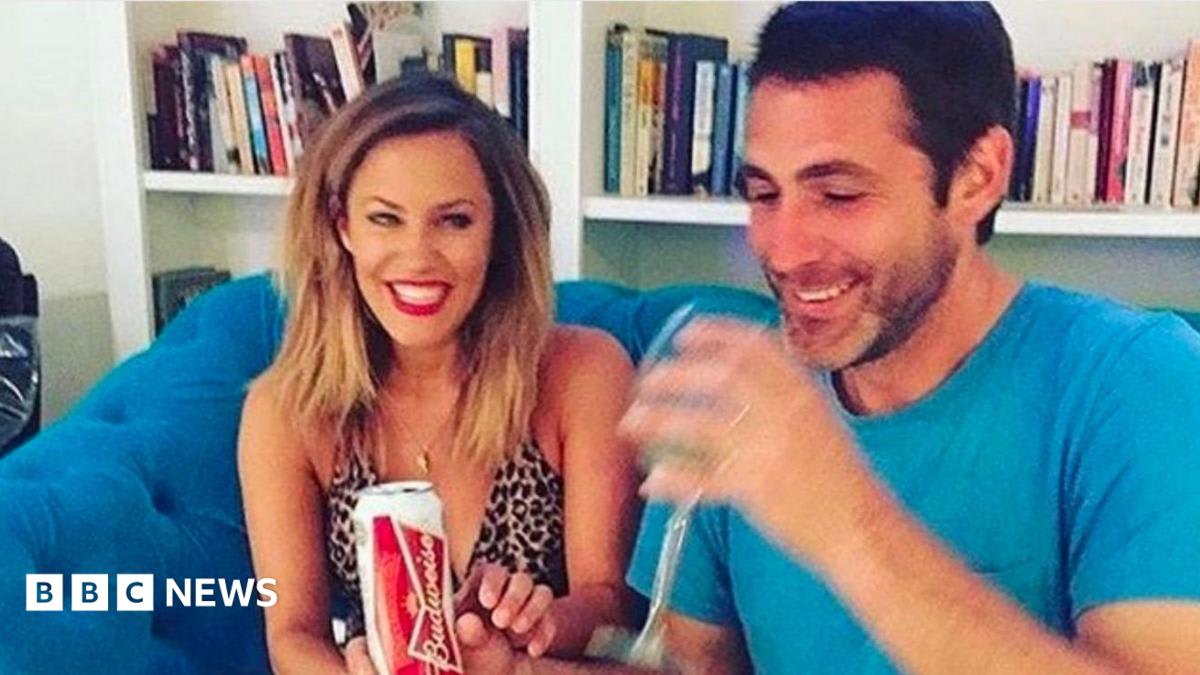
An inquest has concluded that Paul Flack, brother of the late TV presenter Caroline Flack, died by suicide following a prolonged struggle with grief. The coroner noted the profound toll the loss of his sister and his father’s illness took on his mental health.
The Tragic Aftermath of a High-Profile Loss
The recent inquest into the death of Paul Flack, brother of the late television presenter Caroline Flack, has shed light on the devastating and long-term ripple effects of public tragedy. Paul, 55, was found unresponsive at his home in Norwich on June 21 and subsequently passed away in the hospital. The narrative conclusion provided by Area Coroner Johanna Thompson confirms that while he was under the influence of alcohol, his specific intent remains unknown, marking a somber end to a life deeply impacted by familial loss.
A Cumulative Burden of Grief
According to testimony provided at the Norfolk Coroner's Court by his partner, Joanna Millington, Paul’s mental health had been in decline for years. He faced the immense difficulty of caring for his father as he battled dementia, a task that demanded significant emotional and physical resilience. This burden was compounded exponentially by the sudden and highly publicized death of his younger sister, Caroline Flack, in 2020. The inquest highlighted that Paul had never fully recovered from the trauma of losing his sister, who was a prominent figure in British media.
The Pressure of Being 'Everyone's Favourite'
Joanna Millington described Paul as "everyone's favourite person," a characterization that underscores the irony and weight often placed upon those who act as the emotional anchors for others. While he was known for his warmth and support, Millington noted that this constant role of being the reliable, steady presence "took its toll." This insight provides a poignant reminder of the hidden struggles faced by individuals who prioritize the well-being of others, often at the expense of their own mental health and coping mechanisms.
The Broader Context of Familial Trauma
Caroline Flack’s death in February 2020 was a shock to the entertainment industry and the public, leading to widespread discussions about the pressures of fame and media scrutiny. However, the tragedy of Paul Flack illustrates the private, enduring reality of grief that persists long after the headlines fade. When a family experiences the loss of a public figure, the surviving members often navigate a unique form of bereavement, where their personal pain is inextricably linked to a narrative defined by external observers.
Implications for Mental Health Awareness
This inquest serves as a sobering case study on the cumulative nature of bereavement. The combination of caregiving responsibilities and the unresolved trauma of a sibling's death creates a complex psychological environment. It highlights the critical need for robust support systems for families navigating high-profile losses, ensuring that those who appear to be the "strong ones" are also receiving the care and intervention they require to process their grief in a healthy manner.
Concluding Thoughts
The death of Paul Flack is a deeply unfortunate conclusion to a period of intense familial suffering. By formally acknowledging the toll that his sister's passing and his father's decline took on his life, the coroner has provided a measure of clarity for his loved ones. Ultimately, his story stands as a tragic testament to the profound, lingering impact of grief and the vital importance of recognizing the vulnerability that exists behind even the most steadfast individuals.