I want to pay off $4,500 in credit-card debt in 2 months. Is this possible?
Source Entity
Aditi Shrikant
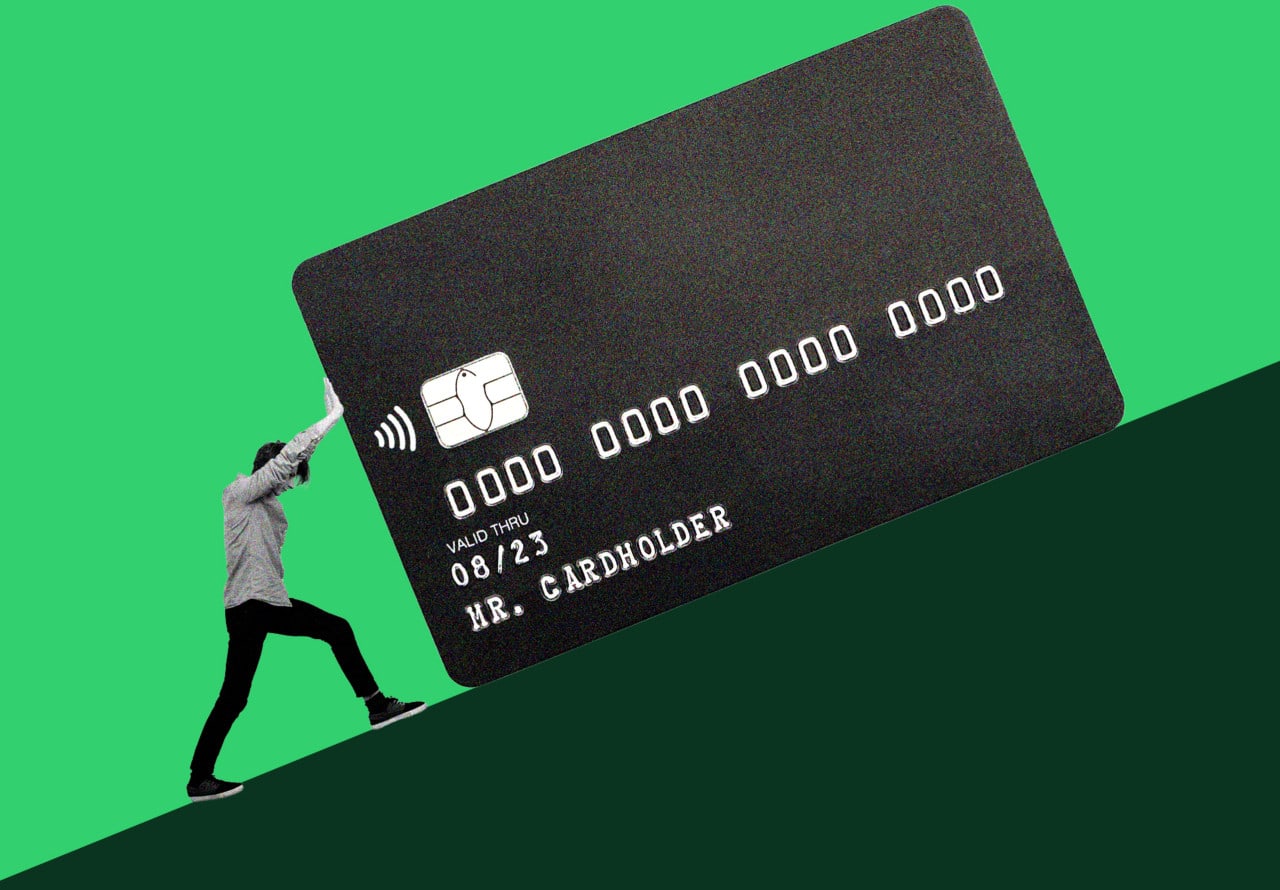
A 32-year-old individual is seeking a strategy to aggressively pay off $4,500 in credit card debt within a two-month timeframe. The request highlights common anxieties regarding financial literacy and the challenges of rapid debt repayment.
The Challenge of Aggressive Debt Repayment
The inquiry from a 32-year-old individual regarding the feasibility of clearing $4,500 in credit card debt within a mere 60-day window highlights a common intersection of financial pressure and personal development. At this age, many professionals experience a heightened sense of urgency to rectify past financial choices, often fueled by societal expectations that one should possess complete mastery over personal finance by their thirties. This specific goal of eliminating a $4,500 balance in just two months requires a rigorous examination of cash flow, budgeting, and potential lifestyle adjustments.
Analyzing the Feasibility
To pay off $4,500 in two months, one would need to allocate $2,250 per month specifically toward debt service. For many, this amount exceeds the average monthly surplus after accounting for essential living expenses like rent, utilities, and groceries. The feasibility of this plan hinges entirely on the individual's disposable income. If the debt-holder cannot generate this surplus through their standard salary, they must explore aggressive secondary income streams, such as freelance work or selling high-value assets, or potentially look into debt consolidation options to lower interest rates during the repayment period.
The Psychological Burden of Debt
The user’s admission that they “feel like they should know how to do this stuff by now” reflects a widespread issue regarding the lack of formal financial education. Many adults reach their thirties without having received structured guidance on debt-to-income ratios, the compounding nature of credit card interest, or the psychological toll of carrying consumer debt. This self-imposed pressure often acts as a double-edged sword; while it can serve as a powerful motivator to change habits, it can also lead to “financial shame,” which sometimes prevents individuals from seeking the professional help or debt counseling they need.
Broader Economic Implications
Credit card debt remains a significant hurdle for the millennial demographic, who often navigate the compounding pressures of student loans and rising living costs. When an individual attempts to clear a debt of this size in such a short timeframe, it signifies a desire to regain financial agency. However, the broader economic context suggests that relying on short-term sprints to fix debt can be unsustainable if the underlying spending habits or budgetary frameworks are not addressed. A long-term shift toward a sustainable emergency fund and a zero-based budget is often more effective than a high-intensity, short-term repayment plan.
Future Trends and Recommendations
Looking forward, the trend toward “financial wellness” is growing, with more people utilizing digital tools to track their progress. For someone in this situation, the most effective path forward involves a three-pronged approach: auditing current monthly expenses, maximizing income through temporary measures, and negotiating with creditors for lower interest rates. While clearing $4,500 in two months is mathematically possible for high-earners, the true success lies in the behavioral change that prevents the debt from accumulating again in the future. By reframing the narrative from “I should know this” to “I am learning how to manage this,” the individual can transform a stressful situation into a foundational moment for long-term fiscal health.
Verification Required?