Pete Hegseth Estimates Iran War Has Cost $37.5 Billion So Far
Source Entity
NDTV News Search Records Found 1000
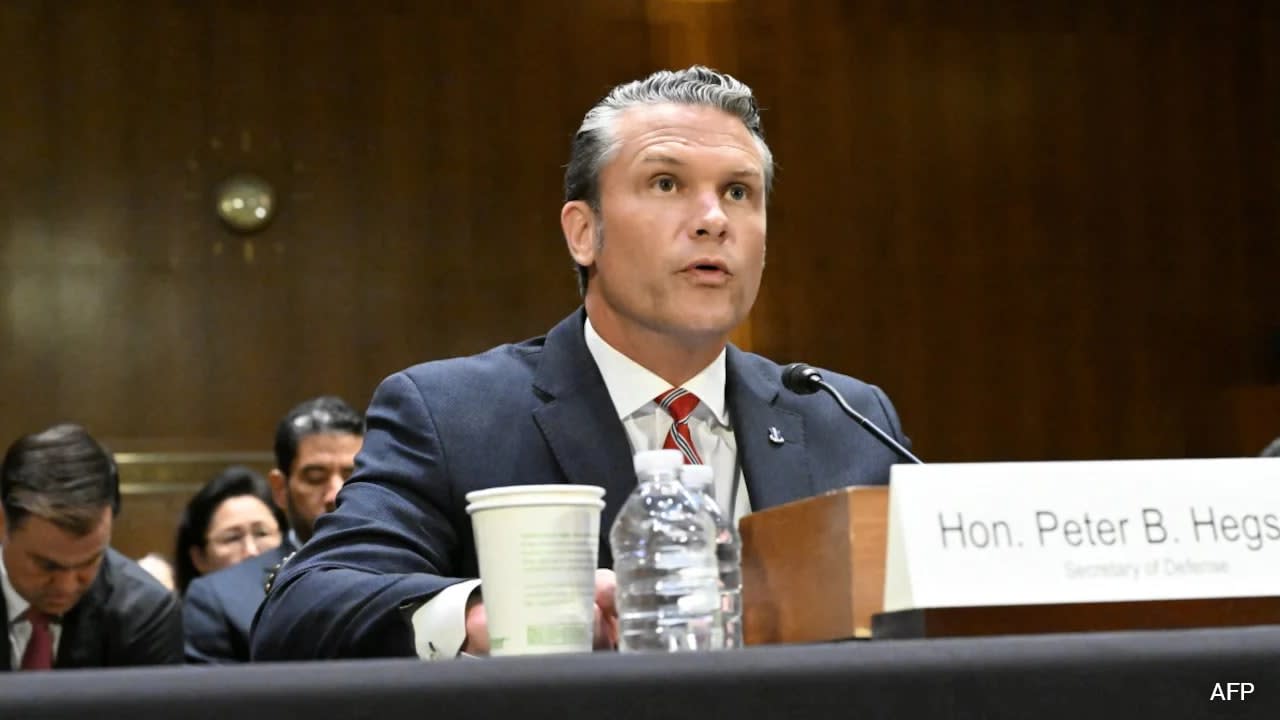
Defense Secretary Pete Hegseth has reported that the ongoing conflict with Iran has reached a cost of $37.5 billion. Amidst escalating military exchanges, Hegseth is urging Congress to approve additional funding to prevent critical operational shortfalls.
The Escalating Economic and Military Cost of the Iran Conflict
Defense Secretary Pete Hegseth recently disclosed that the ongoing military engagement between the United States and Iran has reached a significant fiscal milestone, with costs escalating to $37.5 billion. This figure represents a notable increase from the $29 billion estimate provided in mid-May, underscoring the accelerating financial burden of sustained combat operations. As the conflict enters a more intense phase, the rapid depletion of resources highlights the high-stakes nature of this geopolitical standoff.
Current Military Dynamics
The financial surge coincides with a period of heightened kinetic activity in the Middle East. With the United States entering its 10th consecutive day of strikes, Iran has engaged in reciprocal actions against both American forces and regional allies. This cycle of retaliation suggests a volatile security environment where both parties are locked in a persistent exchange, further complicating the logistical and strategic requirements for the U.S. Department of Defense.
Congressional Scrutiny and Funding Requests
During recent testimony, Secretary Hegseth faced pushback from senators regarding his latest funding request. The legislative skepticism reflects the broader political tension surrounding the war, as lawmakers weigh the necessity of military intervention against the mounting national debt. Hegseth underscored the urgency of the situation, characterizing the current climate as a 'dangerous world' that demands 'bold and swift action' to maintain American strategic interests.
Operational Risks and Resource Management
The Secretary warned that a failure to secure additional appropriations would lead to critical shortfalls that jeopardize military readiness. Specifically, Hegseth noted that current funding constraints threaten the ability of the Department of Defense to pay service members, replenish depleted munitions, and sustain continuous operations. These logistical pressures illustrate the strain that prolonged, high-intensity conflict places on the U.S. military-industrial complex.
Strategic Imperatives and Future Outlook
Hegseth’s argument centers on the necessity of maintaining 'lethality' to prevent adversaries from outpacing American capabilities. By framing the funding request as a preventative measure against future threats, the administration is attempting to justify the massive influx of capital into the war effort. As the conflict continues to evolve, the ability of the U.S. to balance these immediate fiscal requirements with long-term defense sustainability will remain a primary focus for both policymakers and the public.
Multiple Citing Sources
Verification Required?