In 2025, a study reported PFAS levels in the Rio Grande rose 11.5-fold downstream of Albuquerque, from 4 to 46 ng/L in 2020–24 samples
Source Entity
Latest News: Todays Latest News Headlines from India & World | Hindustan Times
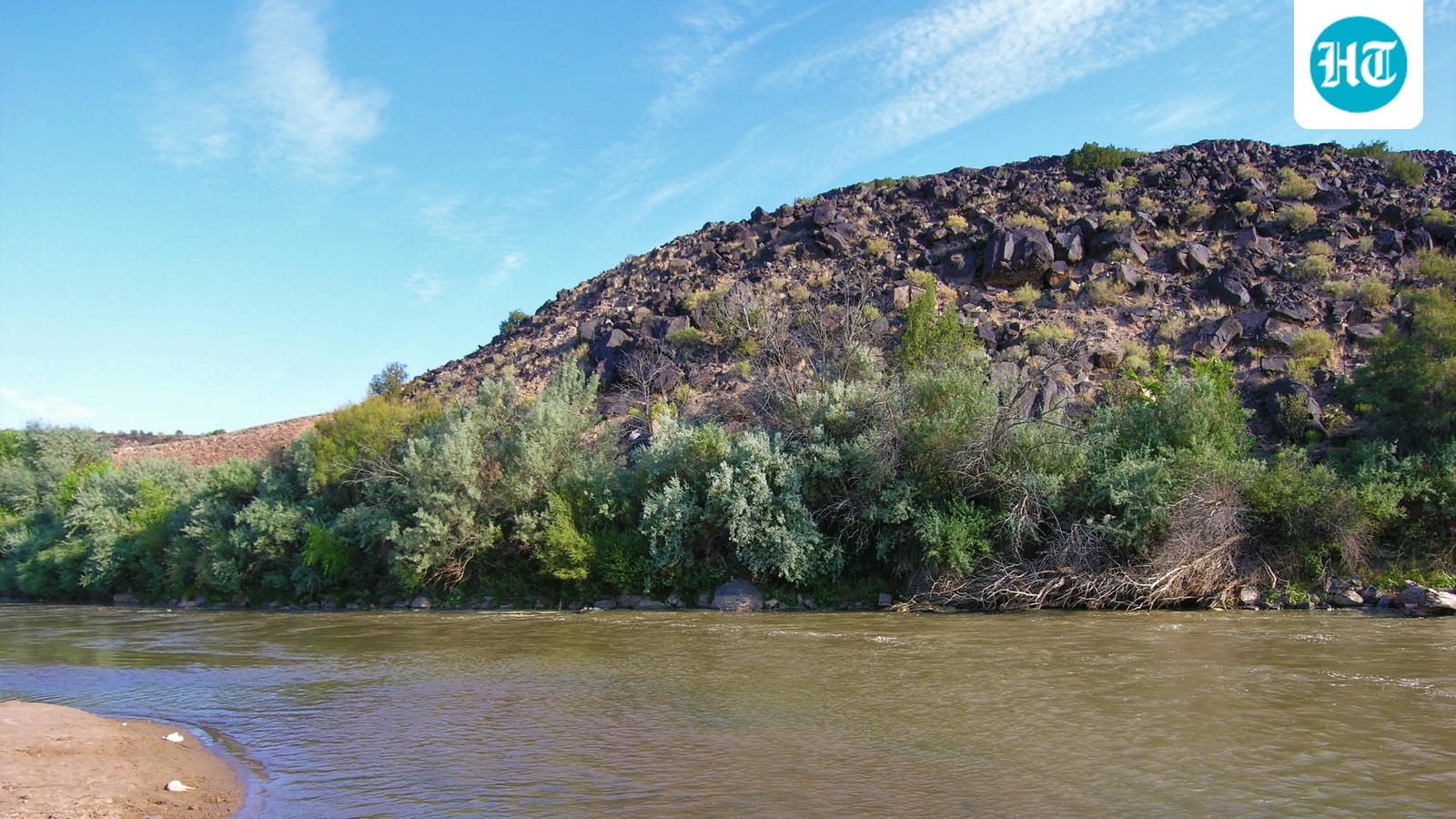
A 2025 study reveals that PFAS concentrations in the Rio Grande near Albuquerque surged 11.5-fold, rising from 4 to 46 ng/L between 2020 and 2024. Researchers identified urban runoff, wastewater, and stormflow as primary drivers of this significant chemical contamination.
The Rising Tide of PFAS in the Rio Grande
A significant environmental concern has emerged in New Mexico following the publication of a 2025 study in Water Environment Research. The data indicates a stark 11.5-fold increase in per- and polyfluoroalkyl substances (PFAS) in the Rio Grande as it flows through Albuquerque. Between 2020 and 2024, average concentrations surged from 4 nanograms per liter (ng/L) to 46 ng/L, highlighting a growing threat to water security in the region.
Identifying the Sources of Contamination
The research, which builds upon broader investigations conducted by the U.S. Geological Survey, points to a complex web of contamination vectors. Kimberly R. Beisner’s analysis of 28 different PFAS compounds across eight major rivers provides the necessary context to understand this localized spike. In the case of the Rio Grande, the study identifies urban runoff, wastewater inputs, and atmospheric deposition through rainfall as primary contributors to the elevated levels.
The Role of Stormflow and Urbanization
One of the most alarming findings is the role of weather patterns in chemical transport. The study explicitly links stormflow events to a 58% increase in PFAS concentrations. As urban surfaces in Albuquerque capture pollutants and flush them into the river system during rain events, the concentration of these 'forever chemicals' rises dramatically. This underscores the challenges of managing water quality in a growing metropolitan area where infrastructure was not originally designed to filter synthetic chemical compounds.
Broader Implications for Water Quality
PFAS, often referred to as 'forever chemicals' due to their extreme persistence in the environment and the human body, represent a significant public health challenge. The detection of 13 unique PFAS compounds in the river system suggests that the contamination is not limited to a single source but is a pervasive result of industrial, commercial, and domestic product usage. The 11.5-fold increase observed over just a four-year period serves as a critical indicator that current mitigation strategies may be insufficient.
Future Trends and Environmental Stewardship
As the scientific community continues to analyze the 2020–2024 dataset, the focus will likely shift toward long-term remediation and policy intervention. The Rio Grande serves as a vital water artery for the Southwest; therefore, the rapid degradation of its water quality necessitates a reevaluation of wastewater treatment protocols and urban runoff management. Without targeted intervention to address these specific pathways, the cumulative impact of these compounds will continue to pose risks to both ecological health and downstream water users.
Verification Required?