Data centers may face temporary power cuts to prevent blackouts on largest US grid
Source Entity
Tim De Chant
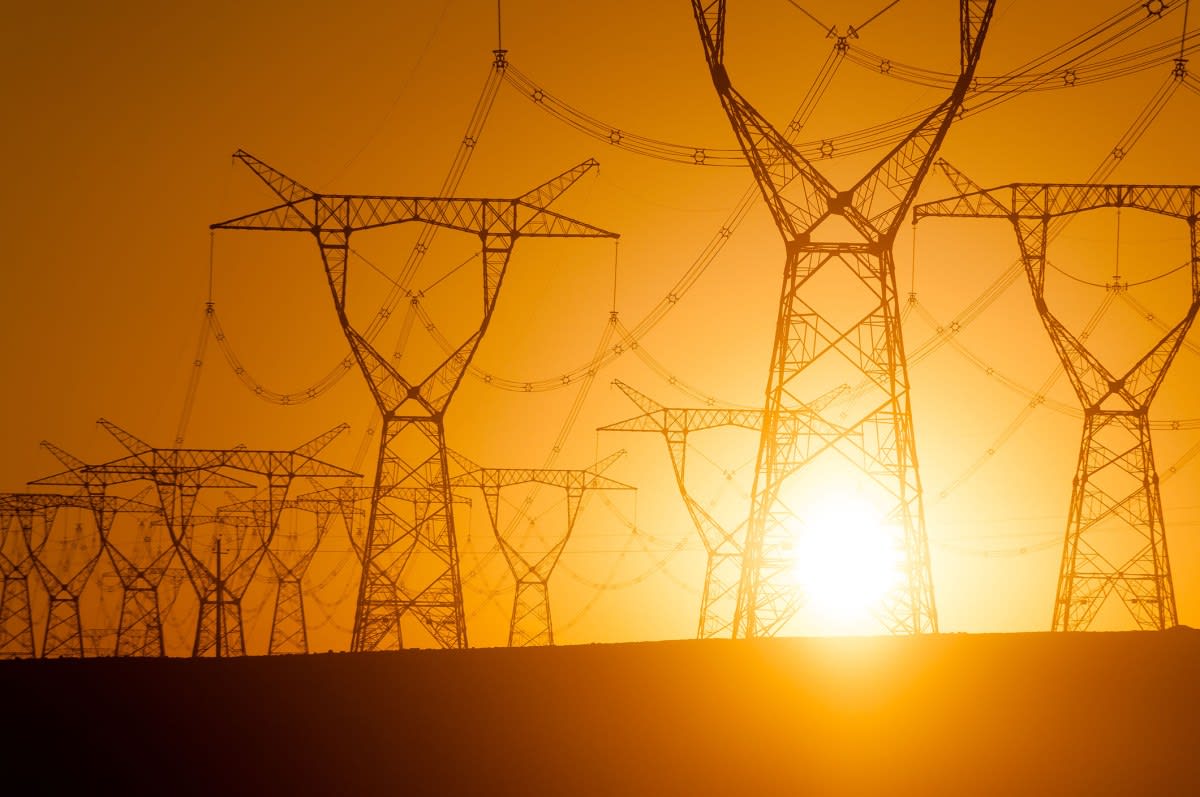
PJM Interconnection, the largest U.S. power grid operator, will begin curtailing electricity to large data centers by 2027 to prevent regional blackouts. This move addresses the surge in energy demand driven by data center growth, which is projected to quadruple by 2035.
The Looming Energy Crisis: Data Centers and Grid Stability
The Intersection of AI and Infrastructure
The rapid proliferation of artificial intelligence and cloud computing has triggered a massive surge in demand for data centers, pushing electrical grids to their absolute breaking point. PJM Interconnection, the operator of the largest electrical grid in the United States, has recently announced a pivot in its operational strategy: it will begin cutting power to large data centers during periods of extreme shortage. This decision, scheduled to take effect in June 2027, highlights the growing friction between the digital economy's insatiable power needs and the physical constraints of legacy energy infrastructure.
The Anatomy of the Power Shortage
This regulatory shift follows a concerning auction result where the grid failed to secure enough new generating capacity to meet future reliability standards. With data centers consuming vast amounts of electricity for cooling and server operations, grid operators are increasingly forced to prioritize residential and critical infrastructure stability over industrial expansion. The policy specifically targets facilities consuming 50 megawatts or more, reflecting a strategic attempt to mitigate localized grid stress without broadly impacting smaller commercial entities.
The 2035 Horizon and Exponential Growth
Projections indicate that data center power consumption is set to quadruple by 2035. This trajectory is largely driven by the high-density computing requirements of generative AI models, which demand significantly more energy per rack than traditional data storage. As PJM scrambles to manage this growth, the decision to implement "demand response"-style curtailments serves as a stopgap measure. It essentially treats data centers as flexible loads, forcing them to absorb the volatility of the grid rather than expecting the grid to scale infinitely to meet their needs.
Historical Context of Demand Response
While the prospect of cutting power to data centers may seem unprecedented, it is an extension of existing "demand response" programs that have existed for decades. Historically, these programs have incentivized large industrial users to reduce consumption during peak load hours to prevent system-wide blackouts. By formalizing this for data centers, PJM is acknowledging that the energy footprint of modern computing has reached a scale comparable to heavy manufacturing or industrial metallurgy.
Future Trends and Market Implications
Looking ahead, this decision is likely to reshape the geography of the tech industry. We can anticipate that data center developers will increasingly prioritize locations with robust, renewable-heavy energy portfolios or invest heavily in on-site microgrid generation to bypass grid dependency. Furthermore, this policy will likely force a more rigorous evaluation of power purchase agreements and energy efficiency standards within the sector, as the era of "unlimited" grid access for hyperscalers draws to a close.
Conclusion
The mandate by PJM Interconnection marks a defining moment for the intersection of technology and utility infrastructure. As the U.S. grapples with the transition to a more digital-heavy economy, the necessity of grid stability remains paramount. While curtailment measures may create short-term operational challenges for data center operators, they underscore the urgent need for a more resilient and scalable national energy strategy.