PM Modi, Shah, other leaders extend Vijayadashmi wishes
Source Entity
India Latest News: Top National Headlines Today & Breaking News | The Hindu
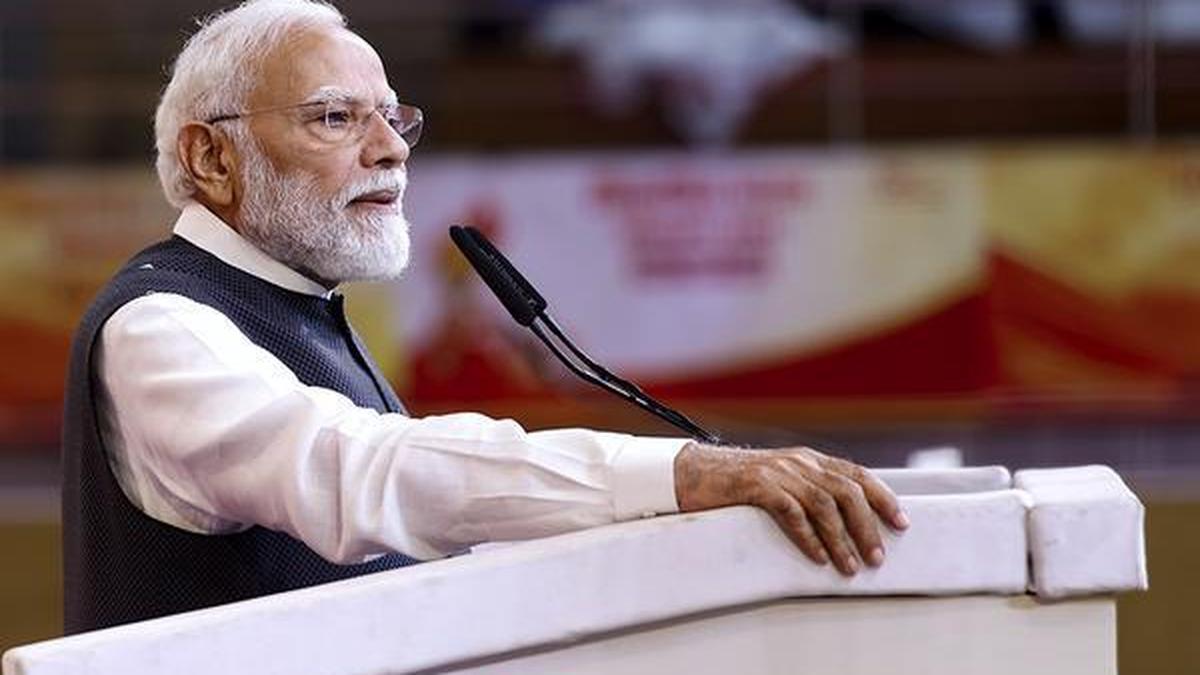
Prime Minister Narendra Modi and Union Home Minister Amit Shah extended Vijayadashami greetings, emphasizing themes of duty and righteousness. Jammu and Kashmir Chief Minister Omar Abdullah joined in calling for unity and peaceful coexistence.
The Significance of Vijayadashami in the Modern Political Discourse
On October 20, 2026, India observed the festival of Vijayadashami, a day that holds profound cultural and spiritual significance across the nation. Prime Minister Narendra Modi, along with Union Home Minister Amit Shah and various other political leaders, utilized the occasion to extend heartfelt greetings to the citizens of India. By highlighting the core tenets of the festival—victory, righteousness, and duty—the leadership reinforced a narrative of collective national resolve and prosperity.
Leadership Perspectives on National Values
In his message posted on X, Prime Minister Modi framed the festival as a source of renewed strength, wishing for the happiness and success of every citizen. This sentiment was echoed by Union Home Minister Amit Shah, who specifically invoked the ideals of 'duty, righteousness, and honour.' By framing Vijayadashami as an inspiration to move forward on the path of righteousness, the government is effectively aligning contemporary political governance with traditional Indian values, suggesting that the path to national progress is paved with moral fortitude.
Promoting Harmony in Jammu and Kashmir
Perhaps most notable in the current political climate is the intervention of Jammu and Kashmir Chief Minister Omar Abdullah. In his message, Abdullah moved beyond mere ritualistic greetings to emphasize the practical application of the festival's spirit: mutual respect, unity, and peaceful coexistence. This call is particularly significant for a region that has historically navigated complex sociopolitical transitions. By urging citizens to draw inspiration from the festival to reaffirm their commitment to coexistence, the Chief Minister is positioning regional stability as a shared cultural imperative.
The Role of Cultural Festivals in Governance
Vijayadashami serves as a unique bridge between India's ancient cultural heritage and its modern administrative priorities. When high-ranking officials such as the Prime Minister and the Lieutenant Governor of J&K participate in these public messages, they reinforce a shared national identity. This alignment serves to consolidate public sentiment around themes of national unity and moral duty, which are often essential for maintaining social cohesion in a diverse democracy.
Implications for Future Trends
Moving forward, the emphasis on these traditional festivals is likely to remain a cornerstone of political communication in India. As leaders continue to weave cultural values into their public outreach, the focus on 'peaceful coexistence'—as highlighted by the J&K leadership—suggests a strategic push toward regional integration and stability. The synthesis of religious observance and administrative messaging functions as a soft-power tool, fostering a sense of common purpose among the populace that transcends regional or sectarian divides.
Conclusion
The collective messaging from national and regional leaders on Vijayadashami 2026 underscores a unified attempt to promote social harmony and moral responsibility. Whether through the Prime Minister’s focus on prosperity or the Chief Minister’s emphasis on coexistence, these leaders are leveraging the cultural weight of the festival to reinforce the foundational values of the Indian republic. As the country navigates its future, such symbolic gestures remain vital in maintaining the delicate balance of unity in diversity.
Verification Required?