The gifts that become public good
Source Entity
Suhel Seth
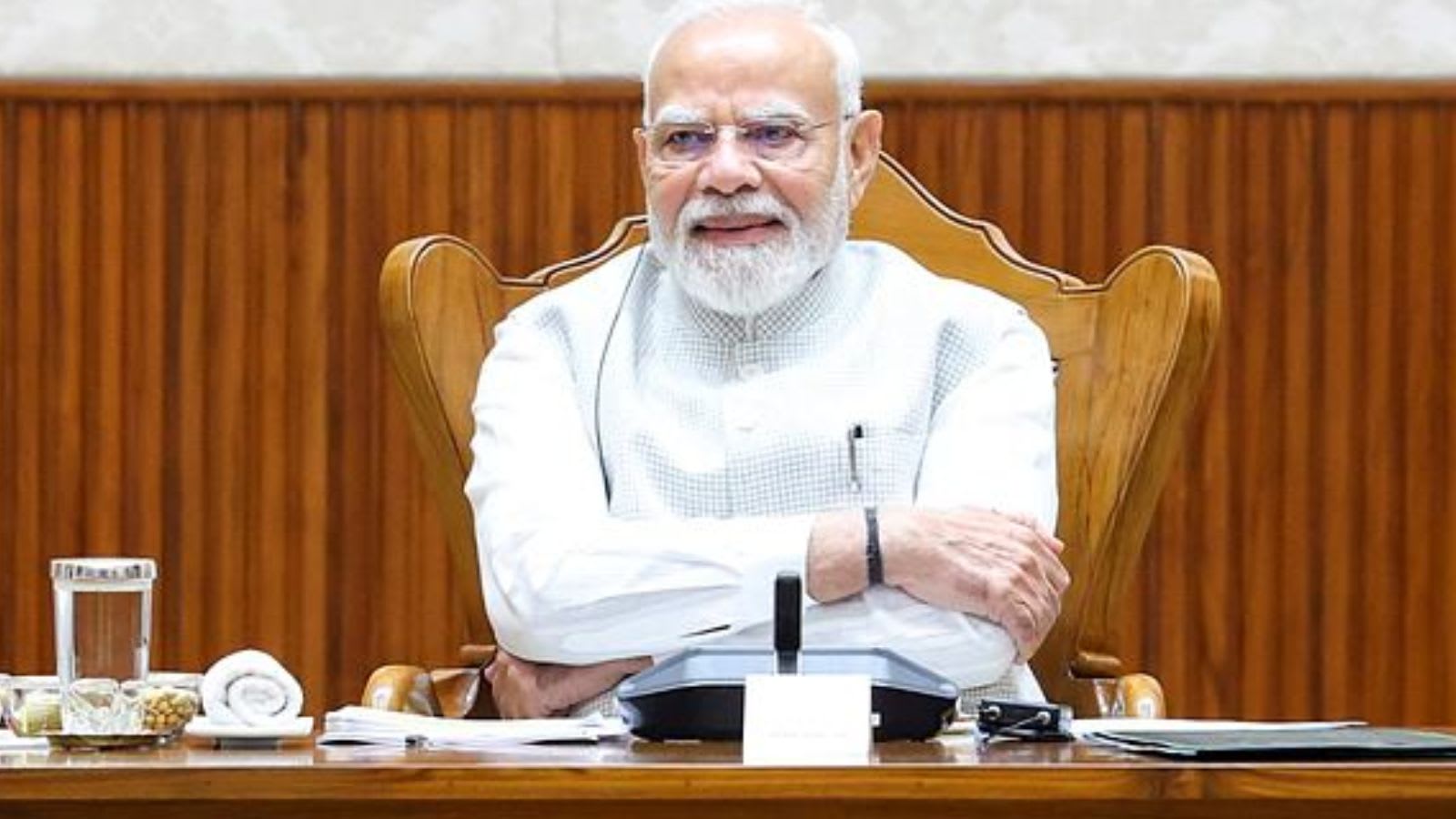
Prime Minister Narendra Modi is auctioning 1,500 gifts, including sports memorabilia like Neeraj Chopra's javelin, to convert private offerings into public assets. This practice has sparked public debate regarding the ethics of auctioning high-profile sentimental items.
The Intersection of Diplomacy and Public Assets
The recent announcement regarding the auction of 1,500 gifts received by Prime Minister Narendra Modi has ignited a multifaceted conversation about the nature of political gifting and the transparency of state assets. The collection, which spans a diverse array of items—from intricate temple replicas and traditional textiles to sports memorabilia—represents a departure from the historical norm where such gifts might have remained in private collections or been relegated to forgotten storage.
The Case of the Chopra Javelin
The discourse gained traction following social media criticism surrounding the inclusion of a javelin gifted by Olympic champion Neeraj Chopra in the auction. Critics labeled the decision as a form of 'sacrilege,' arguing that items of such immense national pride should perhaps be housed in museums rather than auctioned to the highest bidder. This specific controversy highlights the tension between viewing a gift as a personal token of achievement and viewing it as a state asset that can be leveraged for broader, communal purposes.
Historical Precedent and Governance
Historically, world leaders have long grappled with the protocols of receiving gifts. Whether it is a watch worn occasionally or a statue left to collect dust, the lifecycle of a diplomatic gift is often stagnant. By choosing to auction these items, the administration is attempting to redefine the utility of these objects. Instead of allowing them to occupy space in government archives, the initiative seeks to transform them into public goods, potentially redirecting the proceeds toward social causes or national development projects.
Analyzing the Political Counterattack
The backlash observed on social media platforms serves as a case study in modern political optics. While the auction is framed by the government as an exercise in transparency and public benefit, the 'javelin attack' suggests that segments of the public perceive the monetization of such symbolic items as a dilution of their cultural value. This dynamic underscores the challenge of balancing administrative efficiency with the sentimental expectations of a citizenry that views sports icons as national treasures.
Broader Implications and Future Trends
Moving forward, this event sets a precedent for how 'public goods' are defined in the digital age. As expectations for government transparency rise, officials will likely continue to face scrutiny regarding the disposal of gifted assets. Future auctions of this scale will likely require more nuanced communication strategies to differentiate between commercial gain and public service, ensuring that the auctioning of high-value cultural or athletic memorabilia does not alienate the public sentiment that these items were meant to honor in the first place.