'Jantar Mantar in Kochi': Actor Prakash Raj calls for anti-SIR protest on Saturday
Source Entity
PRIYANKA JAISWAL
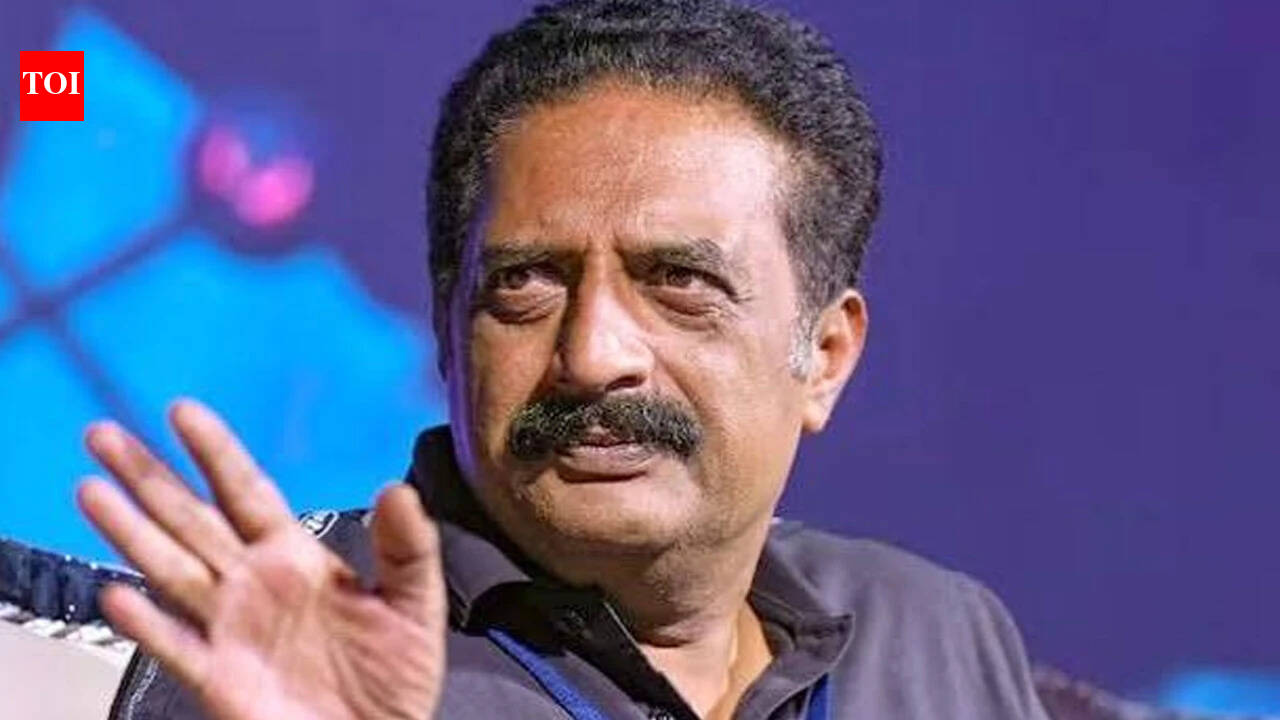
Actor Prakash Raj has called for a public demonstration in Kochi to protest against the proposed Student Identity Register (SIR). He is urging students, youth, and civil society members to join the Saturday protest.
The Call to Action: Prakash Raj and the Kochi Protest
Actor and activist Prakash Raj has issued a public appeal for a demonstration in Kochi, directed against the proposed Student Identity Register (SIR). This call to action, framed by the actor as a 'Jantar Mantar in Kochi'—a reference to the iconic protest site in New Delhi—aims to galvanize students, young people, and members of civil society. By invoking the symbolism of a central protest hub, the actor is signaling an intent to create a significant platform for dissent regarding current administrative policies involving student registration.
Understanding the Opposition to SIR
The Student Identity Register (SIR) has become a focal point of concern for various academic and civic groups. At the heart of this resistance is the apprehension surrounding data privacy, surveillance, and the potential for bureaucratic overreach within the educational ecosystem. Critics, including those supported by Prakash Raj, argue that such registers could lead to the profiling of students and the erosion of privacy rights. The demonstration is designed to bring these concerns to the forefront of public discourse, moving the conversation from private academic circles into the streets.
The Role of Civil Society and Youth
Prakash Raj’s specific appeal to 'students, young people, and civil society members' highlights a strategic effort to build a broad-based coalition. By targeting these demographics, the protest organizers aim to leverage the energy of the youth, who are often the primary stakeholders in educational policy shifts. The involvement of various organizations suggests that the protest is intended to be a multi-faceted event, drawing on the collective strength of different social sectors to exert pressure on authorities to reconsider or provide transparency regarding the SIR.
Historical Context of Protest in Kerala
Kochi, a city with a robust history of political activism and social movements, serves as a significant backdrop for this protest. The region has long been known for its highly literate and politically conscious population, making it a natural hub for debates on civil liberties. By organizing at this location, the movement taps into a tradition of grassroots mobilization, where citizens frequently take to the streets to voice opposition to policies they perceive as exclusionary or intrusive. This event is a continuation of that democratic tradition.
Broader Implications and Future Trends
The outcome of this demonstration could set a precedent for how student-related data policies are challenged across India. If the Kochi event gains significant traction, it may inspire similar 'Jantar Mantar'-style protests in other major urban centers, potentially forcing a national dialogue on the necessity and scope of the Student Identity Register. As digital governance becomes increasingly integrated into the lives of citizens, the tension between administrative efficiency and individual privacy is likely to remain a dominant theme in future political debates.
Conclusion
In summary, Prakash Raj’s call for a protest in Kochi represents a critical moment of intersection between celebrity activism and student-led resistance. By focusing on the specific grievances surrounding the SIR, the movement seeks to protect institutional autonomy and student privacy. As the Saturday demonstration approaches, all eyes will be on the level of participation and the subsequent response from policymakers, which will ultimately dictate the trajectory of this ongoing policy dispute.