Education Has Become 'Marks-Wadi', Rote Learning Needs To Go: Pralhad Joshi
Source Entity
NDTV News Search Records Found 1000
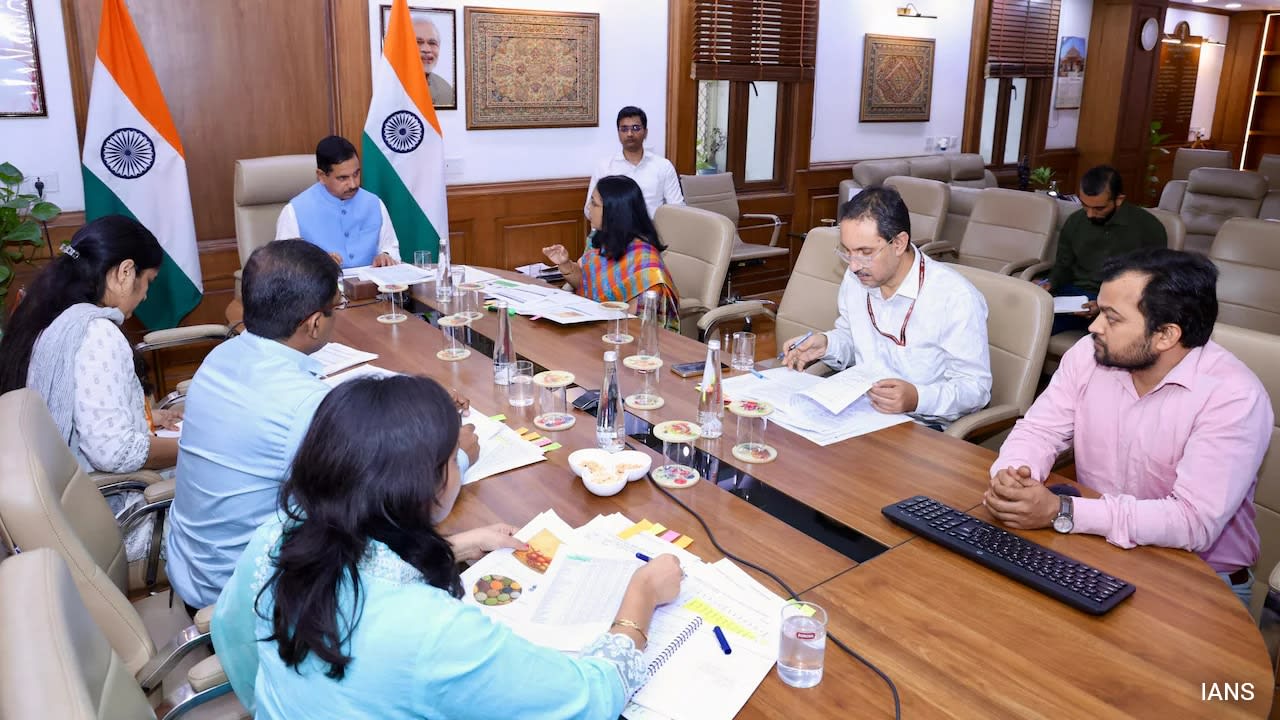
Union Minister Pralhad Joshi has criticized the prevailing 'marks-wadi' culture in the Indian education system. During the inauguration of the CBSE Experience Centre, he emphasized the need to move beyond rote learning to foster deeper understanding.
Rethinking Education: The Shift from Rote Learning
Union Minister Pralhad Joshi recently inaugurated the CBSE Experience Centre, an event that served as a platform for a critical reflection on the current state of Indian pedagogy. During his address, Joshi voiced significant concerns regarding the prevalence of 'marks-wadi'—a culture fixated almost exclusively on achieving high grades rather than fostering genuine intellectual curiosity. This critique highlights a growing consensus among policymakers that the current assessment-heavy environment may be stifling the creative and analytical potential of students.
The Problem of 'Marks-Wadi'
The term 'marks-wadi,' as used by the Minister, encapsulates a systemic issue where the pursuit of percentages and rank has overshadowed the acquisition of knowledge. In many academic circles, the pressure to score high in standardized tests has led to a reliance on rote memorization. This methodology often prioritizes the ability to recall facts over the ability to apply concepts, effectively turning the learning process into a mechanical exercise rather than an engaging, developmental experience.
Moving Beyond Rote Memorization
By inaugurating the CBSE Experience Centre, the government is signaling a shift toward experiential learning. The goal is to transition from passive consumption of information to an active, hands-on approach. The Experience Centre is intended to serve as a hub where pedagogical methods can be reimagined, allowing educators to move away from textbooks and toward models that encourage inquiry, experimentation, and critical thinking.
Broader Implications for the Indian Education System
This push for reform is deeply connected to broader national goals of transforming India into a knowledge-based economy. If students are trained only to memorize, they risk being ill-equipped for a modern workforce that values problem-solving, emotional intelligence, and adaptability. By addressing the 'marks-wadi' culture, the government aims to align educational outcomes with the dynamic requirements of the 21st-century global market.
Historical Context and Future Trends
Historically, the Indian education system has been criticized for its rigid structure and heavy reliance on high-stakes examination boards. The recent emphasis on experiential learning, as championed by figures like Pralhad Joshi, represents a departure from these traditional constraints. Looking forward, we can expect to see more integration of technology, vocational training, and project-based assessments that prioritize the application of knowledge over the mere reproduction of it.
Conclusion
The inauguration of the CBSE Experience Centre serves as a symbolic and practical step toward dismantling the culture of rote learning. While the transition will require significant changes in teacher training, curriculum design, and parental expectations, the move toward a more holistic educational model is essential. By prioritizing 'learning' over 'marks,' the system can better prepare students to be innovative thinkers and lifelong learners.
Verification Required?