Why bypoll results are bad news for BJP, but not good news for Opposition
Source Entity
Vikas Pathak
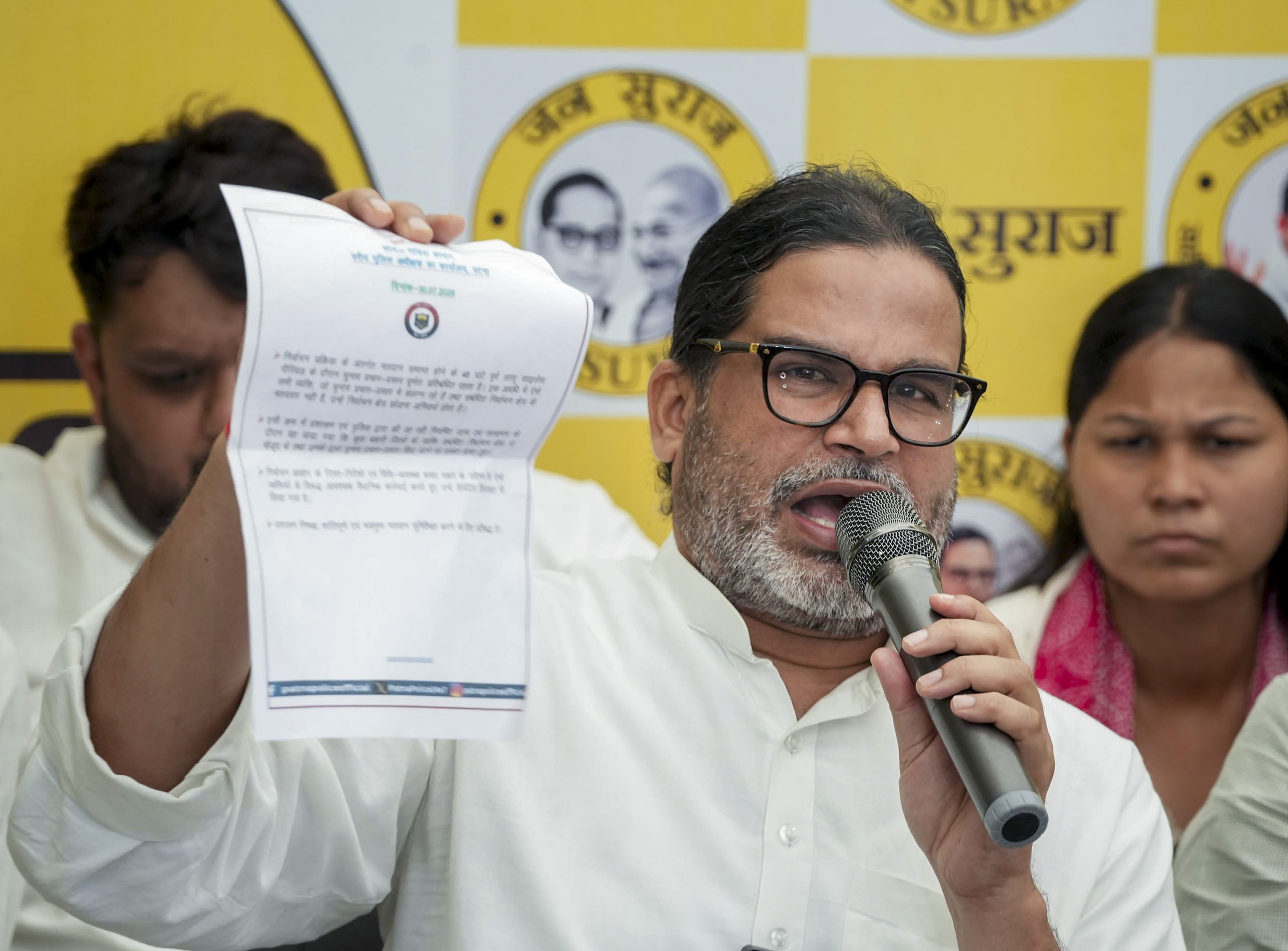
Prashant Kishor's Jan Suraaj Party is poised for a significant victory in Bihar's Bankipur bypoll, challenging the BJP's long-standing stronghold. The results of these three by-elections serve as a critical gauge of voter sentiment, particularly among the youth, following nationwide protests over paper leaks.
The Shifting Political Landscape: Analyzing the Bypoll Results
A Historic Upset in Bankipur
The ongoing counting of votes for the Bankipur Assembly bypoll signals a potential tectonic shift in Bihar politics. The Bharatiya Janata Party (BJP), which has maintained an unchallenged dominance in this seat since its inception in 2008, is facing a significant electoral setback. Traditionally, the BJP has secured at least 59 percent of the vote share in Bankipur, making it a bastion of the party’s strength. However, the emergence of Prashant Kishor and his Jan Suraaj Party has disrupted this trajectory, with Kishor maintaining a substantial lead of nearly 15,000 votes as counting progresses.
The Rise of Jan Suraaj
Prashant Kishor’s performance is particularly noteworthy given the context of the recent Bihar state polls, where the NDA secured a commanding 202 out of 243 seats, and the Jan Suraaj Party failed to secure a single victory. This rapid reversal of fortunes suggests that Kishor’s grassroots mobilization strategy may be gaining traction among local voters. By consistently leading in every round of the current count, Kishor is positioning himself as a viable political alternative, effectively piercing the armor of a party that previously appeared invincible in this specific constituency.
Gauging the National Mood
Beyond the local implications for Bihar, these by-elections—spanning Bankipur, Datia, and Manjalpur—are being closely monitored as a barometer for the national mood. These polls represent the first major electoral test since the widespread, countrywide student protests erupted over examination paper leaks. Political analysts suggest that the youth vote is a pivotal factor in these contests, as the student community expresses its discontent with the current governance and systemic issues regarding employment and academic integrity.
The Opposition's Ambiguous Victory
While the BJP is projected to lose two of the three seats, the results do not necessarily translate into a triumphant narrative for the traditional Opposition. The fragmented nature of these results indicates that voters are increasingly looking for new political avenues rather than reverting to established opposition parties. The victory of a debutant like Kishor underscores a desire for fresh leadership, leaving both major national coalitions to grapple with the reality that their traditional vote banks are becoming more fluid and less predictable.
Implications and Future Trends
The loss of a 'safe seat' like Bankipur acts as a wake-up call for the BJP, suggesting that historical vote shares are no longer guaranteed in a climate of heightened public scrutiny. As the counting nears its conclusion, the focus will shift to how these results influence future legislative strategies. If these trends hold, we can expect political parties to pivot toward more localized, issue-based campaigning, specifically targeting the anxieties of young voters who are clearly signaling their dissatisfaction with the status quo.
Multiple Citing Sources