'Who allowed use of pellet guns, AK-47 on students?': Priyanka calls Pradhan's garlanding ‘shameful’
Source Entity
Latest News: Todays Latest News Headlines from India & World | Hindustan Times | Hindustan Times
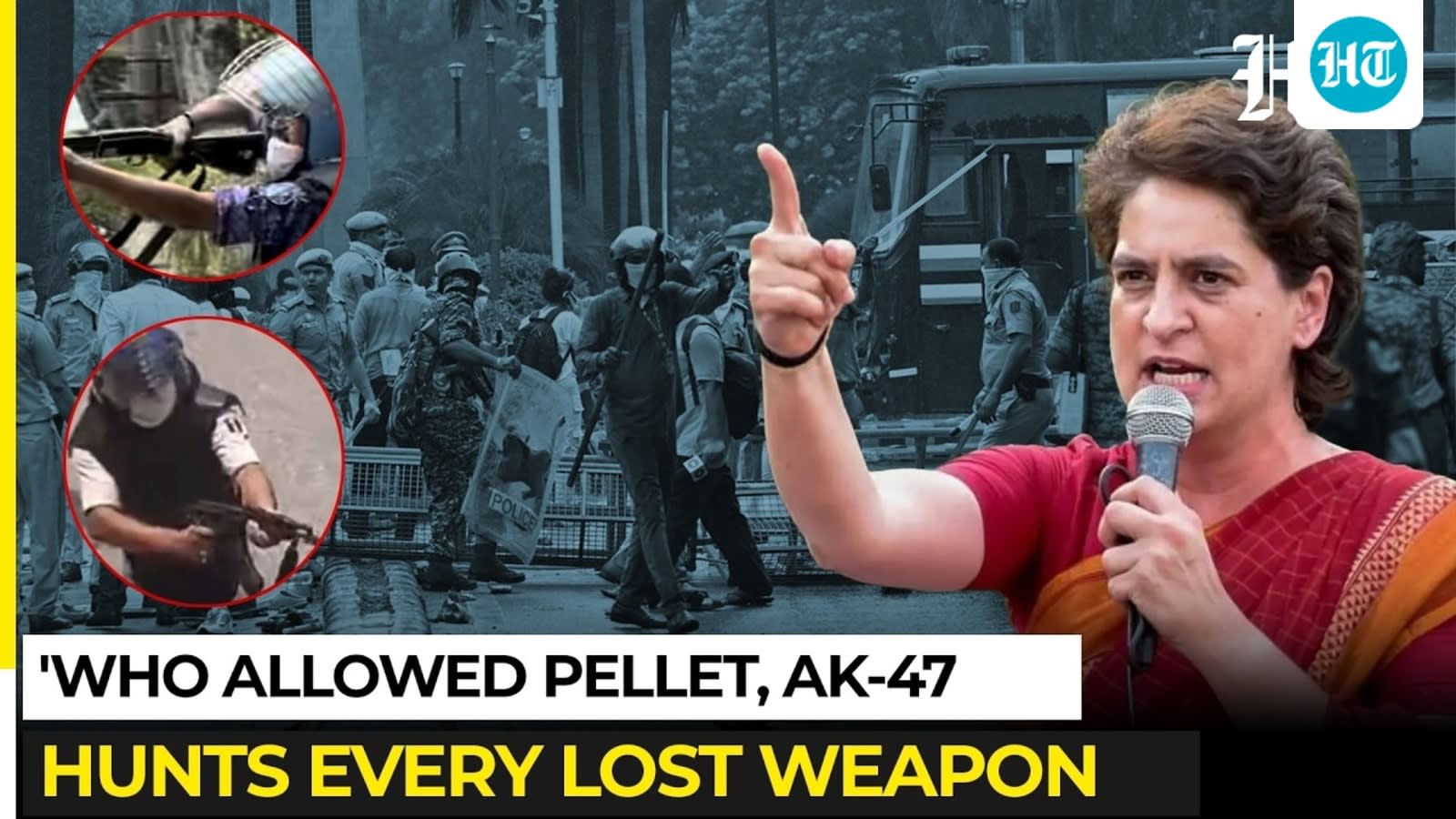
Congress MP Priyanka Gandhi Vadra has demanded accountability for the use of pellet guns and force against student protesters in New Delhi. Official records confirm the firing of anti-riot guns during the July 20 march, leaving multiple individuals injured.
Escalating Tensions: The July 20 Student Protests
On July 20, a protest march towards the Indian Parliament in New Delhi took a volatile turn as students demonstrating against irregularities in major examinations faced significant police intervention. The demonstration, which sought to highlight systemic failures in the examination process, resulted in a confrontation between protesters and security forces, including the Rapid Action Force (RAF) and Delhi Police. The use of baton charges, tear gas, and water cannons underscored the intensity of the standoff, drawing immediate national attention to the administration's approach to student dissent.
The Controversy Over Pellet Guns
Central to the unfolding political crisis is the alleged use of pellet guns, or Anti-Riot Guns (ARG), against the student population. During a Lok Sabha debate regarding the Public Examinations (Prevention of Unfair Means) Amendment Bill, 2026, Congress MP Priyanka Gandhi Vadra leveled sharp criticism against the government. She demanded transparency from Prime Minister Narendra Modi and Home Minister Amit Shah regarding the authorization of such weaponry, questioning why students—the future of the nation—were being treated with methods typically reserved for extreme security threats.
Official Records and Accountability
Despite initial denials by the Delhi Police regarding the use of pellet weaponry, official records have surfaced confirming that an RAF personnel fired an Anti-Riot Gun twice under the explicit orders of a Deputy Commissioner of Police-rank officer. This revelation contradicts the earlier official narrative and has sparked a heated debate over institutional accountability. The RAF has since indicated that it would conduct an inquiry into the actions of its personnel, yet the gap between the police's denial and the documented evidence remains a point of intense scrutiny.
The Human Cost of Protest
Beyond the political rhetoric, the physical toll on the participants is severe. At least three individuals, including a 25-year-old worker, a 19-year-old student, and a journalist, sustained pellet injuries during the march. The severity of these injuries, with at least one victim facing the potential loss of eyesight, has intensified public outrage. These injuries serve as a grim testament to the risks faced by youth when their grievances regarding educational integrity are met with force rather than dialogue.
Broader Implications for Governance
This incident highlights a deepening friction between the youth and the state regarding the management of public examinations. The introduction of the Public Examinations (Prevention of Unfair Means) Amendment Bill, 2026, was intended to address systemic cheating and malpractice; however, the violent suppression of those protesting these very issues has undermined the government's credibility. By labeling the protesters' concerns as secondary to maintaining public order, the authorities risk alienating a generation that feels its future is being compromised by both examination irregularities and state-sanctioned force.
Conclusion and Future Outlook
As the inquiry into the July 20 events proceeds, the government faces mounting pressure to clarify the chain of command that authorized the use of force. The incident is likely to remain a focal point of parliamentary debate, as the opposition continues to demand accountability for the injuries sustained. Moving forward, the government's ability to address both the underlying examination irregularities and the excessive use of force will be critical in restoring public trust and ensuring that the democratic right to peaceful protest is protected.
Multiple Citing Sources
Verification Required?