'Gaumutra expert': Priyanka Gandhi questions inclusion of IIT Madras director in PM's exam reforms panel, BJP hits back
Source Entity
Latest News: Todays Latest News Headlines from India & World | Hindustan Times | Hindustan Times
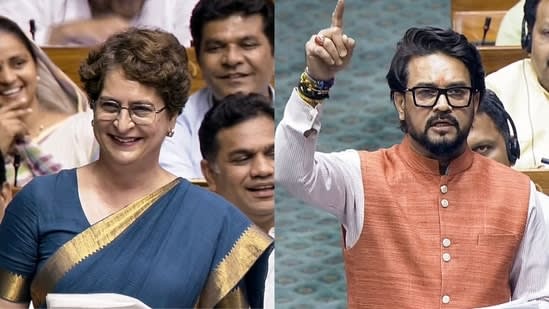
Priyanka Gandhi has sparked a political controversy by labeling IIT Madras Director V. Kamakoti a 'cow urine expert' following his appointment to a new exam reform task force. The BJP has countered these remarks, defending the scientist's credentials and accusing the Congress of political deflection.
The Intersection of Science and Politics in India
The recent formation of a high-powered task force to overhaul India's National Testing Agency (NTA) has ignited a fierce political debate. Tasked with reforming the examination system following widespread protests regarding paper leaks, the committee is led by Infosys co-founder Nandan Nilekani. However, the inclusion of V. Kamakoti, the Director of IIT Madras, has become the primary point of contention.
The Controversy Over Credentials
Congress leader Priyanka Gandhi triggered this row by questioning the composition of the panel, specifically labeling V. Kamakoti a "gaumutra expert" (cow urine expert). This characterization refers to the professor's previous public advocacy regarding the alleged medicinal benefits of cow urine. This rhetoric has turned a technical administrative appointment into a broader ideological battle, highlighting the ongoing friction between the government's scientific appointments and opposition scrutiny.
Scientific Contributions vs. Ideological Labels
While the political discourse has focused on his views on alternative medicine, V. Kamakoti’s professional record is significant. As the Director of IIT Madras and a recipient of the Padma Shri, his work in computer architecture—most notably the development of India’s first indigenous microprocessor, Shakti—has been instrumental in the nation's push for technological sovereignty. His inclusion in the task force was intended to leverage his expertise in national security and systems architecture to secure the examination process.
The Political Fallout
In response to Gandhi’s comments, BJP MP Anurag Thakur launched a sharp counter-attack. He accused the Congress leader of feigning innocence to distract from the "wrongdoings" of previous administrations. This exchange underscores a recurring theme in Indian politics: the tendency to use personal attacks on experts as a proxy for broader partisan conflict. By targeting the credentials of a high-ranking academic, both sides are attempting to define the narrative surrounding the NTA reform process.
Broader Implications for Governance
The controversy reflects the immense pressure on the current administration to restore public trust in the NTA. The committee's mandate is critical, as it must address the systemic failures that led to recent examination protests. However, the politicization of its members complicates the path toward consensus. When technical experts are treated as political lightning rods, the objective focus on structural reform risks being overshadowed by partisan bickering.
Future Outlook
As the task force begins its work, the challenge will be to balance public perception with the necessity of technical proficiency. The reliance on figures like Nilekani and Kamakoti suggests a government preference for technocratic solutions. Whether this committee can transcend the current political climate and deliver substantive improvements to the examination system remains a central question for India's educational policy in the coming months.
Multiple Citing Sources
Verification Required?