Pune on my plate: Cafes go beyond coffee and chats to serve up pottery, painting, games
Source Entity
The Indian Express
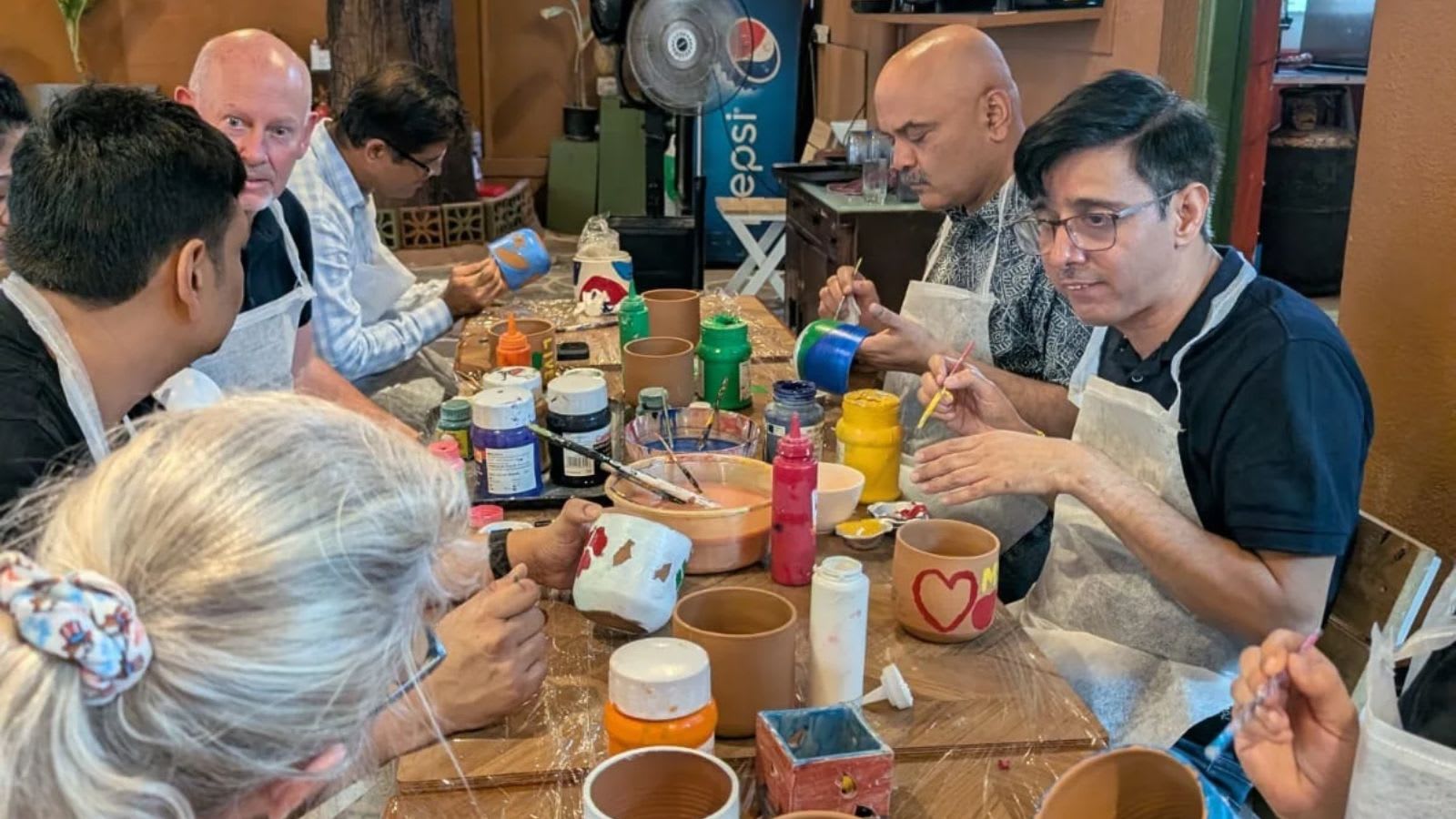
Pune's commercial landscape is evolving as historic markets like Bohri Ali shift from traditional hardware to diverse retail, while modern cafes increasingly integrate creative experiences like pottery and gaming into their service models. These trends reflect a broader transformation in how Punekars engage with their city's heritage and social spaces.
The Evolving Face of Pune: From Traditional Markets to Experiential Cafes
Pune, a city known for its unique blend of history and modernity, is currently witnessing a significant transformation in its commercial and social infrastructure. Across the city, from the historic lanes of Raviwar Peth to the bustling neighborhoods of Erandawane, the way residents conduct business and spend their leisure time is undergoing a visible shift. This evolution is not merely a change in consumer preference but a reflection of a deeper societal transition.
The Shifting Identity of Bohri Ali
Bohri Ali, a market with a rich 200-year history dating back to the Peshwa era, stands as a testament to Pune’s long-standing mercantile traditions. Originally established by merchants from the Bohra community, the area became synonymous with the hardware trade, echoing with the clatter of pipes, nuts, bolts, and paint. However, the modern era is imposing new demands. Today, the traditional hardware shops are increasingly diversifying, sharing their historic footprint with stores selling festive decorations, perfumes, and plastic goods. This transition marks the end of an era where the market served a singular purpose, signaling a move toward a more varied, retail-oriented economy.
The Rise of Experiential Dining
While the historic markets adapt to modern retail needs, Pune’s social scene is experiencing a parallel transformation. The traditional concept of a café, once limited to coffee and conversation, is being reimagined as a hub for interactive experiences. Establishments like Clay7Studio in Erandawane exemplify this trend, allowing patrons to engage in pottery and artistic pursuits alongside their meals. This shift toward 'activity-based' dining suggests that consumers are seeking more than just sustenance; they are looking for immersive experiences that provide a respite from digital screens and the monotony of daily routines.
Societal Implications of the Shift
These changes reflect a broader trend in urban life where 'experience' has become a premium commodity. In the case of Bohri Ali, the change in shopfronts illustrates the pressures of modern market dynamics on traditional craft-based commerce. Conversely, the rise of activity-centric cafes indicates a growing desire for community-driven, tangible interactions in an increasingly digitized world. These spaces act as modern-day 'third places'—social environments separate from the two usual social environments of home and the workplace.
Historical Continuity and Future Trends
As Pune continues to expand, the tension between preserving its historical identity and embracing contemporary commercial trends will remain a defining feature of its urban development. The adaptation seen in Bohri Ali suggests that while the nature of the goods sold may change, the spirit of the marketplace remains resilient. Similarly, the success of experiential cafes highlights a future where leisure is defined by creativity and active participation. Ultimately, these shifts suggest that Pune is successfully balancing its rich historical lineage with the evolving, experiential demands of a new generation of residents.