Punjab: Tighten taps, BBMB cautions partner states as weak monsoon strains Bhakra reserves
Source Entity
Latest News: Todays Latest News Headlines from India & World | Hindustan Times | Hindustan Times
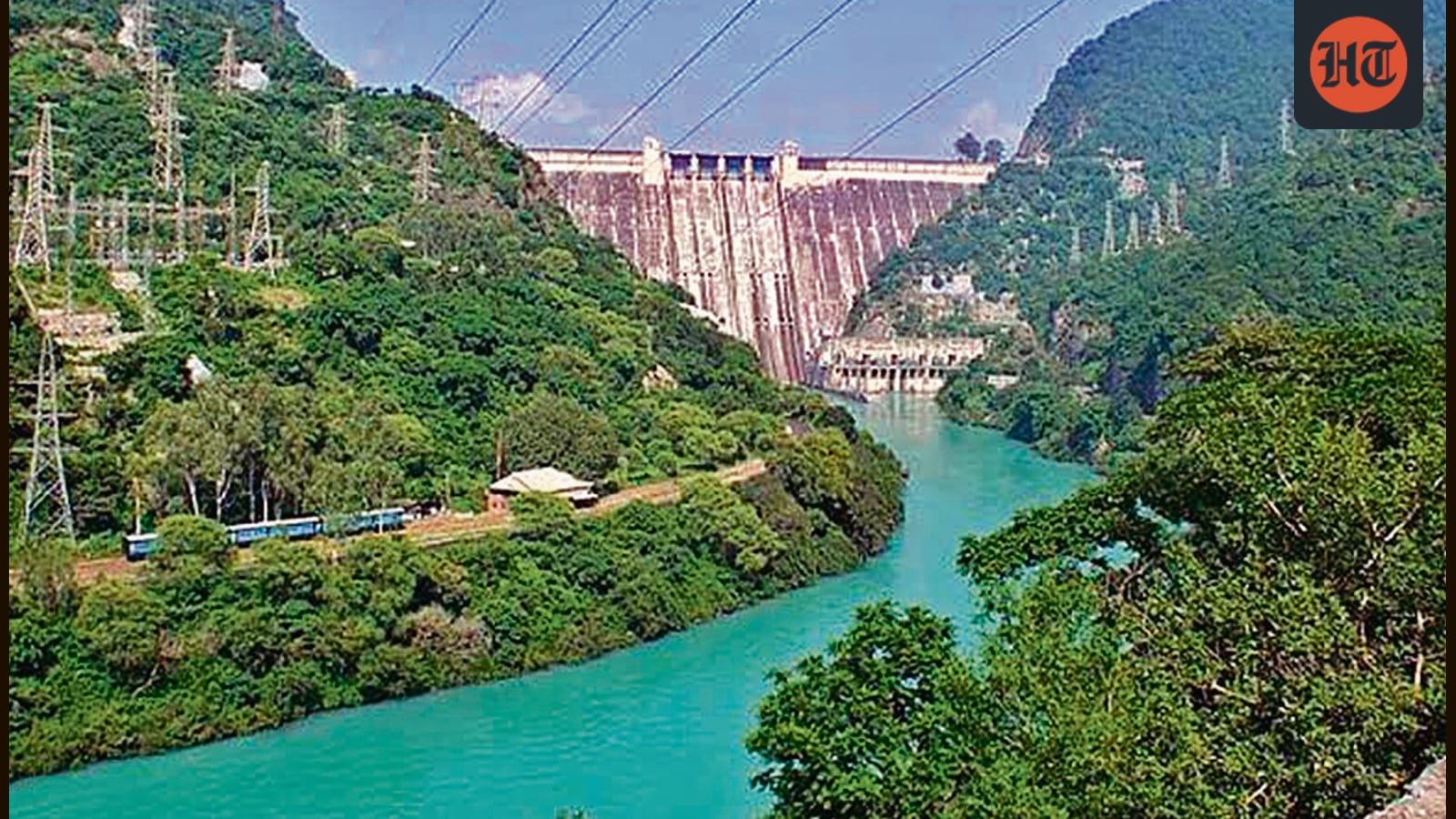
The Bhakra Beas Management Board has urged Punjab, Haryana, and Rajasthan to ration water usage due to significantly lower reservoir levels compared to last year. Weak monsoon rainfall has left the Gobind Sagar lake well below its seasonal average, raising concerns for future irrigation and drinking water supplies.
Water Scarcity Concerns Mount as Monsoon Falters
The Bhakra Beas Management Board (BBMB) has issued a critical advisory to its partner states—Punjab, Haryana, and Rajasthan—urging them to exercise extreme caution in water consumption. This warning comes as the current monsoon season has failed to deliver the expected precipitation, leading to a drastic reduction in inflows into the Bhakra Dam reservoir, the lifeblood for regional agriculture and potable water supplies.
Stark Contrast to Previous Seasons
In previous years, the Bhakra Dam frequently contended with excess water, often resulting from cloudbursts and heavy rainfall in the catchment areas that pushed inflows past 1 lakh cusecs. This year, however, the landscape is vastly different. Current peak inflows are hovering around 42,000 cusecs, representing a significant deficit that threatens to deplete reserves well before the end of the year if demand is not strictly managed.
The Data Behind the Crisis
Technical reports from the BBMB indicate that as of Monday, the water level at the Gobind Sagar lake stood at 1,634 feet. This figure is not only 46 feet below the full reservoir level of 1,680 feet but also 25 feet short of the historical average for this time of year. Officials note that ideally, the reservoir should be nearing the 1,660-foot mark during the monsoon, highlighting the severity of the current hydrological shortfall.
Implications for Agriculture and Consumption
The Bhakra Dam serves as a critical infrastructure pillar for the northern states, providing the necessary water for extensive irrigation networks and municipal water supply. A sustained drop in reservoir levels directly endangers the upcoming cropping cycles, as farmers rely heavily on consistent water releases for irrigation. If the current trend of weak monsoon rainfall persists, the region may face difficult trade-offs between agricultural output and essential drinking water needs.
Future Outlook and Strategic Management
As the BBMB calls for prudent water usage, the focus shifts to long-term resource management strategies. The reliance on variable monsoon patterns underscores the vulnerability of the current system to climate fluctuations. Moving forward, the partner states must coordinate more effectively to ensure that water reserves are preserved for the dry months ahead, minimizing waste and prioritizing high-impact usage to mitigate the impact of the current shortfall on the regional economy and public health.
Verification Required?