Explained: Why Punjab's MGNREGA Protest Is A Political Test For AAP
Source Entity
NDTV News Search Records Found 1000
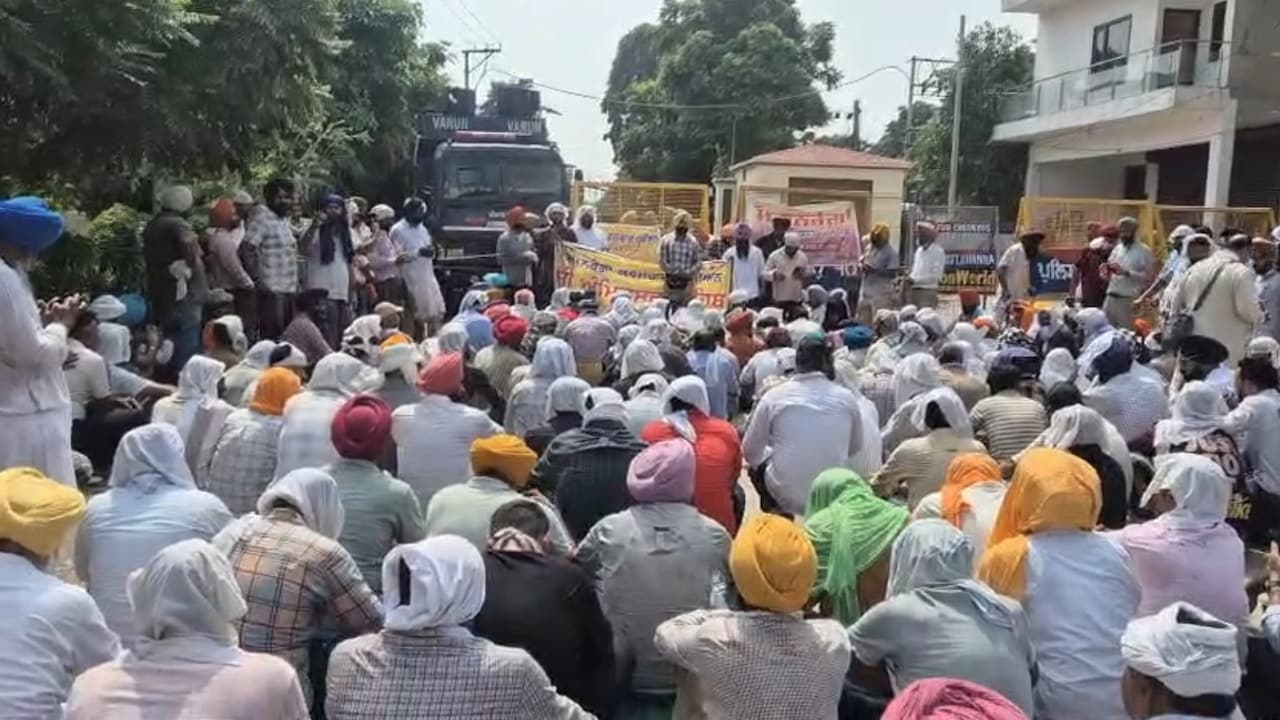
Punjab's MGNREGA employees are protesting against the state government, alleging the suppression of peaceful democratic demonstrations. This conflict highlights significant political tensions and serves as a critical test for the ruling AAP administration's governance approach.
The MGNREGA Crisis: A Political Barometer for Punjab
The Core Conflict
At the heart of the current unrest in Punjab lies a confrontation between the state’s MGNREGA (Mahatma Gandhi National Rural Employment Guarantee Act) employees and the ruling Aam Aadmi Party (AAP) government. The employees have leveled serious allegations against the administration, accusing it of actively suppressing what they characterize as a peaceful, democratic protest. This friction point reflects a broader struggle between the workforce tasked with delivering one of India's most significant rural welfare schemes and the state machinery responsible for their oversight.
Implications of Protest Suppression
When government employees, particularly those involved in grassroots social welfare, claim that their right to protest is being curtailed, it signals a breakdown in the dialogue between the state and its workforce. The MGNREGA program is designed to provide a legal guarantee of work for the rural poor, and those who administer it are often the frontline faces of state welfare. By allegedly suppressing these protests, the government risks alienating a vital segment of the administrative apparatus, which could have cascading effects on the delivery of rural services.
The AAP Government’s Political Test
For the Aam Aadmi Party, which built its reputation on the pillars of transparency, grassroots advocacy, and civic participation, this situation represents a significant political test. The party’s governance model has historically invited public engagement; however, this protest suggests a shift toward a more defensive posture. The ability of the AAP leadership to manage this dissent without resorting to suppression will be closely watched by political analysts as a marker of the party’s adherence to its foundational democratic principles.
Historical Context of Labor Relations
Historically, the MGNREGA framework has frequently become a site of contention between states and the central government, but internal state-level disputes are equally consequential. In Punjab, the current tension adds a layer of complexity to the state’s fiscal and labor management. The reliance on contractual and scheme-based workers to fulfill constitutional mandates like the right to work creates a fragile employment ecosystem, where frustrations over wages or job security often manifest as public demonstrations.
Future Trends and Outlook
Looking ahead, the resolution of this protest will likely set a precedent for how the Punjab government handles future labor disputes. If the administration opts for a conciliatory approach, it may de-escalate tensions and stabilize the implementation of the MGNREGA program. Conversely, if the allegations of suppression continue to define the narrative, the government may face increased scrutiny regarding its commitment to democratic norms, potentially impacting its electoral capital among rural voters who depend on these welfare schemes.
Conclusion
In summary, the protest by MGNREGA employees is more than a localized labor dispute; it is a manifestation of the ongoing political struggle to balance state authority with the rights of workers. The AAP government stands at a crossroads, where its response to these allegations will determine not only the stability of its social welfare programs but also its standing as a transparent and democratic administration.
Verification Required?