Opposition vs AAP In Punjab Over Parent-Teacher Meetings Video Orders
Source Entity
NDTV News Search Records Found 1000
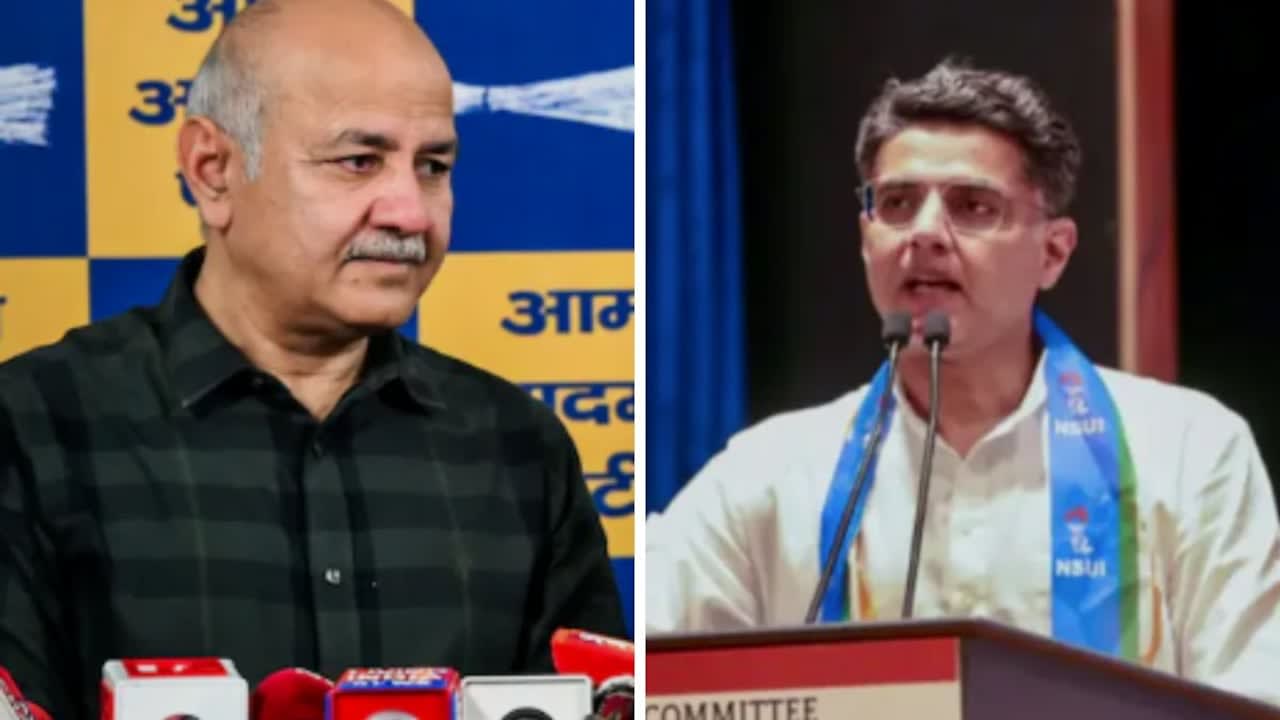
The Aam Aadmi Party (AAP) government in Punjab faces backlash from opposition parties over directives requiring the recording of Parent-Teacher Meetings (PTMs). Critics view this mandate as an intrusive measure that raises significant concerns regarding student privacy and administrative overreach.
The Controversy Surrounding Punjab's PTM Video Mandate
An Escalating Political Dispute
The political landscape in Punjab is currently witnessing a sharp divide following the Aam Aadmi Party (AAP) government's directive to record Parent-Teacher Meetings (PTMs) in state schools. This policy, intended by the administration to document and perhaps showcase educational engagement, has triggered a wave of criticism from opposition parties who view the move with deep suspicion.
Concerns Over Privacy and Surveillance
At the core of the opposition's argument is the fundamental issue of privacy. By mandating that these sensitive interactions between educators and families be captured on video, critics argue that the government is overstepping its boundaries. The presence of a camera during such meetings could inhibit open communication, potentially preventing parents from discussing sensitive issues related to their children's development or academic struggles out of fear that the footage could be misused or leaked.
Administrative Overreach or Accountability?
From the perspective of the AAP government, such measures are often framed as efforts to bring transparency and accountability to the state's public education system. However, the opposition remains unconvinced, labeling the move as performative governance. They contend that the state should focus on improving infrastructure and teaching quality rather than focusing on the optics of parent-teacher interactions, which are historically private affairs.
The Broader Implications for Governance
This standoff highlights a growing trend in regional politics where administrative decisions are increasingly scrutinized through a partisan lens. The dispute over video-recorded PTMs is not merely about school policy; it serves as a proxy for a larger debate on how the AAP manages state institutions. Opposition leaders are using this issue to question the government's priorities, suggesting that the focus on surveillance-style documentation distracts from the core mission of academic excellence.
Future Trends in Educational Policy
As this controversy unfolds, it underscores the tension between digital integration in public services and the right to privacy. If the government continues to push for such documentation, it may face legal challenges or intensified public pushback regarding data protection. Moving forward, the Punjab government will likely need to balance its desire for visible governance with the necessity of maintaining the trust of parents and educators, who are currently caught in the crossfire of this political battle.
Verification Required?